National Dish Greece: Glyka tou Koutaliou (Recipe)
In this article
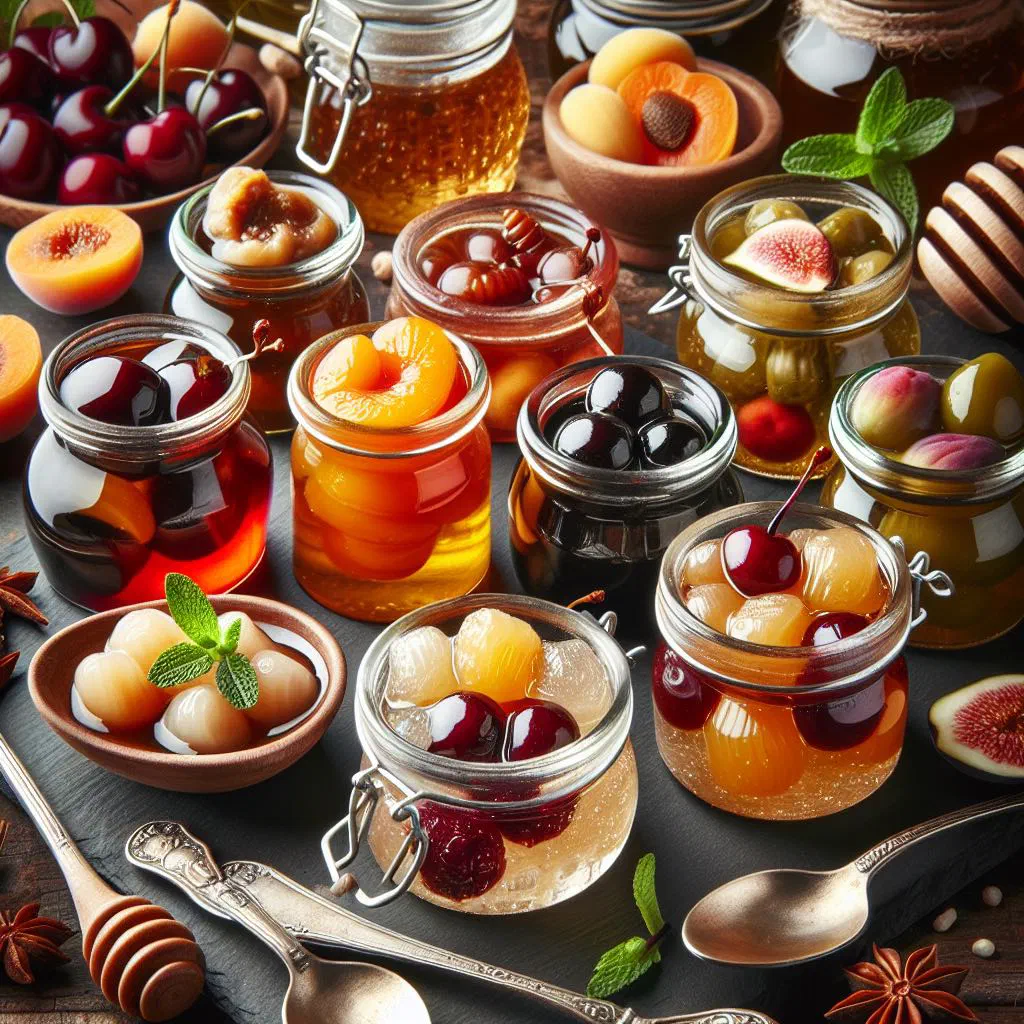
Discover Glyka tou Koutaliou, Greece’s beloved “spoon sweets”, glistening fruits and nuts gently preserved in fragrant syrup. More than a simple pudding, these little jewels are a time-honoured token of welcome, traditionally offered to guests the moment they step through the door. Each piece is made slowly and lovingly by hand, capturing the warmth of Greek hospitality in a single, sticky-sweet spoonful. Bring a taste of the Greek islands into your own kitchen with this charming, fuss-free treat.
About Glyka tou Koutaliou
Glyka tou Koutaliou is a traditional Greek confection that appeals to the senses while embodying the spirit of Greek hospitality. These luscious syrup-soaked fruits and nuts are a familiar fixture at celebrations across the country, where they are served as a gesture of warmth and welcome. Every batch is prepared lovingly by hand, reflecting the passion that runs through Greek cooking. In Greece they are far more than a popular dessert: offering them to a visitor is a heartfelt sign of appreciation and care.
Ingredients (serves 1–2)
- 2–3 small fruits (such as cherries, peaches or figs)
- 200 ml water
- 150 g sugar
- A squeeze of lemon juice
- Optional: nuts (such as walnuts or almonds)
Shopping for the ingredients
To make glyka tou koutaliou at its best, choose high-quality, fresh ingredients for the finest flavour. Look for fruit that is ripe but not overripe, as fruit past its peak can affect the texture of the finished sweets. Local markets and specialist food shops are often the best places to find fresh produce. If you would like to add nuts, pick unsalted varieties so they sit harmoniously alongside the syrupy fruit.
Preparing the dish
Before you start making glyka tou koutaliou, it pays to get all your ingredients ready. Wash and stone the fruit so it is fully prepared for the syrup. If you are using nuts, chop them roughly so they pair nicely with the fruit. A little groundwork like this keeps the cooking process smooth and efficient, letting you work at a relaxed, steady pace.
Step-by-step instructions
- Bring the water to the boil in a pan and stir in the sugar until it has fully dissolved.
- Add the prepared fruit to the syrup and let it simmer gently for around 10–15 minutes.
- Add a squeeze of lemon juice and stir carefully.
- If you like, stir in the chopped nuts during the final few minutes of cooking.
- Take the mixture off the heat and leave it to cool, then spoon the fruit and syrup into a sterilised jar.
Gluten-free / lactose-free version
This recipe for glyka tou koutaliou is naturally gluten-free and lactose-free, since it is made mainly from fruit and sugar. That makes it an ideal sweet treat for anyone with these intolerances. Just be sure that any nuts you use are also gluten-free to avoid cross-contamination. That way every guest can enjoy the dessert without having to worry about their diet.
Tips for vegans and vegetarians
For vegans and vegetarians, glyka tou koutaliou is a perfect choice, as it contains no animal products at all. To make sure everything meets your dietary needs, opt for organically grown fruit and unsweetened nuts. This not only improves the flavour but brings added health benefits too. Enjoy this sweet indulgence safe in the knowledge that you are treating yourself to a wholesome snack.
More tips and tricks
To make glyka tou koutaliou even more special, try experimenting with different fruits or nuts. Citrus fruits or berries lend a brighter, fruitier note. Keep an eye on the cooking so you reach the perfect syrup consistency: if it turns too thick, simply add a splash of water to loosen it. A patient, watchful approach is the key to a beautifully glossy result.
Adapting the recipe to your taste
Everyone has different preferences when it comes to glyka tou koutaliou. Feel free to adjust the amount of sugar to make it sweeter or less sweet to suit you. You can also use alternative sweeteners such as honey or agave syrup if you fancy a different flavour. The recipe is wonderfully flexible and positively invites you to get creative.
Ingredient substitutions
If you have no cherries or figs to hand, almost any other fruit will do for glyka tou koutaliou. Tropical fruits such as pineapple or mango make an interesting variation and lend the dish an exotic flair, much like the warm, sweet notes you’ll find in Karydopita. Just remember to adjust the sugar, as some fruits are naturally sweeter than others, so the treat stays balanced whatever you choose.
Drink pairing ideas
A whole range of drinks pairs beautifully with glyka tou koutaliou and rounds out the experience. An aromatic Greek coffee is an excellent choice, balancing the sweetness of the confection perfectly. Alternatively, serve a herbal tea to highlight the freshness of the fruit. Pairings like these turn a simple dessert into something truly memorable.
Serving and presentation ideas
Presentation plays a big part in enjoying glyka tou koutaliou. Serve the sweet pieces in small dishes, perhaps as part of a larger dessert platter. Decorate with fresh mint leaves or edible flowers for an extra splash of colour. A thoughtful presentation makes the dessert as lovely to look at as it is to eat.
A bit of history
Glyka tou koutaliou has a long tradition in Greek culture. Originally these syrup preserves were served as a form of hospitality, especially in rural areas. The sweets were offered as a mark of appreciation for visitors and as part of special occasions. This enduring custom makes the confection a culinary pleasure and a living piece of Greek cuisine and its history.
More recipe ideas
Summary: Glyka tou Koutaliou
Glyka tou Koutaliou is far more than a simple dessert; it is a culinary experience that captures the heart of Greek culture. With its many variations and easy-going adaptability, it suits anyone who loves the sweeter side of life. This confection is sure to win you over. Give it a try and let the flavours of Greece work their magic.