National Dish Greece: Greek Salad with Feta (Recipe)
In this article
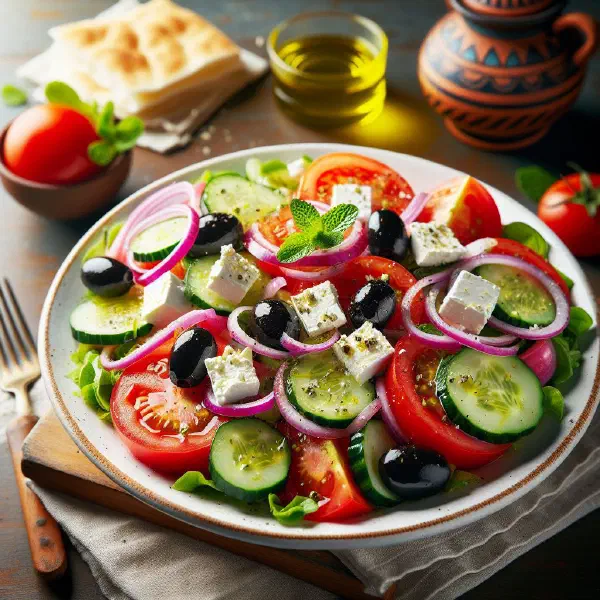
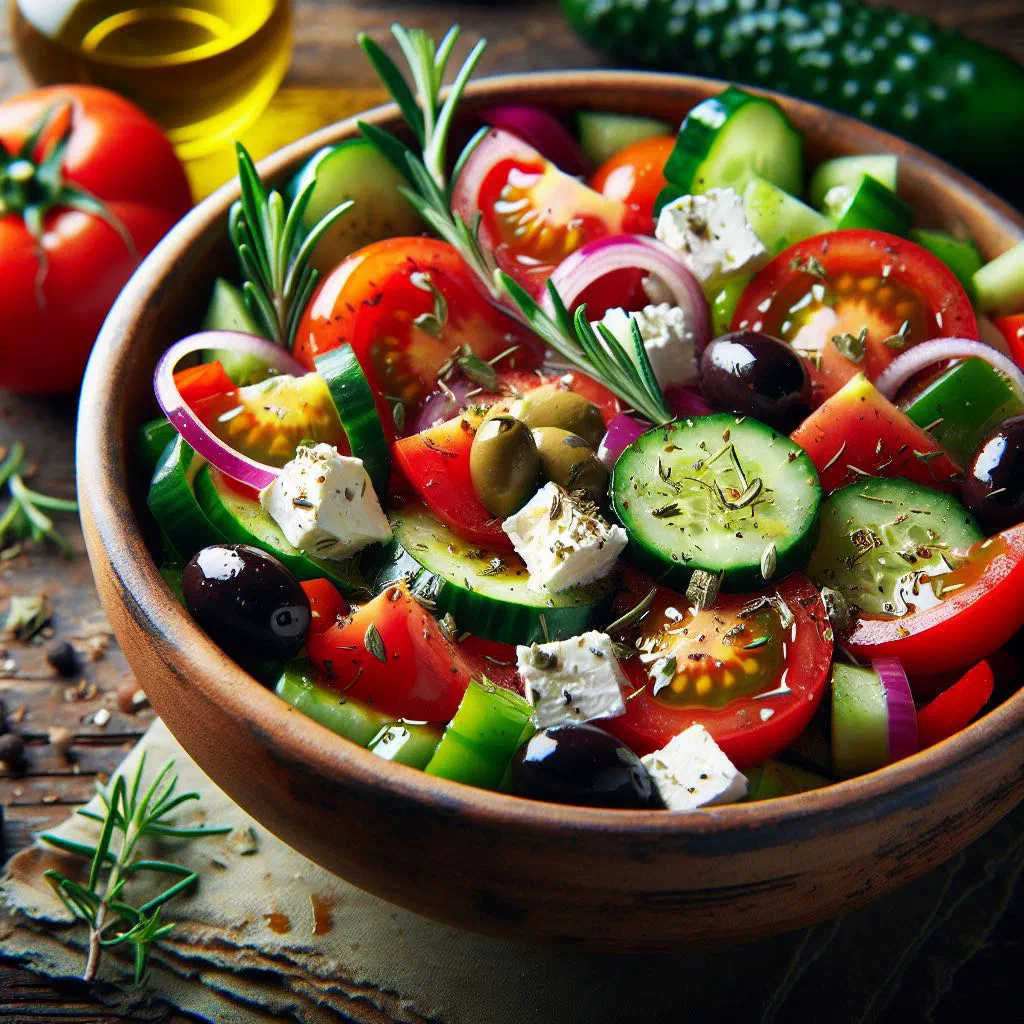
Few dishes capture the spirit of a Greek summer quite like a Greek salad with feta. Ripe tomatoes, crisp cucumber and crumbly cheese come together with briny olives and a generous drizzle of olive oil for a plate that is as much a feast for the eyes as for the palate. A whisper of lemon and a scattering of oregano lift every mouthful, making this a refreshing, sun-soaked classic that belongs on the table all season long.
About Greek Salad with Feta
A Greek salad is a celebration of fresh, simple ingredients at their best. The combination of feta, olives and crunchy vegetables creates a bright, refreshing flavour that is especially welcome during the warmer months. The dish is quick and easy to put together and delivers a wealth of important nutrients. A Greek salad fits beautifully into all manner of occasions, much like the rustic, vegetable-forward dishes of Greek cuisine.
Ingredients (serves 1–2)
- 2 large tomatoes
- 1 small cucumber
- 1 pepper (red or green)
- 100 g feta cheese
- 50 g Kalamata olives
- 1 small red onion
- 3 tablespoons olive oil
- 1 tablespoon red wine vinegar
- Oregano, salt and pepper to taste
Shopping for the ingredients
When shopping for the ingredients for a Greek salad, it pays to pay close attention to quality. Fresh vegetables make all the difference to the flavour, so it is well worth seeking out your produce at a farmers’ market or a good greengrocer. Look for ripe tomatoes and a firm, crisp cucumber. The feta should be fresh too, ideally made from sheep’s milk for the most authentic taste.
Preparing the dish
Preparing a Greek salad could hardly be simpler and takes only a few steps. Begin by washing the vegetables thoroughly before cutting them into bite-sized pieces. The feta is cubed while the olives are left whole. A little red onion lends the salad a pleasant sharpness, which is balanced out by the olive oil and the vinegar.
Step-by-step instructions
- Wash and chop the tomatoes, cucumber and pepper into small pieces.
- Peel the red onion and slice it into fine rings.
- Tip the chopped vegetables into a large bowl.
- Add the Kalamata olives and the cubed feta.
- In a separate bowl, whisk together the olive oil, vinegar, oregano, salt and pepper until well combined.
- Pour the dressing over the salad and toss gently.
- Arrange the salad on plates and serve.
Gluten-free / lactose-free version
A Greek salad is naturally gluten-free and can be made lactose-free with ease. If you are lactose intolerant, simply swap the feta for a plant-based alternative with a similar tangy bite. That way the flavour stays intact without any unwanted upset. Enjoy the salad with complete peace of mind.
Tips for vegans and vegetarians
For vegans, the Greek salad adapts effortlessly: leave out the feta altogether or replace it with a vegan cheese. You can also add nuts or chickpeas for an extra hit of protein, and the salad stays just as fresh and tasty. Vegetarians can prepare it in the traditional way, apart from the feta, it contains no animal products at all.
More tips and tricks
To give your Greek salad even more flavour, try adding a squeeze of freshly pressed lemon juice. Marinating the onions in a little vinegar before assembling the salad can also round things out nicely. If you fancy more texture, scatter over some toasted pine nuts or sunflower seeds. Small details like these make a big difference.
Adapting the recipe to your taste
The Greek salad is remarkably versatile and easy to tailor to your own preferences. Add grilled vegetables, avocado or even quinoa, for example, to make it more substantial. Fresh herbs such as basil or parsley can introduce a lively new note too. Experimenting is half the fun and opens up endless possibilities, just as the herb-laden Spanakorizo invites a personal touch.
Ingredient substitutions
If you find yourself without certain ingredients, or you simply don’t care for them, there are plenty of alternatives. In place of feta you might use mozzarella, or leave out the cheese entirely. The olives can be swapped for sun-dried tomatoes if olives aren’t to your liking. Every experiment can throw up new and surprisingly good results, in the same generous spirit as a meze board of Tsipouro Meze.
Drink pairing ideas
Plenty of drinks pair beautifully with a fresh Greek salad. A cool glass of white wine, such as a Greek Assyrtiko, harmonises perfectly with the flavours. For an alcohol-free option, a refreshing mint lemonade or a tangy iced tea works wonderfully. These pairings draw out the salad’s flavours all the more.
Serving and presentation ideas
Presentation plays a big part in how we experience flavour. Serve the salad in a colourful bowl or on a large wooden board to show off the bright vegetables. Edible flowers can be used as a garnish to give the dish extra visual appeal. Take care to distribute the ingredients evenly so the eye eats first, just as it does with a vivid Tomato Salad with Feta.
A bit of history
The Greek salad has a long tradition in Mediterranean cooking and is considered a cornerstone of Greek food culture. It hails from the land of Hellas and has long been prized as a simple yet nourishing dish. Originally the ingredients were local produce that was quick to find and easy to prepare. Today it is known the world over and served in countless variations, alongside other regional staples such as the creamy Tzatziki with Mint.
More recipe ideas
Summary: Greek Salad with Feta
A fresh Greek salad is delicious and healthy and wonderfully versatile. With crisp vegetables, aromatic feta and briny olives, it offers a flavour experience that simply melts on the tongue. It works equally well as a snack to enjoy between meals, as a side, or as a main course for any occasion. Its many variations and easy adaptations make it an ideal dish for absolutely everyone.