National Dish Greece: Halva (Recipe)
In this article
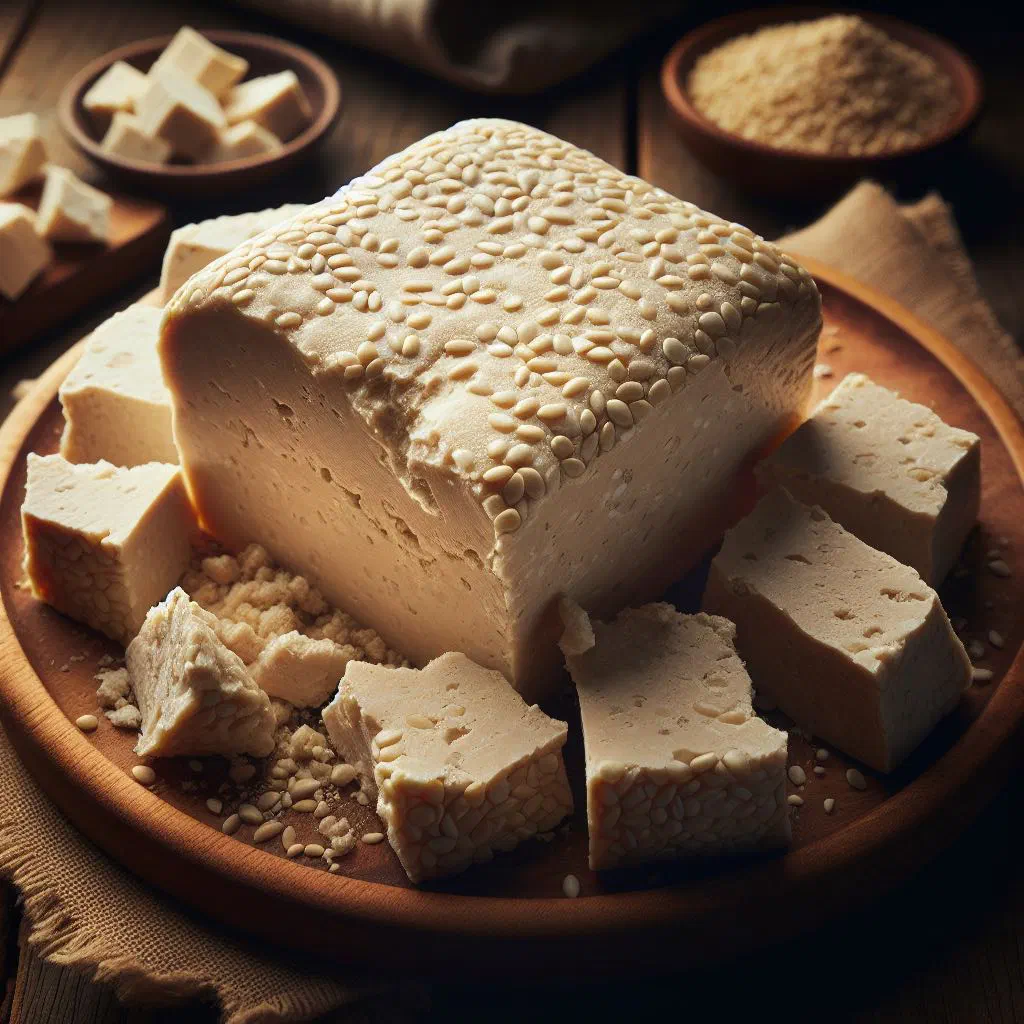
Meet Halva, one of Greece’s most cherished sweet treats. This humble yet very good dessert turns a handful of pantry staples, semolina, sugar and oil, into something rich, comforting and utterly moreish. Soft or crisp, fragrant with vanilla and studded with nuts or dried fruit, it has won hearts well beyond Greek shores. It carries a slice of Greek tradition straight into your kitchen.
About Halva
Greek Halva is a wonderfully delicious sweet that appeals to with its flavour while remaining genuinely simple to make. This traditional dessert is built around semolina and a range of different flavourings, and it is enjoyed far beyond the borders of Greece. Halva can be either crisp or soft, and it is often enriched with nuts, honey or dried fruit. It is a lovely way to treat yourself, or anyone else, to a moment of sweetness, much like the spoonful of indulgence you find in Rizogalo.
Ingredients (serves 1–2)
- 150 g semolina
- 100 g sugar
- 500 ml water
- 50 ml vegetable oil
- 1 tsp vanilla extract
- Nuts or dried fruit (to taste)
Shopping for the ingredients
The ingredients for Greek halva are easy to find in most supermarkets or online. Try to choose good-quality products, especially when it comes to the semolina and the oil, as they form the backbone of the dish. If you plan to add nuts or dried fruit, you can pick these up fresh in the fruit and vegetable aisle. A quick visit to a Greek or Turkish grocery is also well worth it, as these shops often stock special ingredients you won’t find elsewhere.
Preparing the dish
Before you start cooking, it is important to have all of your ingredients ready to hand. Measuring and weighing everything first is the surest way to give the halva the right consistency. Clear your work surface and make sure you have all the necessary equipment, such as pans, a wooden spoon and a baking tin, within easy reach.
Step-by-step instructions
- Bring the water to the boil in a pan and add the sugar. Stir well until the sugar has fully dissolved.
- In a separate pan, heat the vegetable oil and add the semolina. Stir the semolina for around 5 minutes until it turns golden brown.
- Slowly pour the sugar syrup into the semolina, stirring vigorously to avoid any lumps.
- Keep stirring until the mixture reaches a thick consistency, then add the vanilla extract.
- Fold in the optional nuts or dried fruit and tip the mixture into a greased baking tin.
- Leave the halva to cool, then cut it into pieces and serve.
Gluten-free / lactose-free version
Greek halva is easy to prepare gluten-free simply by using gluten-free semolina in place of the standard kind. For a lactose-free version, take care to use vegetable oils and avoid any dairy products altogether. Halva is naturally a vegan sweet, which makes it ideal for anyone with a dairy intolerance. With the right ingredients you can enjoy this sweet speciality without having to worry about allergens.
Tips for vegans and vegetarians
For vegans, Greek halva is a perfect dessert, as it contains no animal products at all. You can adapt the recipe with ease by making sure every ingredient you use is genuinely vegan. If you would like to give your halva an extra nutritional boost, stir in some chia seeds or flaxseeds. This adds more goodness and lends an interesting texture to the finished sweet.
More tips and tricks
To get the best possible result, constant stirring throughout the cooking is essential. It stops the halva from catching or forming lumps as it thickens. If you fancy varying the recipe, experiment with different flavourings such as cinnamon or cardamom. These spices bring extra depth and warmth to your halva, the same aromatic touch that makes a Karydopita so memorable.
Adapting the recipe to your taste
The recipe for Greek halva is versatile and easily tailored to personal preference. You might reduce the amount of sugar, for example, to make it a little less sweet. You could also swap the water for fruit juice to give your halva a fruity note. Let your creativity run free and adjust the recipe so it suits you best, much as you might tweak a slice of Galatopita to your own liking.
Ingredient substitutions
If you don’t have semolina to hand, you can use almond flour or coarse wheat flour to achieve a similar texture. The sugar can be replaced with honey or agave syrup for a slightly healthier version. The vegetable oil, too, can be substituted with coconut oil, which lends the dish an exotic note. Play around with the ingredients to create the perfect halva for your own taste.
Drink pairing ideas
A number of drinks pair beautifully with Greek halva and complement its sweet flavours. A classic Greek coffee is an excellent choice, as the bitterness of the coffee offers a lovely contrast to the sweetness of the dessert. Alternatively, you could serve a Greek tea with lemon for a refreshing balance. Cold water or a fresh fruit juice also make good companions that round off the experience.
Serving and presentation ideas
To present your halva attractively, cut it into even pieces and arrange them on a decorative plate. You can garnish the pieces with toasted nuts or fresh mint leaves for a fresh, appealing look. A pretty napkin and a glass of sweetened coffee add a touch of elegance to the presentation. Remember that thoughtful plating can lift the whole dining experience.
A bit of history
Halva has a long and fascinating history that reaches back to antiquity. Originally widespread in the Arab world, it spread quickly across the Mediterranean and far beyond. Each country has developed its own version and story, which is part of what makes halva so special. In Greece it is often served at festive occasions or as a dessert, and it is deeply rooted in the country’s culinary culture, a tradition shared across all of Greek cuisine.
More recipe ideas
Summary: Halva
Greek halva is a simple and tasty sweet that lends itself wonderfully to variation. With just a few ingredients you can conjure up a delicious dessert that appeals to both traditional and more modern palates. The adaptability of the recipe means you can shape it entirely to your own preferences. Give this halva recipe a try and savour the flavours of Greece.