National Dish Greece: Hilopites Kritharaki (Recipe)
In this article
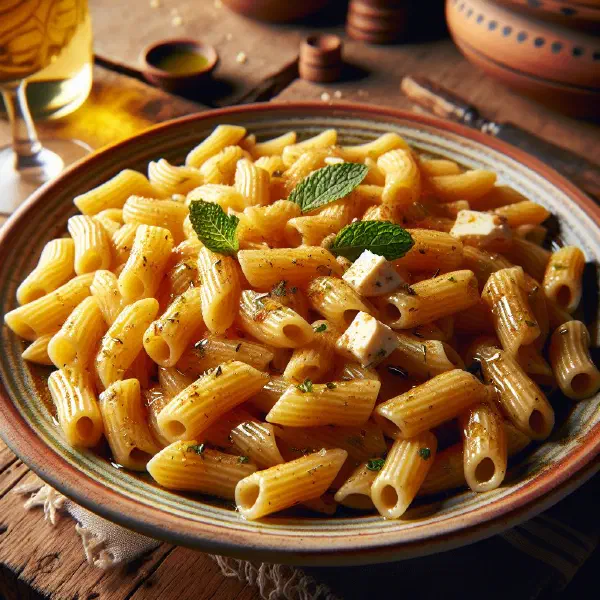
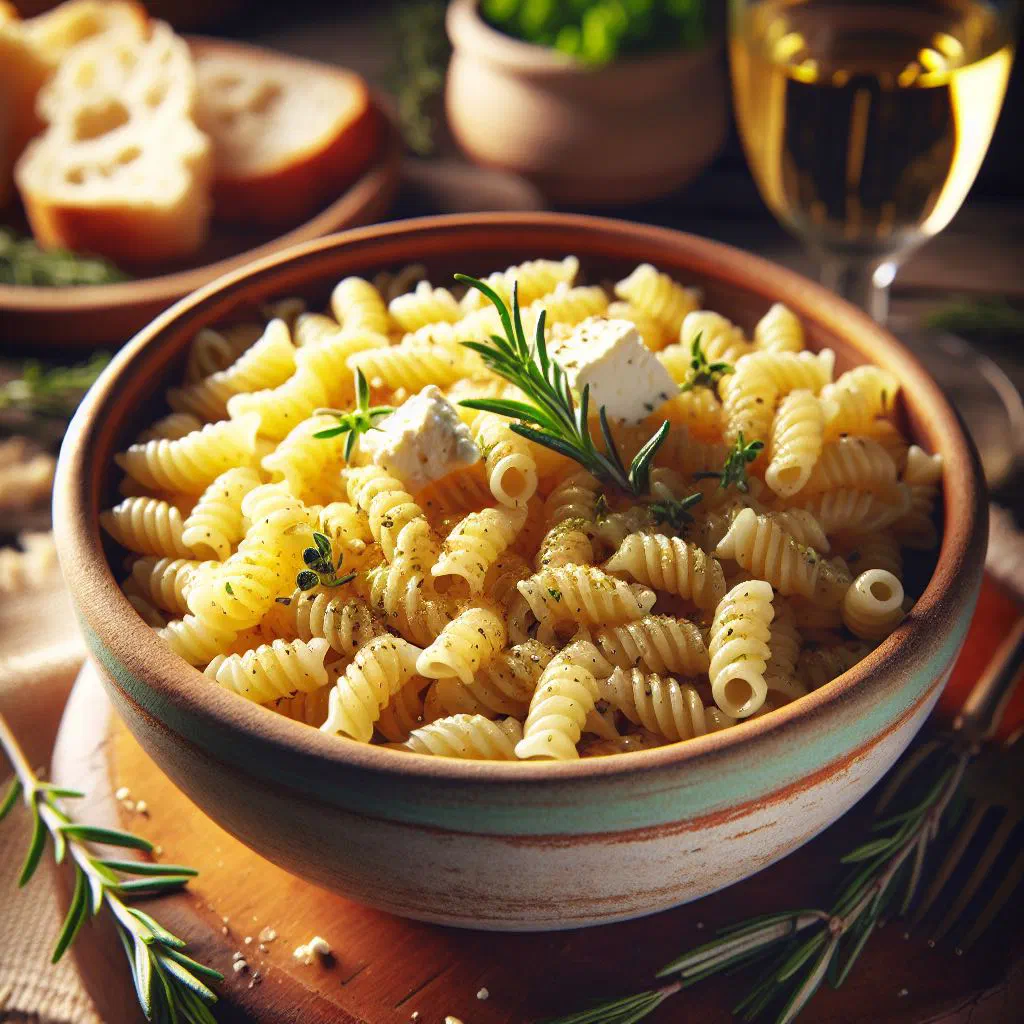
Say hello to Hilopites Kritharaki, a comforting Greek pasta dish that turns a handful of simple pantry staples into something genuinely special. Tender egg noodles meet little rice-shaped orzo, simmered with sweet onion and pepper and finished with a generous scattering of salty feta. It is the kind of unfussy, sun-warmed cooking that defines the Greek table, and it brings the easy generosity of the Mediterranean straight to your own kitchen.
About Hilopites Kritharaki
Hilopites Kritharaki is a traditional Greek pasta dish, celebrated for its distinctive flavour and its wonderfully adaptable preparation. It brings together delicate, handmade hilopites noodles with the small, rice-shaped kritharaki (better known elsewhere as orzo). The dish is delicious and reflects the rich food culture of Greece. It lends itself beautifully to all manner of fresh ingredients and seasonings, which makes it an ideal choice for any main course.
Ingredients (serves 1–2)
- 200 g hilopites
- 100 g kritharaki (orzo)
- 1 onion, finely chopped
- 1 pepper, diced
- 150 g feta cheese, crumbled
- 2 tablespoons olive oil
- 1 teaspoon oregano
- Salt and pepper, to taste
Shopping for the ingredients
If you want to make hilopites kritharaki, it is important to choose the right ingredients. Hilopites are often found in Greek or Mediterranean grocery shops, where they are usually sold either fresh or dried. Kritharaki is widely stocked in the pasta aisle of most supermarkets, available in both the regular and the wholemeal version. Look out for high-quality, fresh ingredients to get the very best flavour from the finished dish.
Preparing the dish
Preparing hilopites kritharaki is quick and straightforward. Begin by getting the vegetables ready, finely chopping the onion and the pepper. This ensures the vegetables cook through evenly. You should also crumble the feta cheese and set it aside, ready to be stirred in gently towards the end.
Step-by-step instructions
- Heat the olive oil in a large pan and sauté the onion until translucent.
- Add the diced pepper and cook for a further 3–4 minutes, until softened.
- Tip in the hilopites and kritharaki and stir well to combine everything.
- Pour in 150 ml of water and bring to the boil. Lower to a medium heat and simmer for 10 minutes, stirring occasionally.
- Add the crumbled feta, oregano, salt and pepper, and stir until the cheese has melted slightly.
- Serve warm, garnished with fresh herbs to taste.
Gluten-free / lactose-free version
For a gluten-free version you can use gluten-free hilopites or special rice noodles. Always check the packet to make sure they are certified gluten-free. For a lactose-free variation, swap the feta cheese for a lactose-free cheese, or use hummus as a creamy component instead. This way, even those with particular dietary needs can enjoy the dish to the full.
Tips for vegans and vegetarians
Hilopites kritharaki is easy to adapt for both vegan and vegetarian eating. For a vegan version, replace the feta with plant-based alternatives such as vegan cheese or a nut-based feta. These bring a creamy texture and extra flavour without any animal products. Vegetarians, of course, can simply keep the traditional feta to enrich the dish even further. The same flexible spirit runs through dishes like Spanakorizo.
More tips and tricks
One of the best ways to deepen the flavour of hilopites kritharaki is to experiment with seasonings. Try adding your spices before sautéing the vegetables, so they have time to release their full aroma. The dish is also excellent for using up leftovers. Perfect if you have other vegetables in the fridge that need finishing.
Adapting the recipe to your taste
The real beauty of hilopites kritharaki lies in its versatility. You can adjust the recipe to suit your own preferences, whether by choosing different vegetables or adding a source of protein such as chicken or prawns. For a spicier note, throw in some chilli or extra pepper, while roasted tomatoes or courgette make for a gentler, sweeter version. Above all, it matters that you shape the dish to your own taste, much as you would with a hearty Makaronada.
Ingredient substitutions
If you do not have certain ingredients to hand, there are plenty of alternatives to fall back on. Instead of hilopites, ordinary spaghetti or farfalle make an appealing option. You can also replace the feta with quark or another cheese if feta is not to your liking. Experiment with different combinations to discover a new favourite version of your own.
Drink pairing ideas
Hilopites kritharaki goes beautifully with a Greek wine, especially a fresh, crisp white such as Assyrtiko or a light red. For a non-alcoholic option, offer a refreshing sparkling water or a herbal tea. A glass of Tsipouro Meze also makes for a wonderfully convivial start to the evening.
Serving and presentation ideas
The presentation of hilopites kritharaki can lift the whole dining experience. Serve the dish in an attractive, deep bowl and garnish it with fresh herbs such as parsley or basil. A squeeze of fresh lemon adds an extra touch of brightness. Use handsome plates and a few candles to create an inviting atmosphere, especially for a special dinner. A simple side of Tzatziki with Mint completes the spread.
A bit of history
Both hilopites and kritharaki have their origins in traditional Greek cuisine, strongly shaped by the country’s many regions and their local ingredients. The pairing of pasta and vegetables is a much-loved concept across the Mediterranean, and a testament to the simplicity and freshness of the produce. Historically, the dish reflects the Greek way of life, built around community, pleasure and good-quality food. It shows just how deeply rooted the pasta tradition is in everyday Greek life.
More recipe ideas
Summary: Hilopites Kritharaki
Hilopites kritharaki is a delicious and versatile dish that showcases the flavours of Greece. With fresh ingredients and a simple method, you can enjoy this traditional dish as either a main course or a side. With vegetables or in a vegan version, hilopites kritharaki adapts effortlessly to suit you. Let the Mediterranean way of life inspire you and give it a try for yourself.