National Dish Greece: Kataifi (Recipe)
In this article
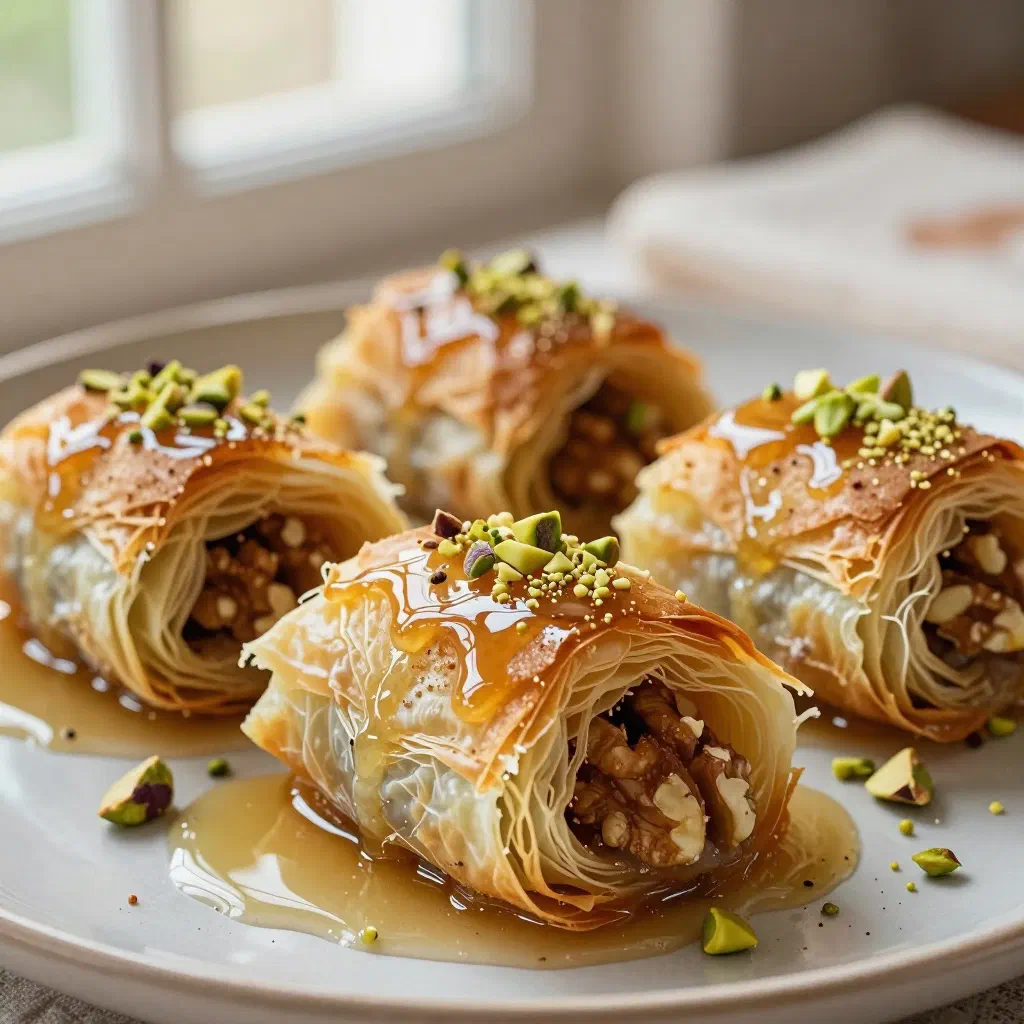
Treat yourself to Kataifi, one of Greece’s most enchanting sweets. Fine, crisp strands of shredded pastry are wrapped snugly around a fragrant filling of nuts and cinnamon, then drenched in a glossy, aromatic syrup. The contrast between the crunchy pastry and its sweet, sticky coating makes for a dessert that feels both indulgent and elegant. Kataifi brings a little of Greece’s confectionery magic straight to your table.
About Kataifi
Kataifi is far more than a delicious dessert. This classic Greek sweet is built from delicate, crisp pastry strands that are rolled tightly around an aromatic filling of nuts and cinnamon. The interplay of the crunchy pastry and the sweet, syrupy coating creates a flavour experience all its own. Kataifi is the perfect choice for celebrations and gatherings, yet it is equally rewarding made simply for the joy of a homemade treat.
Ingredients (serves 1–2)
- 200 g kataifi pastry
- 100 g ground nuts (such as walnuts or almonds)
- 50 g sugar
- 1 tsp cinnamon
- 100 g butter, melted
- 250 ml water
- 200 g sugar, for the syrup
- 1 tsp vanilla extract
Shopping for the ingredients
To make kataifi, it is best to gather your ingredients from a Mediterranean or Middle Eastern grocery, or to order them online. The kataifi pastry in particular is usually only stocked by specialist shops, while the rest, nuts and spices, can be found in most supermarkets. Be sure to choose a good-quality butter, as it has a real influence on the final flavour of the dish. Fresh ingredients also make for a better texture and a brighter taste.
Preparing the dish
Before you begin shaping the kataifi, it pays to get everything ready first. Mix the nuts together with the cinnamon and sugar to create the aromatic filling. The kataifi pastry needs to be teased apart gently, taking care not to damage the fine strands. A clean, tidy work surface is important, helping you keep an organised, unhurried pace throughout the preparation.
Step-by-step instructions
- Preheat the oven to 180 °C and grease a baking dish.
- Mix the nuts thoroughly with the sugar and cinnamon.
- Spread the kataifi pastry out on a clean surface and brush the strands with melted butter.
- Place a small amount of the nut filling onto the pastry strands and roll them up.
- Arrange the little rolls or spirals in the baking dish.
- Bake in the preheated oven until golden brown (about 30–40 minutes).
- For the syrup, bring the water, sugar and vanilla to the boil and let it simmer for a few minutes.
- Pour the hot syrup over the hot kataifi rolls and leave to cool.
Gluten-free / lactose-free version
To make kataifi gluten-free, you can use a gluten-free pastry alternative, necessary because traditional kataifi pastry is usually made from wheat flour. For a lactose-free version, swap the butter for plant-based oil or a lactose-free butter. Naturally, take care to use lactose-free products throughout the entire preparation so that everyone can enjoy a slice.
Tips for vegans and vegetarians
For a vegan version of kataifi, replace the butter with plant-based margarine or coconut oil. The syrup can also be sweetened with agave syrup or other plant-based sweeteners instead of sugar. The filling lends itself to variation too. Try folding in dried fruit or even a little chocolate. That way the dish stays just as appealing while meeting the needs of a vegan diet, much like the plant-friendly approach of Spanakorizo.
More tips and tricks
One key tip when making kataifi is to have all your ingredients fully prepared before you start rolling. This keeps the process running smoothly and helps you achieve the best possible result. Always pour the syrup over the rolls while both are still hot, which is the secret to a perfect, even consistency. Another idea is to scatter a few extra chopped nuts over the kataifi straight after baking for an added burst of crunch.
Adapting the recipe to your taste
If nuts are hard to come by in your area, or you have a nut allergy, you can use seeds such as sunflower or pumpkin seeds instead. This gives the dessert a fresh new character while keeping it nut-free. For the syrup, alternative sweeteners such as honey or fresh fruit juice can be used to reduce the sugar content. A splash of maple syrup can also be an intriguing twist on the classic flavour, in the same way honey transforms a Karydopita.
Ingredient substitutions
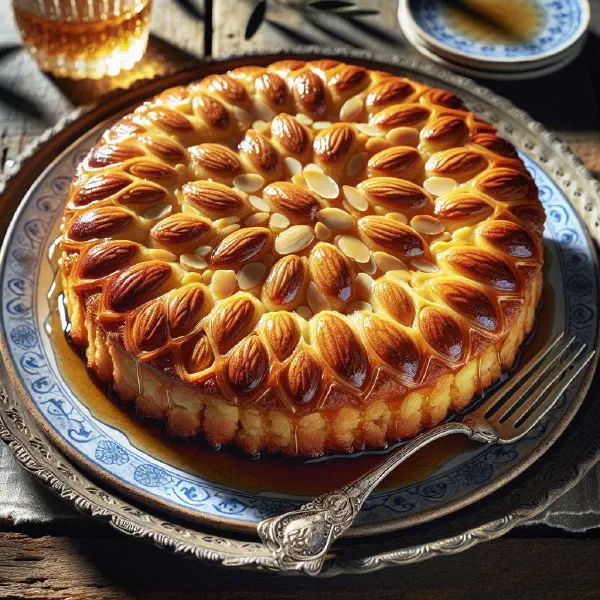
There is plenty of room to adapt the components of kataifi to what you have on hand. If nuts are in short supply, seeds make a reliable and allergy-friendly stand-in, and the same goes for the syrup, where honey or fruit juice can step in for some of the sugar. These small swaps let you tailor the dessert to the season or to your own preferences without losing its essential character. The almond-rich charm of Amygdalopita shows just how flexible Greek baking can be.
Drink pairing ideas
Kataifi pairs especially well with Greek drinks such as retsina or ouzo, whose traditional character beautifully complements the dessert’s sweetness. Alternatively, a strong coffee or a fragrant Greek tea offers a lovely contrast to its sugary notes. A glass of cold water with a slice of lemon is wonderfully refreshing too, balancing the richness of this generous sweet.
Serving and presentation ideas
To present kataifi at its best, arrange the rolls on a handsome dessert plate. A few fresh mint leaves and a dusting of icing sugar lend an elegant finishing touch. Serving the kataifi with a small bowl of syrup for dipping can be very appealing as well. A little decorative paper liner beneath the plate adds colour and depth to the overall presentation.
A bit of history
Kataifi has its roots in Ottoman cuisine and is prepared with its own local variations across many countries. It is often served for festive occasions such as weddings, holidays and other celebrations. While the pastry originally came from Turkey, it became firmly established within Greek culture and is now a much-loved dessert throughout Greece. The story of kataifi is therefore a rich and varied one, part of the broader tapestry of Greek cuisine, which makes the sweet all the more fascinating.
More recipe ideas
Summary: Kataifi
Kataifi is a wonderful showcase of Greek confectionery. With its crisp pastry and sweet nut filling, it offers a combination of textures and aromas that appeals to every palate. Thanks to its many possible adaptations, both vegans and those with special dietary needs can enjoy this delicious dessert. Give kataifi a try and discover a little piece of Greek culture in your own kitchen.