National Dish Greece: Kleftiko (Recipe)
In this article
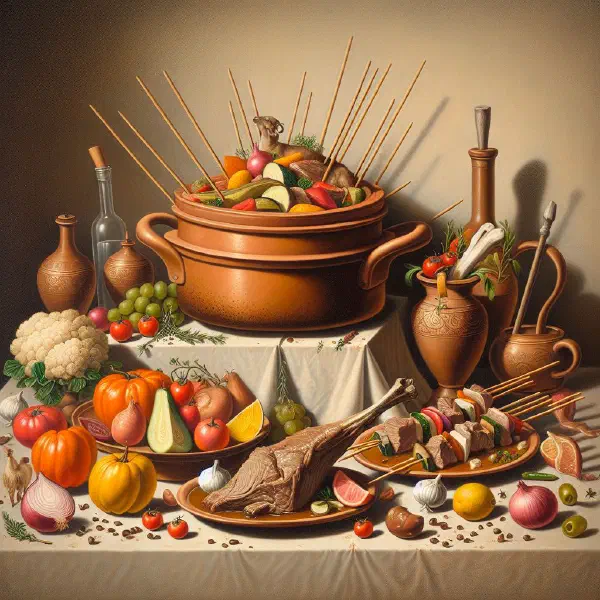
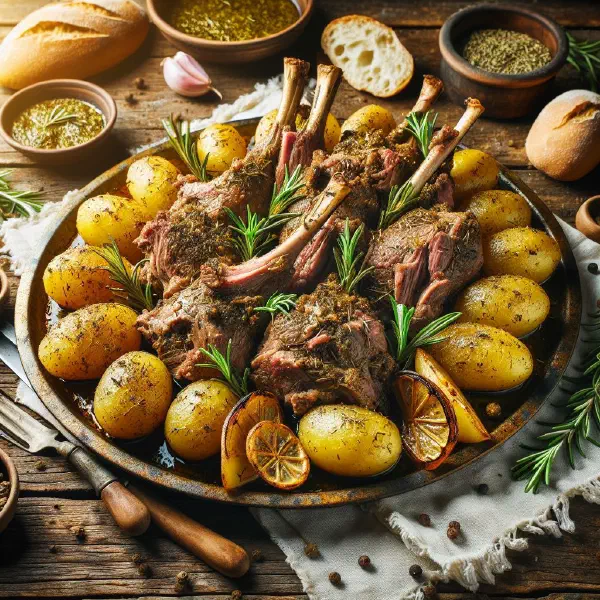
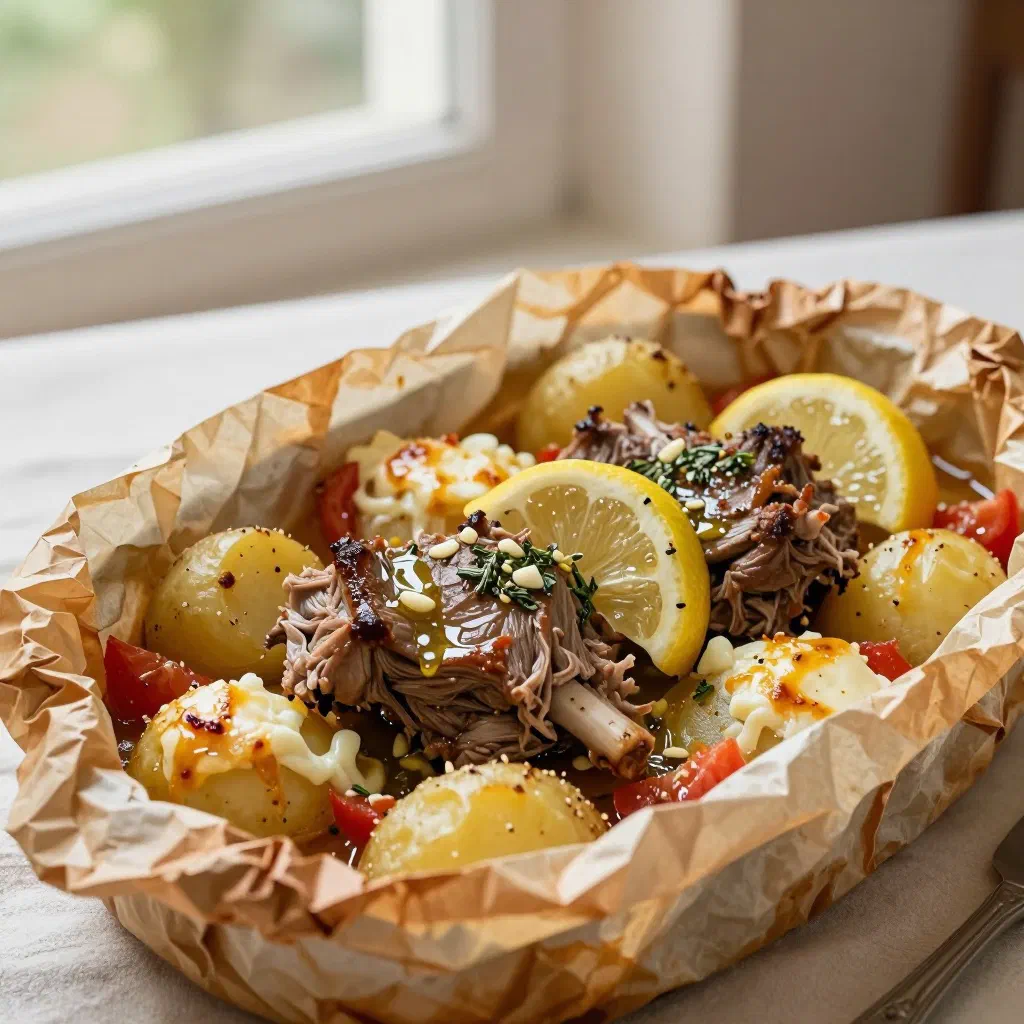
Discover Kleftiko, the slow-roasted lamb dish that captures the rugged, warm-hearted spirit of Greece. Tender meat is sealed in parchment with garlic, lemon and fragrant herbs, then left to bake gently until it falls apart at the touch of a fork. The name means “the thief’s meal”, a nod to the rebels who once cooked it in secret on the mountainside. Bring that rustic Mediterranean magic to your own oven and let the aromas of rosemary and olive oil fill your kitchen.
About Kleftiko
Kleftiko is far more than just a dish. It is a piece of Greek culture, born of hard, generous hospitality. The name Kleftiko means “the thief’s meal”, a dish once cooked in hidden places by rebellious freedom fighters. Today it is celebrated as a national dish, prized above all for its tender, aromatic flavour and its wonderfully simple preparation. Lamb is the heart of the recipe, slow-cooked with vegetables and herbs until everything is meltingly soft and steeped in the bright flavours of lemon and the warm Mediterranean kitchen.
Ingredients (serves 1–2)
- 500g leg of lamb, cut into large pieces
- 4 cloves of garlic, unpeeled and lightly crushed
- 2 large potatoes, cut into quarters
- 1 red pepper, cut into strips
- 2 tomatoes, quartered
- 1 onion, roughly chopped
- 100ml dry white wine
- 2 tablespoons olive oil
- 1 lemon — juice and zest
- 2 bay leaves
- 1 sprig of fresh rosemary
- Salt and freshly ground pepper
- A little feta
Shopping for the ingredients
When buying the lamb, look for fresh, good-quality cuts of meat, as the quality of the lamb is crucial to the flavour of the kleftiko. Choose organic vegetables and fresh herbs wherever you can for a truly authentic aroma. A good piece of feta rounds out the shopping list, much as it does in a classic Tomato Salad with Feta. Most of these ingredients are easy to find at a regular market or supermarket.
Preparing the dish
Get everything ready before you start cooking by chopping the vegetables and cutting the meat into chunks. Allow the lamb to come up to room temperature so that it cooks through evenly. A little preparation here makes all the difference, ensuring the meat and vegetables roast together at the same pace and the dish comes out perfectly tender.
Step-by-step instructions
- Preheat the oven to 160°C.
- In a large bowl, combine the meat thoroughly with salt, pepper, olive oil, lemon juice and zest, and the herbs.
- Add the vegetables and mix everything together well.
- Spread the meat-and-vegetable mixture onto a large piece of parchment, pour over the white wine, and seal the parchment tightly around the ingredients to form a parcel.
- Place the parcel on a baking tray and cook in the oven for about 2 to 2.5 hours.
- Once cooked, carefully open the parcel and return it to the oven for a further 10–15 minutes, until the surface is lightly browned.
Gluten-free / lactose-free version
Kleftiko is naturally gluten-free, as the dish relies on meat, vegetables and herbs rather than any flour or bread. For a lactose-free version, simply leave out the feta or use a plant-based alternative instead. That way the dish suits guests with a gluten or lactose intolerance without sacrificing any of its rich, savoury character.
Tips for vegans and vegetarians
If you would rather skip the meat, kleftiko adapts beautifully into a vegetarian dish. Leave out the lamb and add more vegetables, perhaps some chickpeas, to keep it hearty and satisfying. For a fully vegan version, omit the feta or swap it for a plant-based cheese. The same herbs, lemon and olive oil that flavour the original will keep the dish bright and full of character.
More tips and tricks
Take care not to let the kleftiko dry out, the parchment-parcel method helps to trap the moisture and keep the meat juicy. Check the cooking time now and then, as every oven behaves a little differently. The long, gentle bake is what gives the lamb its signature tenderness, so resist the urge to rush it at a higher temperature.
Adapting the recipe to your taste
Kleftiko is wonderfully flexible and easy to make your own. If lamb is not to your liking, you can use beef or goat instead, both of which take well to slow cooking. Adjust the herbs and lemon to suit your palate, and feel free to vary the vegetables in the parcel. This way you can shape the dish exactly to your own taste.
Ingredient substitutions
If certain ingredients are not to hand, there are easy alternatives. You can use a little vegetable stock in place of the white wine, and if you cannot find fresh rosemary, dried rosemary works just as well. Goat or beef can stand in for the lamb, and other root vegetables can join or replace the potatoes, the same kind of swaps that keep a comforting Giouvetsi endlessly adaptable.
Drink pairing ideas
A full-bodied Greek red wine or a cool glass of ouzo pairs perfectly with kleftiko and rounds off the whole experience. The bold, savoury flavours of the slow-roasted lamb stand up well to a robust red, while a chilled aniseed ouzo brings a refreshing lift between mouthfuls. A glass of sparkling water with lemon is a lovely non-alcoholic option too.
Serving and presentation ideas
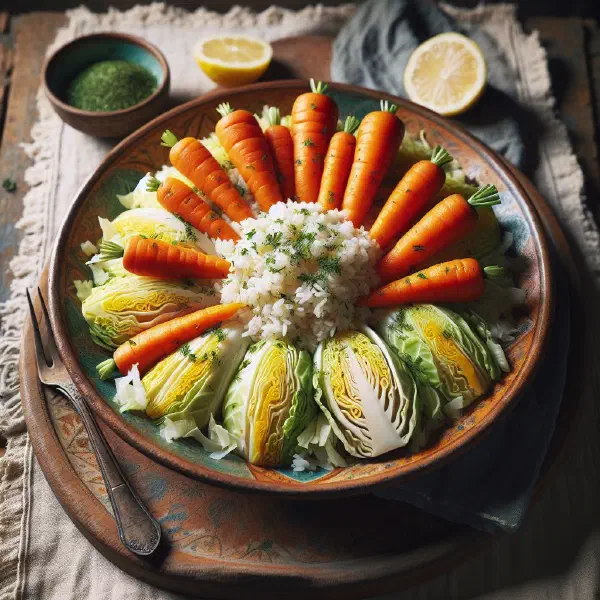
Serve the kleftiko in the parchment it was cooked in, to underline its rustic Greek charm. Add a few fresh herbs as a garnish for colour and aroma. A simple side of bread or a bright salad complements the dish beautifully, a herby Spanakorizo makes an especially fitting partner. Arranging everything on a generous platter creates an inviting, sociable spread.
A bit of history
Historically, kleftiko has its roots in the years of Ottoman occupation, when Greek freedom fighters had to cook their food hidden away in the wild countryside. From this came the slow-cooking method that defines kleftiko, in which the dish was sealed up so that its appealing aromas would not draw the attention of the enemy. That same patient, low-heat approach has carried through to the kitchen today and remains a proud part of Greek cuisine.
More recipe ideas
Summary: Kleftiko
Kleftiko is a truly delicious and wonderfully simple dish that captures the essence of Greece in the most impressive way. With the right ingredients and a little loving care in the preparation, it takes every diner on a tour. Tender, fragrant and steeped in history, this Greek classic turns a slow afternoon in the kitchen into something memorable. Give it a try and let the flavours of the Mediterranean win you over.