National Dish Greece: Kolokythokeftedes (Recipe)
In this article
Say hello to Kolokythokeftedes, the crisp little courgette fritters that turn up on Greek tables across the summer. Made with grated courgette, briny feta and a handful of fresh herbs, they fry up golden on the outside and stay soft and savoury within. Light enough to serve as a meze yet substantial enough for a relaxed main, they taste of sunshine and the Mediterranean, the perfect way to bring a taste of Greece straight to your own kitchen.
About Kolokythokeftedes
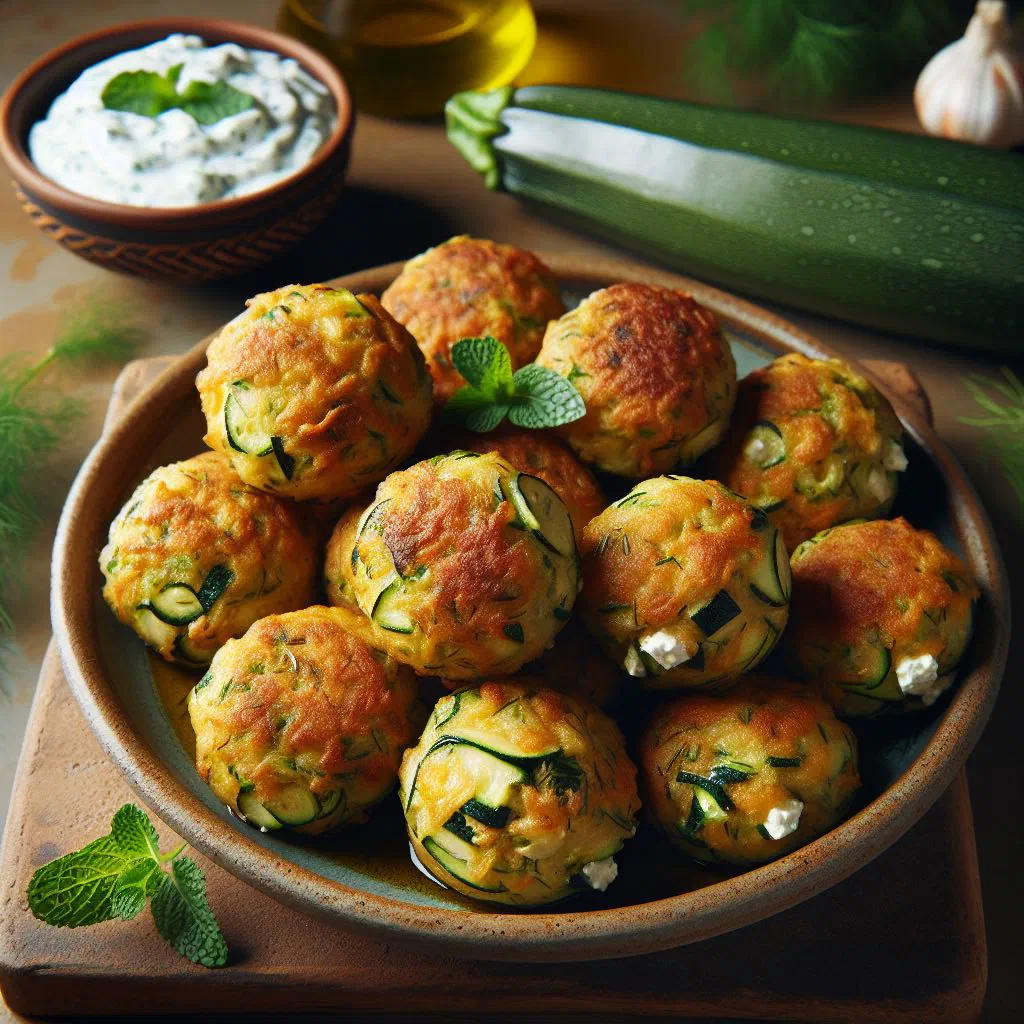
Kolokythokeftedes are Greek courgette fritters prized for their fragrant filling and crisp texture. These little morsels are as easy to make as they are delicious, and they work beautifully as a starter while being hearty enough to serve as a main. The grated courgette is bound with feta, egg and herbs, then shallow-fried until golden. A spoonful of thick yoghurt or a fresh dipping sauce alongside makes them all the better, a classic example of relaxed Greek cuisine at its best.
Ingredients (serves 1–2)
- 2 medium courgettes
- 100 g feta cheese
- 1 egg
- 2 tablespoons plain flour (or gluten-free flour)
- Fresh herbs (such as dill and parsley)
- Salt and pepper, to taste
- Olive oil, for frying
Shopping for the ingredients
When shopping for kolokythokeftedes, pay close attention to the freshness of the courgettes, as they are the star of the dish. Look for firm, glossy specimens without soft spots or bruising. Fresh herbs deepen the flavour and make the fritters wonderfully aromatic, so pick the brightest bunches you can find. Choose your feta from a trusted source too, since good cheese makes all the difference to the finished dish.
Preparing the dish
Before you start cooking the kolokythokeftedes, wash the courgettes thoroughly and coarsely grate them. To draw out excess moisture, which would otherwise leave you with soggy fritters, tip the grated courgette into a clean tea towel and squeeze firmly. Meanwhile, crumble the feta and finely chop the fresh herbs. These small steps are key to getting both the texture and the flavour of the fritters just right.
Step-by-step instructions
- Tip the grated courgette into a bowl and combine with the crumbled feta, the egg, the flour and the chopped herbs.
- Season with salt and pepper and mix everything together well until evenly blended.
- Heat the olive oil in a frying pan and drop in small spoonfuls of the mixture.
- Fry the fritters until golden brown on both sides, then drain on kitchen paper before serving.
Gluten-free / lactose-free version
It is easy to make a gluten-free version of kolokythokeftedes. Simply swap the plain flour for a good gluten-free flour in its place. For those avoiding dairy, choose a high-quality cheese that meets your needs, or replace the feta with a lactose-free alternative. With these small tweaks, anyone with an intolerance can enjoy this delicious dish without missing out.
Tips for vegans and vegetarians
Vegans can adapt kolokythokeftedes by replacing the egg with a mix of chia seeds and water, or with a little apple purée. The feta, in turn, can be swapped for a plant-based alternative so the fritters stay every bit as tasty. The method and the bright flavour of the courgette remain unchanged, meaning this version will please even the most discerning palate.
More tips and tricks
For the perfect consistency, it helps to salt the courgette before you cook and let it rest for a while. This draws out moisture that you can then squeeze away, giving you a crisp outer crust and a fluffy interior. Experiment with different herbs to create your own signature flavour, mint and chives both work beautifully alongside the classic dill and parsley.
Adapting the recipe to your taste
You can ring the changes on the basic kolokythokeftedes recipe by trying different vegetables or cheeses. Carrots or pumpkin add a pleasant crunch, while cheeses such as ricotta bring a softer, milder note. The seasonings can be adjusted too, so the dish lands exactly where your taste wants it. Be creative and let your imagination run free, a courgette-loving cook will feel right at home with Zucchini Keftedes.
Ingredient substitutions
If you have no feta to hand, a mature goat’s cheese or even cottage cheese makes a fine alternative. You can also reach for chickpea flour in place of plain flour to add extra nutrients and a subtle nutty note. The consistency of the fritters stays largely the same, though the flavour can shift noticeably, much like the way a swap of pulses transforms Revithokeftedes. Substitutions like these open up plenty of creative possibilities in the kitchen.
Drink pairing ideas
Kolokythokeftedes pair beautifully with light white wines such as a crisp Sauvignon Blanc or a fruity rosé. For a non-alcoholic option, a refreshing lemon and mint cooler brings out the flavours of the dish wonderfully. A traditional Greek yoghurt drink also makes a lovely accompaniment, balancing the savoury richness of these courgette fritters. They are ideal for a sociable gathering or a relaxed summer barbecue.
Serving and presentation ideas
To present kolokythokeftedes attractively, arrange the fritters on a large platter and garnish with fresh herbs and lemon wedges. A small dip of yoghurt, garlic and mint alongside finishes the plate beautifully and echoes the cooling freshness of Tzatziki with Mint. This kind of styling lends the dish an elegant look and is sure to impress your guests, turning every meal into a special occasion.
A bit of history
Kolokythokeftedes have their roots in Greek cooking and are a classic expression of Mediterranean food culture. Courgettes are widely grown across Greece and feature in all manner of dishes, much like the layered vegetables of Zucchini Briam. These fritters are a delicious way to make the most of the summer harvest while offering a festive little snack. A firm favourite in Greek homes and tavernas alike, they are often served with real pride.
More recipe ideas
Summary: Kolokythokeftedes
Kolokythokeftedes are a flavourful and flexible dish, perfectly suited to almost any occasion. With fresh courgette, fragrant herbs and feta, they are not only a treat for the palate but a real eye-catcher on the table. The many ways to adapt them mean there is a version to suit everyone. Give them a go and let the bright flavours of Greek cooking work their magic.