National Dish Greece: Kritharoto (Recipe)
In this article
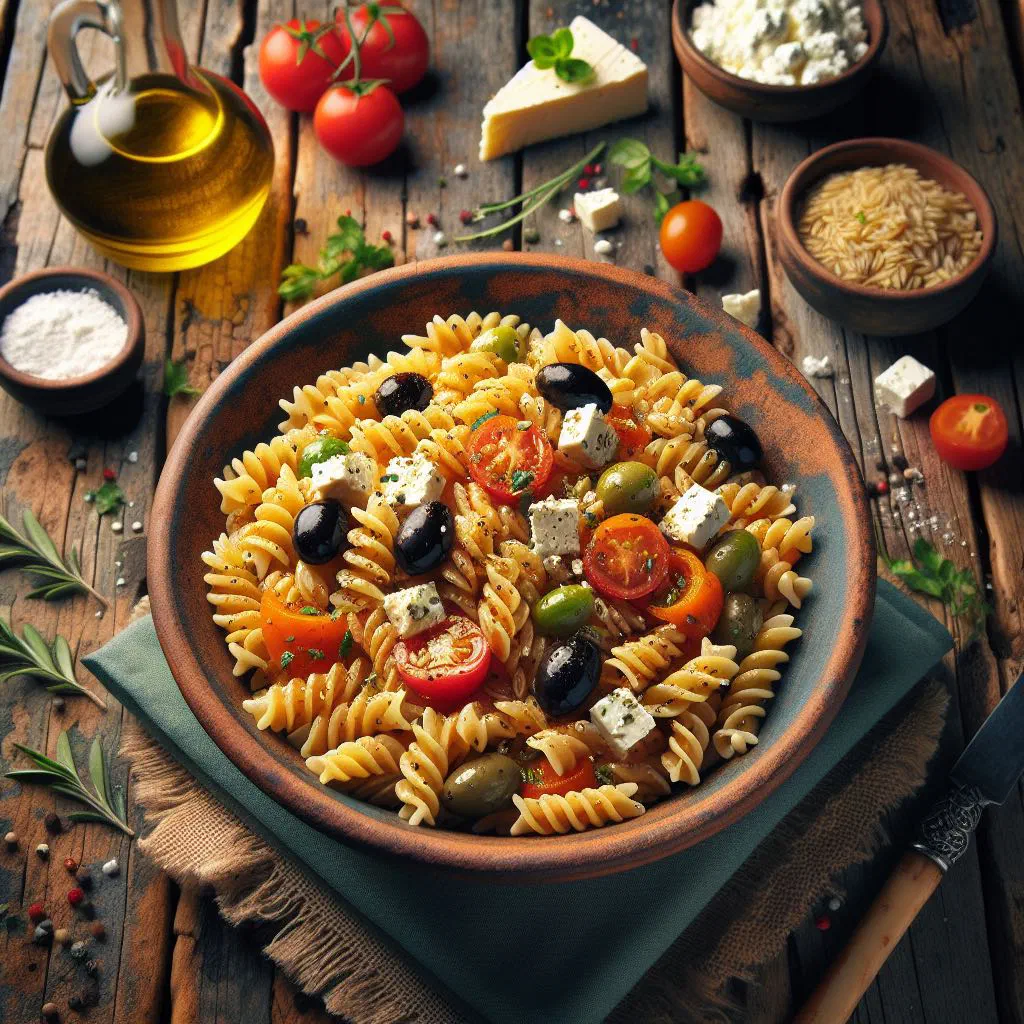
Say hello to Kritharoto, Greece’s wonderfully comforting answer to risotto. Instead of rice, this dish is built around orzo, the small, rice-shaped pasta the Greeks call kritharaki, simmered slowly until it turns soft, silky and full of flavour. Splashed with white wine, enriched with sweet tomatoes and finished with a scattering of crumbled feta, it brings the warmth of the Mediterranean straight to your table. Easy to make and endlessly adaptable, it is the kind of meal that suits a quiet weeknight just as happily as a relaxed dinner with friends.
About Kritharoto
Kritharoto is a traditional Greek pasta dish made with durum-wheat orzo rather than rice. It bears a clear family resemblance to Italian risotto, yet it carries a character all of its own, a distinctive flavour and an uniquely creamy, comforting texture. The dish shifts from region to region and from cook to cook, with different ingredients and seasonings making each version a little different. Kritharoto is delicious and nourishing and satisfying, which makes it a perfect choice for any lunch or dinner.
Ingredients (serves 1–2)
- 200 g kritharaki (orzo pasta)
- 1 onion, diced
- 2 cloves of garlic, chopped
- 500 ml vegetable stock
- 100 ml white wine
- 2 tablespoons olive oil
- 100 g tomatoes (fresh or tinned), diced
- 50 g feta cheese, crumbled
- Salt and pepper, to taste
- Fresh parsley, to garnish
Shopping for the ingredients
To make a really good kritharoto, it is well worth using fresh, good-quality ingredients. Most of what you need is easy to find in a local supermarket or at a weekly farmers’ market. When buying tomatoes, look for ripe, fragrant ones, as they contribute a great deal to the overall flavour of the dish. Choose a good olive oil too. It makes a real difference to both the taste and the nutritional benefits of this Mediterranean classic.
Preparing the dish
Before you start cooking kritharoto, it pays to get all your ingredients prepared and ready to hand. Begin by finely chopping the onion and garlic, and dicing the tomatoes into small, even pieces. Heating the stock in advance is just as important, since it needs to be hot and ready the moment the pasta calls for it.
Step-by-step instructions
- Heat the olive oil in a large pan over a medium heat.
- Add the onion and garlic and sauté until soft and lightly golden.
- Stir in the orzo and toast it briefly until it takes on a light golden colour.
- Deglaze with the white wine and let it bubble for a moment until the alcohol has cooked off.
- Pour in the stock a little at a time, stirring well. Cook the kritharoto, stirring constantly, until the pasta is tender and the liquid has been absorbed.
- After about 10–15 minutes, add the diced tomatoes and let the dish simmer for a further 5 minutes.
- Taste and season with salt and pepper.
- Serve hot, garnished with crumbled feta and fresh parsley.
Gluten-free / lactose-free version
For a gluten-free version, swap the orzo for gluten-free pasta or rice. When it comes to lactose, vegans and anyone with a lactose intolerance can simply leave out the feta or replace it with a plant-based cheese alternative. These swaps barely change the overall flavour, yet they open the dish up to far more people. Small adjustments like these make kritharoto accessible to a much wider range of diners.
Tips for vegans and vegetarians
Kritharoto adapts easily for vegans and vegetarians: use vegetable stock in place of any meat-based stock, and leave out the feta or replace it with a plant-based alternative. You can also add extra vegetables such as courgette or peppers to make the dish more substantial and varied. Herbs like basil or oregano deepen the flavour and lift the fresh, summery notes. These simple changes make the dish not only vegan-friendly but wholesome and delicious too.
More tips and tricks
When cooking kritharoto, a little patience goes a long way, constant stirring is what coaxes out that perfect creaminess. Use a generous amount of stock so the pasta cooks through properly and soaks up plenty of flavour. Feel free to experiment with different seasonings or herbs to fine-tune the dish to your own taste. A squeeze of lemon, for instance, adds a refreshing note and brightens the whole thing up beautifully.
Adapting the recipe to your taste
The flexibility of kritharoto means you can shape it around your own preferences. Like a bit of heat? Add some chilli or fresh peppers to bring a gentle warmth to the dish. For a richer version, stir in mushrooms or artichokes. That way kritharoto becomes more than a hearty meal but one you can refine and make entirely your own, much like a generous helping of Giouvetsi baked low and slow.
Ingredient substitutions
If a few ingredients are missing, there is plenty of room to experiment with alternatives. In place of white wine you could use a splash of cider vinegar or lemon juice to give the dish a pleasant tang. Instead of fresh tomatoes, passata or tomato purée works well to deepen the sauce. Substitutions like these call for a touch of curiosity, but they often lead to wonderful results, the same spirit of improvisation that shines in a bowl of Spanakorizo.
Drink pairing ideas
A range of drinks pairs beautifully with kritharoto, each one echoing the flavours on the plate. A cool glass of white wine, ideally something light and fruity, picks up the aromas of the dish perfectly. Alternatively, a refreshing sparkling water with lemon or mint helps balance any gentle heat. For an alcohol-free option, a homemade iced tea infused with fresh herbs is an excellent choice.
Serving and presentation ideas
Presentation adds a great deal to a successful kritharoto moment. Serve the dish in deep, attractive bowls and garnish with fresh parsley or basil. An extra scattering of crumbled feta across the top makes the dish look more inviting and boosts the flavour. Colourful tableware and a few well-chosen touches at the table can lift the whole dining experience.
A bit of history
Kritharoto has its roots in Greek cuisine and is a lovely example of the creative way local ingredients are brought together. Durum-wheat pasta is widely used across Greek cooking, which has helped make kritharoto such a popular choice. This blend of history and flavour reflects the country’s rich culinary diversity and shows how dishes evolve and become personal over time. More than simply nourishing, it is a heartfelt tribute to the cooking traditions of Greek cuisine, much like the hearty Fasolia Gigantes.
More recipe ideas
- Giouvetsi
- Spanakorizo
- Makaronada
- Fasolada — a classic Greek bean dish that is simple to put together.
- Tzatziki — a refreshing yoghurt, cucumber and garlic dip, perfect alongside many dishes.
Summary: Kritharoto
In short, kritharoto is a versatile and flavourful dish that bends easily to personal taste. With its wide choice of ingredients and seasonings, it offers delicious options for meat lovers and vegans alike. Thanks to its straightforward preparation and inviting presentation, it is ideal for a festive meal or simply a comforting dinner at home. Let the flavours of Greece inspire you, and enjoy this wonderful dish to the full.