National Dish Greece: Lachanorizo with Carrots (Recipe)
In this article
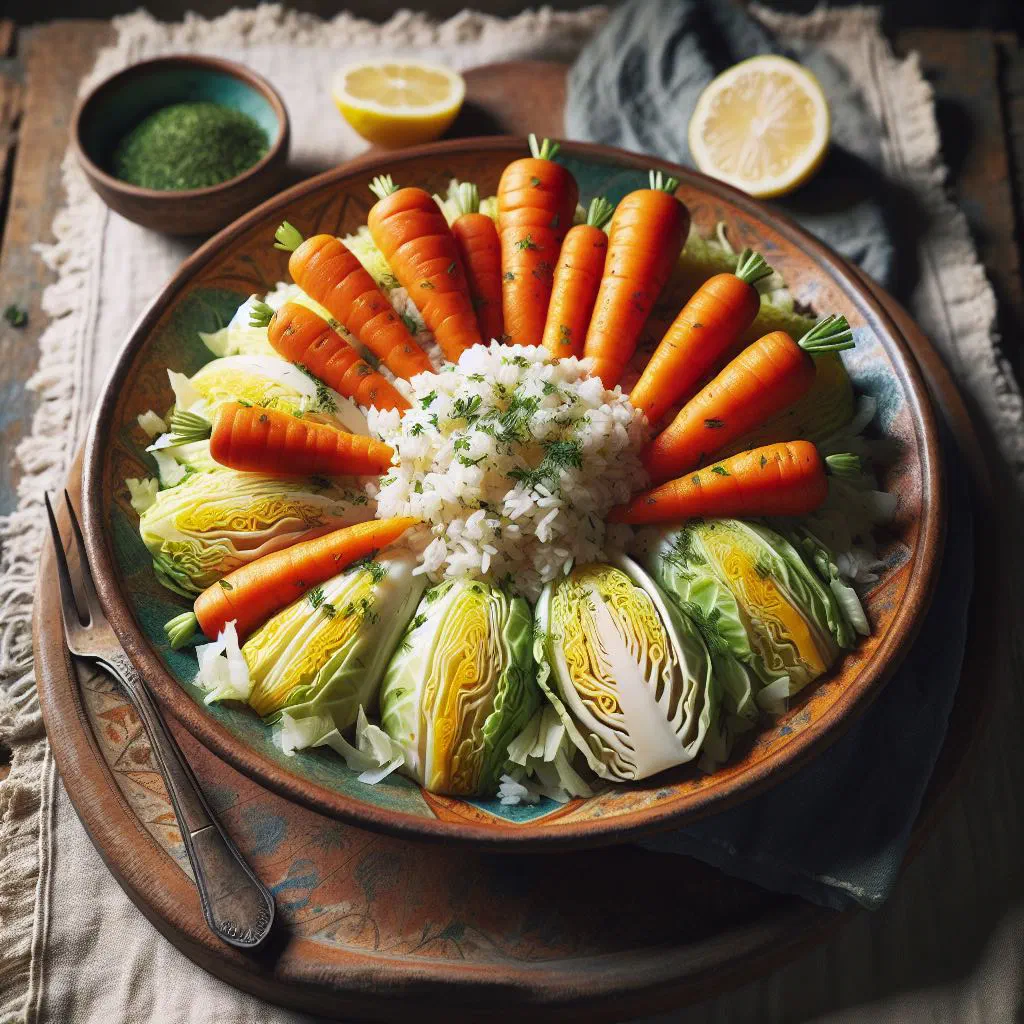
Say hello to Lachanorizo, a comforting Greek rice dish that turns a handful of humble ingredients into something genuinely special. In this version, sweet carrots mingle with fluffy rice and fragrant herbs to capture the easygoing spirit of Mediterranean home cooking. It is wholesome, satisfying and wonderfully simple to make, equally at home as a light lunch or as a side at a festive table. One pan is all you need to bring a taste of Greece into your kitchen.
About Lachanorizo
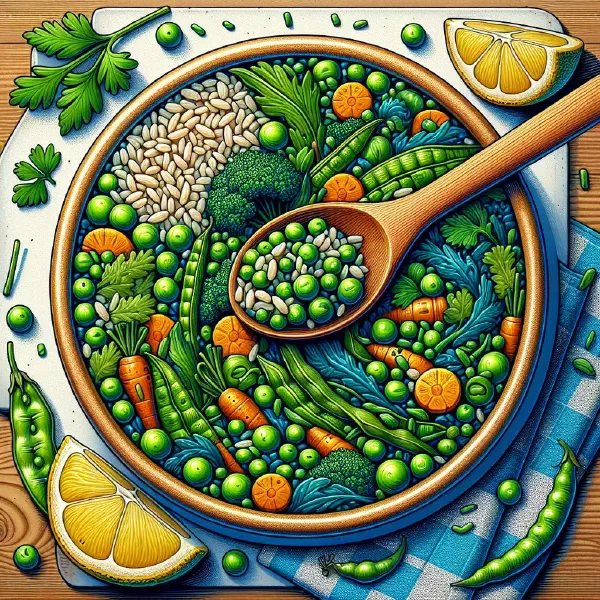
Lachanorizo is a traditional Greek dish that brings together rice, carrots and a selection of aromatic herbs. It is easy to prepare and deeply flavourful and nourishing. The combination of ingredients delivers a rich taste that embodies the heart of Mediterranean cooking. Lachanorizo holds a treasured place in many Greek households.
Ingredients (serves 1–2)
- 150 g rice (e.g. Arborio or basmati)
- 2 medium carrots, washed and grated
- 1 small onion, finely chopped
- 2 tablespoons olive oil
- 500 ml vegetable stock
- 1 teaspoon dried thyme
- 1 teaspoon fresh parsley, chopped
- Salt and pepper, to taste
Shopping for the ingredients
The first step towards making lachanorizo is shopping for the ingredients. Most of them are easy to find in any well-stocked supermarket. Be sure to choose fresh carrots, as they have a big influence on the flavour of the finished dish. For the best result, we recommend reaching for a good-quality basmati or Arborio rice, since both deliver a pleasant texture and just the right taste, the same care you would give the rice in a Spanakorizo.
Preparing the dish
Before you start cooking, careful preparation of the ingredients is important. Begin by washing the carrots thoroughly and either grating them with a box grater or cutting them into small pieces. The onion should be finely chopped too, so that it releases its aroma fully into the dish. Getting everything ready in advance helps the whole process of cooking the lachanorizo run as smoothly as possible.
Step-by-step instructions
- Heat the olive oil in a pan over medium heat.
- Add the chopped onion and sauté until translucent.
- Stir in the grated carrots and cook gently for about 3–4 minutes.
- Add the rice and stir well, so the grains can soak up the oil.
- Pour in the vegetable stock and season with thyme, salt and pepper.
- Cover the pan and let the dish simmer over low heat for around 20 minutes, until the rice is tender.
- Garnish with fresh parsley just before serving.
Gluten-free / lactose-free version
Lachanorizo is naturally gluten-free and can easily be made lactose-free, so people with these intolerances can enjoy this delicious dish too. Simply make sure that the rice and the vegetable stock you use are both free from gluten. This traditional recipe is therefore ideal for a wide range of dietary needs, much like the equally adaptable Briam.
Tips for vegans and vegetarians
Lachanorizo is an excellent choice for vegans and vegetarians, since the ingredients are all natural plant-based products. Just take care to use a vegetable stock that is free from animal ingredients. Fresh herbs boost both the flavour and the nutritional value of the dish. You can also add a variety of vegetables to make it even more colourful and nourishing.
More tips and tricks
To make sure your lachanorizo turns out perfectly, there are a few tips and tricks worth keeping in mind. Do not cook the rice for too long, or it will turn mushy. Check the texture regularly and taste the rice before you cover the pan again. It is also a good idea to adjust the seasoning to suit your own palate. Experiment with other herbs such as basil or oregano to discover new flavour combinations.
Adapting the recipe to your taste
The versatility of lachanorizo means you can easily adapt the recipe to your personal preferences. If you favour certain vegetables, feel free to add them or swap them in. The spices and herbs can be varied too, helping you uncover new aromas.
Ingredient substitutions
If you do not have carrots to hand, you can use other vegetables such as courgette or spinach instead. These alternatives add flavour and bring extra nutrients to the table, spinach in particular shines in a classic Spanakorizo. Different varieties of rice are also worth experimenting with to achieve a different texture. Stay open to new ideas and have fun playing with the ingredients.
Drink pairing ideas
A well-chosen wine can round off the experience of lachanorizo beautifully. A cool white wine, such as a Greek Assyrtiko, pairs wonderfully with the flavours of the dish. If you fancy something refreshing, try sparkling mineral water with a squeeze of lemon. For an alcohol-free option, a homemade iced tea also works well, underlining the Mediterranean flair of the meal.
Serving and presentation ideas
Presentation can lift the enjoyment of lachanorizo considerably. Serve the dish in colourful bowls that reflect its Mediterranean charm. Garnish it with fresh herbs or a touch of lemon zest to refine the look. Attractive tableware shows the dish off to its best and whets the appetite.
A bit of history
Lachanorizo has its origins in Greek cuisine and reflects the country’s rich culinary traditions. It is often seen as a symbol of healthy Mediterranean eating. The use of simple, fresh ingredients is typical of the Greek table, a hallmark it shares with much of Greek cuisine. This dish is a fixture at celebratory feasts and part of everyday meals in many Greek households.
More recipe ideas
Summary: Lachanorizo
Lachanorizo is a simple yet refined dish that wins you over with the earthy taste of rice and the natural sweetness of carrots. It is a fine example of the health-conscious, full-flavoured cooking that defines Greek cuisine, and it lends itself easily to all kinds of variations. Lachanorizo brings a piece of Greek culture into your kitchen. Give it a try and let its aromas work their magic.