National Dish Greece: Ladotyri (Recipe)
In this article
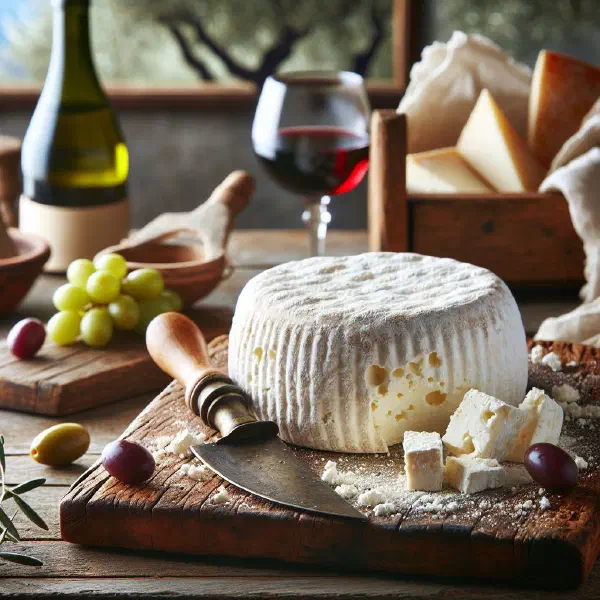
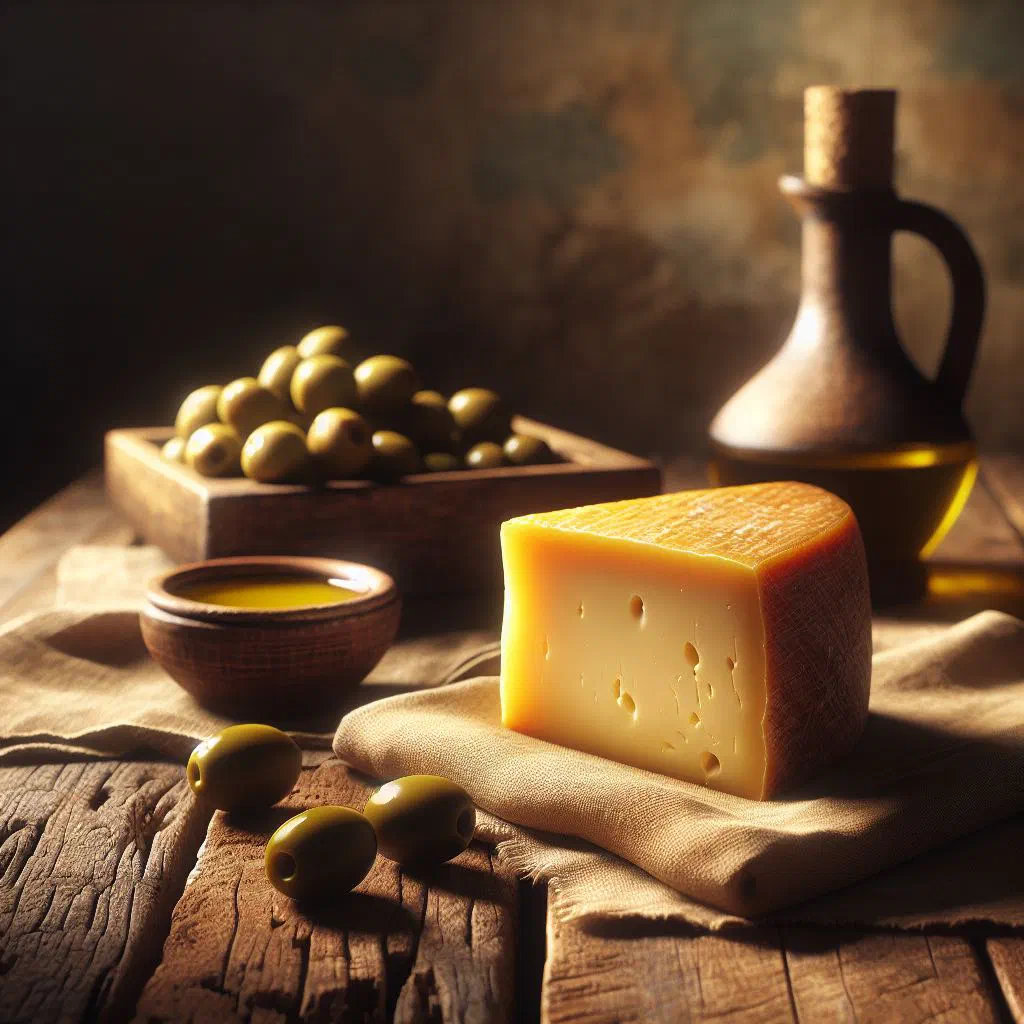
Discover Ladotyri, one of Greece’s most treasured cheeses. Hailing from the sun-soaked island of Lesbos, this creamy, fragrant cheese is matured in golden olive oil, which both deepens its flavour and keeps it beautifully preserved. Made from rich sheep’s milk or goat’s milk, it delivers an authentically Greek taste that shines as a simple mezze or as the finishing touch to a more elaborate dish. Bring a true taste of the Aegean straight to your own table.
About Ladotyri
Ladotyri is a traditional Greek cheese especially prized on the picturesque island of Lesbos. It is distinguished by its creamy texture and aromatic flavour, both of which come from the use of sheep’s milk or goat’s milk. Curing it in olive oil lends the cheese a special character and keeps it fresh for a long time. Ladotyri works wonderfully as a starter or as a way to lift any number of dishes, a genuine piece of Greek culinary heritage.
Ingredients (serves 1–2)
- 250 g sheep’s milk or goat’s milk
- 3 tablespoons olive oil
- 1 teaspoon sea salt
- 1 teaspoon paprika (optional)
- Fresh herbs such as oregano or thyme (optional)
Shopping for the ingredients
When shopping for the ingredients for Ladotyri, it is important to choose good-quality milk. Both sheep’s milk and goat’s milk are often available from specialist supermarkets or weekly farmers’ markets. Make sure the olive oil is extra virgin, as this supports the cheese’s authentic flavour. Herbs and spices can be bought fresh or dried, though fresh herbs bring extra aroma and brightness to the dish.
Preparing the dish
Preparing Ladotyri begins with carefully selecting and measuring the ingredients. The milk should be at room temperature to make it easier to work with. When it comes to salt, quality matters, since sea salt gives the cheese a distinctive savoury accent. If you like, you can also add spices such as paprika to lend the cheese a gently spiced kick.
Step-by-step instructions
- Pour the milk into a pan and heat it slowly until warm, but not boiling.
- Add the salt and stir well until it has fully dissolved.
- Transfer the mixture to a bowl and leave it to cool.
- Once the milk has cooled, spoon the mixture into a piece of cheesecloth and press well to remove the liquid.
- Combine the cheese in a bowl with the olive oil and, if you like, garnish with paprika and fresh herbs.
- Pack into a sealable jar and let it rest in the fridge for at least 24 hours before serving.
Gluten-free / lactose-free version
Making Ladotyri is naturally gluten-free as long as you are mindful of the dairy you use. For a vegan take, swap in plant-based milk alternatives instead. Soya, almond or coconut milk are all possible options, though bear in mind that the flavour may vary a little. Take care that every ingredient you use is free from gluten so the dish stays completely gluten-free.
Tips for vegans and vegetarians
For vegans, making Ladotyri is something of a challenge, since it traditionally relies on animal products. A great alternative is to use cashew cream or tofu to achieve a similar consistency. Combined with olive oil and seasonings, you can put together a delicious vegan cheese alternative. Folding in fresh herbs to boost both flavour and texture is another creative way to shape the cheese to suit a plant-based diet.
More tips and tricks
One important tip for making Ladotyri is to be patient during the maturing process. Rather than resting the cheese for just 24 hours, leave it in the fridge for several days to let the flavour intensify. Check the jar regularly and top it up with fresh olive oil as needed to keep everything moist. Experiment with different aromatics to tailor the cheese to your own preferences.
Adapting the recipe to your taste
The basic ingredients for Ladotyri offer plenty of scope for adaptation. Add extra seasonings such as pepper or garlic to taste for a more intense flavour. Curing it in herb-infused oil can also give the cheese a special note. Experiment with different combinations to create the perfect cheese for your palate, much as the bright, herby notes that work so well in Tzatziki mit Minze.
Ingredient substitutions
If sheep’s milk or goat’s milk is not available to you, there are several plant-based alternatives worth trying. Almonds, cashews or soya all make excellent bases for cheese-making and can, if needed, be combined with vinegar or lemon juice to encourage fermentation. Use aromatic oils to shape the flavour yourself. This gives you the freedom to adapt the cheese to your own preferences while keeping the essence of Ladotyri intact.
Drink pairing ideas
A variety of drinks pairs beautifully with Ladotyri. A light, dry white wine from the region, such as a Greek Assyrtiko, complements the cheese splendidly. Alternatively, Greek beers or refreshing fruit juices are a good choice that underlines the cheese’s savoury character. A classic Retsina, the resinated Greek wine, can also pair surprisingly well with this cheese.
Serving and presentation ideas
The way you present Ladotyri can greatly heighten the enjoyment of the cheese. Serve it on a wooden board, garnished with fresh herbs and accompanied by good bread for an inviting starter, much like a generous spread of Skordopsomo. Small pieces of cut vegetables or fruit add a lovely range of colour. Remember to pour a little of the olive oil into a small dish too, to round out the overall picture.
A bit of history
Ladotyri has a long tradition in Greek cuisine and has been made for many generations on the island of Lesbos. It was originally developed to make use of the products of sheep and goat farming and to extend their shelf life. Olive oil played a crucial role, as it protects the cheese from oxidation. Today the cheese is hugely popular not only in Greece but has also gained recognition internationally as a proud part of Greek cuisine.
More recipe ideas
Summary: Ladotyri
To sum up, Ladotyri is a unique cheese steeped in tradition and a wonderfully versatile element in the kitchen. Its simple preparation and the scope for adaptation make it ideal for countless dishes or as a stand-alone starter. Whether on a cheese board, in salads or as a tapa, Ladotyri brings the authentic flavour of Greece to the table. With a little creativity and good-quality ingredients, you can enjoy a delicious piece of Greek culinary heritage.