National Dish Greece: Louvi (Recipe)
In this article
Say hello to Louvi, a wholesome bean dish that brings the sunny flavours of the Greek countryside straight to your table. Tender beans are gently coaxed to life with olive oil, garlic and a squeeze of lemon, then finished with a flurry of fresh herbs. It is the kind of honest, nourishing food that feels at home as a hearty main or a generous side, and it happens to be naturally vegan, gluten-free and effortlessly satisfying.
About Louvi
Louvi is a traditional Greek dish built around black-eyed beans, simmered until tender and dressed simply to let the ingredients shine. It draws together the aromas of fresh herbs and warm spices, bringing the spirit of Mediterranean cooking right to the plate. Beyond being deeply nourishing, it is wonderfully easy to prepare and offers a wealth of health benefits. Enjoy Louvi as a main course in its own right or as a comforting side alongside other Mediterranean dishes.
Ingredients (serves 1–2)
- 100 g black-eyed beans (dried)
- 2 tablespoons olive oil
- 1 small onion, diced
- 2–3 cloves garlic, chopped
- 1 teaspoon ground cumin
- Juice of ½ lemon
- Fresh herbs (such as parsley and thyme)
- Salt and pepper, to taste
Shopping for the ingredients
To capture the authentic flavour of Louvi, it pays to use fresh, good-quality ingredients. Visit a local market or a wholefood shop to track down the best beans and herbs. Many supermarkets also stock well-organised international sections where you may already find everything you need. When it comes to the olive oil, reach for extra virgin to enjoy the fullest, fruitiest flavour.
Preparing the dish
Preparing Louvi takes a little time, especially if you are working with dried beans. These need to be soaked overnight in water, which shortens their cooking time and helps your body absorb their nutrients more easily. Alternatively, pre-cooked beans make for a much quicker preparation. Once soaked, rinse the beans thoroughly to wash away any impurities before you begin.
Step-by-step instructions
- Add the soaked beans to a pan of fresh water, bring to the boil and cook for around 60 minutes, until tender.
- Heat the olive oil in a frying pan and sauté the onion and garlic until golden brown.
- Stir in the cumin and cook briefly to release its aroma.
- Add the cooked beans and mix well, then season with lemon juice, salt and pepper.
- Fold through the fresh herbs and let everything simmer for a few minutes so the flavours can develop.
Gluten-free / lactose-free version
Louvi is naturally gluten-free and lactose-free, which makes it an ideal choice for anyone with these intolerances. Just take care that any spices or stocks you use are free from gluten-containing additives. As a result, the dish slots easily into almost any special diet without the need for further adjustments.
Tips for vegans and vegetarians
Louvi is a perfect dish for vegans and vegetarians, as it contains no animal products whatsoever. To make it even more substantial, you can add extra vegetables such as peppers or courgettes. These bring more nutrients and a welcome layer of flavour. Just remember to adjust the cooking times if you add any extra vegetables. The same plant-forward spirit runs through dishes like Revithokeftedes.
More tips and tricks
To give Louvi a lift, experiment with different spice combinations. A pinch of paprika or chilli works beautifully if you like a little heat, while a dash of balsamic vinegar can deepen the flavours and add a special note. Try out various herbs, too, until you find the blend that suits you best.
Adapting the recipe to your taste
Louvi is wonderfully easy to tailor to your own taste. Add toasted nuts or a scattering of chervil, for instance, to make the dish even more nourishing. Switching up the herbs, swapping parsley for coriander, say, can create exciting new flavours. Make the most of the recipe’s flexibility to craft your very own version of Louvi.
Ingredient substitutions
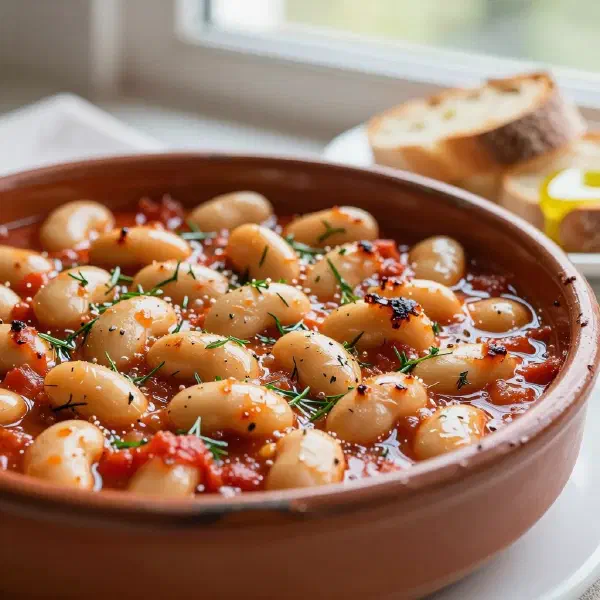
If you cannot find black-eyed beans, red beans or white beans make a delicious alternative, the very same comfort you find in a bowl of Fasolia Gigantes. The herbs leave plenty of room to play, too: basil or dill can bring fresh, surprising flavours. Be creative with your choices and stay open to new combinations to enjoy the full versatility of Mediterranean cooking.
Drink pairing ideas
Louvi pairs beautifully with crisp, refreshing white wines, such as a lively Retsina or a fruity Sauvignon Blanc. If you would rather skip the alcohol, try a mint lemonade or a fresh fruit smoothie. These drinks harmonise with the flavour of Louvi and turn your dinner into a real treat.
Serving and presentation ideas
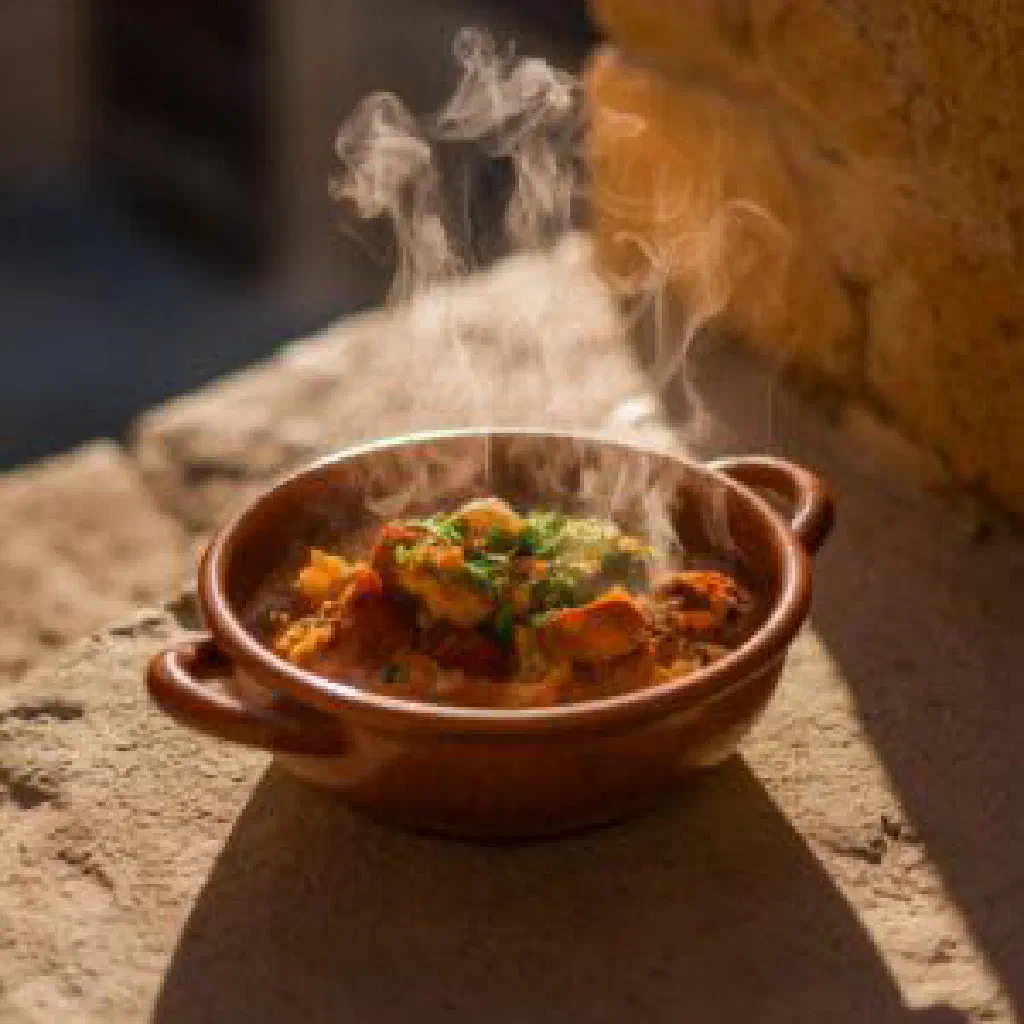
Presentation plays an important part in the whole Louvi experience. Serve the dish in an attractive bowl and garnish with freshly chopped herbs and a squeeze of lemon juice. A final drizzle of olive oil gives it the perfect finishing touch. Choosing serving ware that suits the Mediterranean theme helps round off the whole atmosphere.
A bit of history
Louvi has a long tradition in Greek cooking and is regarded as a simple yet nourishing dish, often prepared in rural regions. The use of beans is typical of the Mediterranean diet, which places great value on plant-based eating. Historically, the dish was seen as an important part of the everyday diet of the Greek population. Paired with other ingredients, it reflects the rich variety of the country’s culture and the regional character of Greek cuisine.
More recipe ideas
Summary: Louvi
Louvi is a delicious and nourishing national dish of Greek cuisine, ideally suited to every taste, whether vegan, vegetarian or gluten-free. The combination of black-eyed beans, fresh herbs and warm spices makes it a highlight on any table. It is simple to prepare and easily adapted to personal preference. Dive into Mediterranean food culture and savour the wonderful variety of Louvi.