National Dish Greece: Onion and Olive Bread (Recipe)
In this article
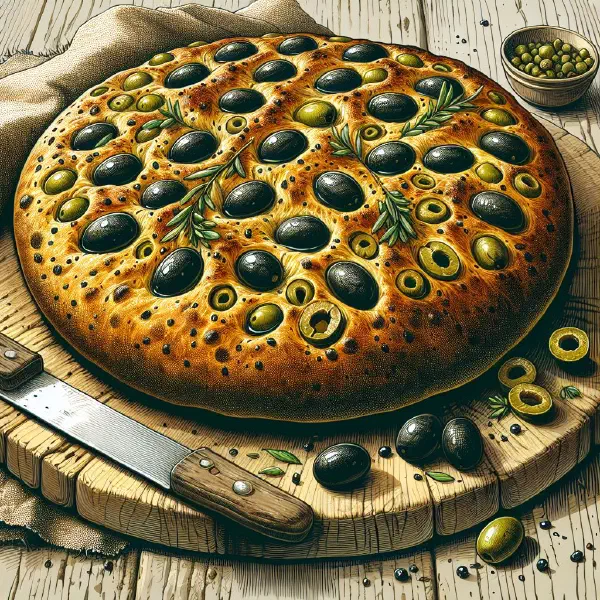
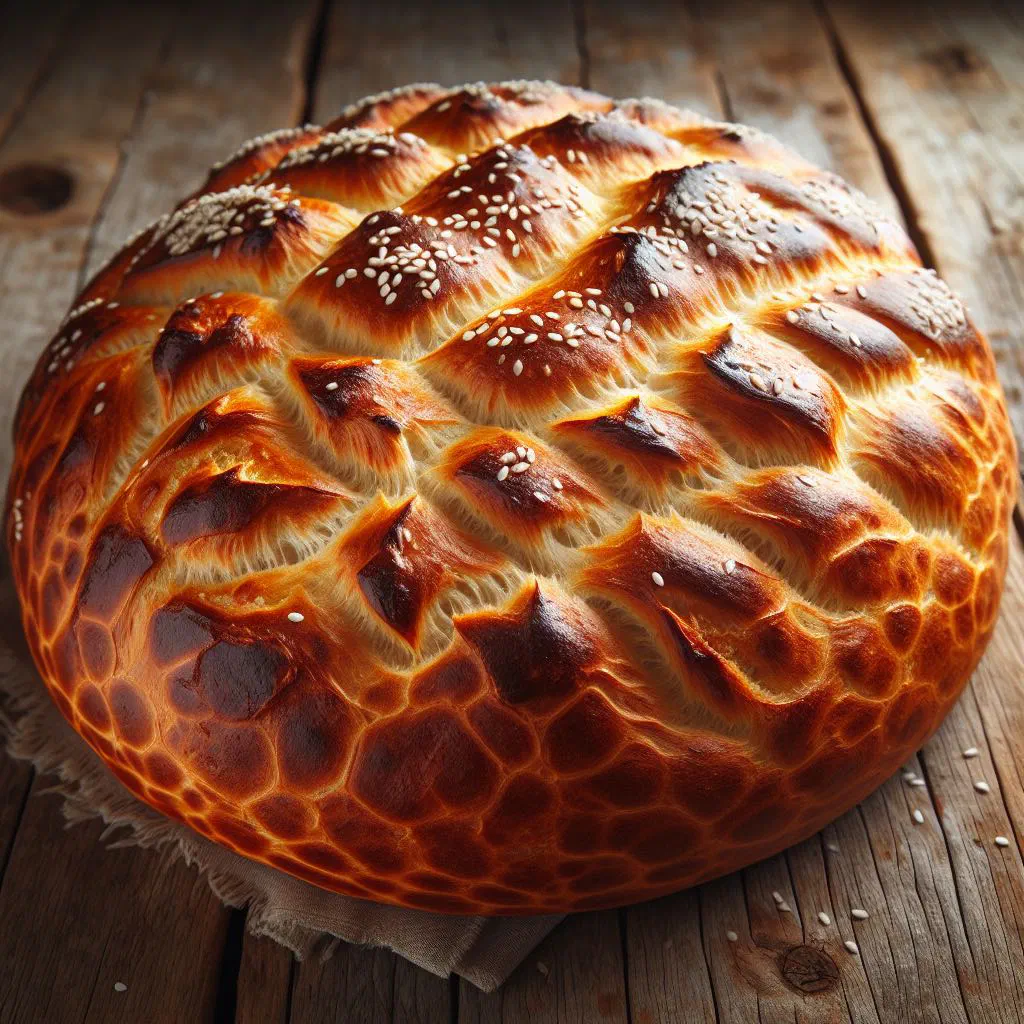
Bring a taste of the Mediterranean to your table with Onion and Olive Bread, a rustic loaf that celebrates the simple, sun-soaked flavours of Greece. Soft and fragrant on the inside with a satisfyingly crisp crust, it studs every slice with sweet onion, briny olives and a whisper of oregano. Serve it as a snack, a starter or a side to your favourite Greek mains, either way, this loaf is hard to resist.
About Onion and Olive Bread
Onion and Olive Bread is a true highlight of Greek cooking, winning fans with its uncomplicated yet deeply flavoursome preparation. A combination of fresh onions, tangy olives and fragrant herbs turns this loaf into the perfect companion for any meal. A starter or a side alongside a Greek main course, it never fails to please. More than a treat for the palate, it brings a real sense of Mediterranean flair to the table.
Ingredients (serves 1–2)
- 250 g plain wheat flour
- 100 ml lukewarm water
- 2 tablespoons olive oil
- 1 teaspoon salt
- 1 teaspoon dried yeast
- 1 large onion, diced
- 100 g black or green olives, pitted and chopped
- 1 teaspoon dried oregano
- Pepper, to taste
Shopping for the ingredients
When shopping for Onion and Olive Bread, it is well worth seeking out fresh, good-quality produce. The olives and the onions in particular should be the best you can find, so their full aroma shines through. You can decide whether to use pitted olives or whole ones. Just keep an eye on the origin, as Greek olives have an incomparable flavour. It is also a good idea to buy your yeast in a sealed sachet, which keeps it fresher for longer.
Preparing the dish
Preparing this loaf is quick and straightforward. Begin by cutting the onions into small dice; this spreads them evenly through the dough and intensifies the bread’s aroma. Chop the olives finely too, so the texture stays consistent throughout. Having all the other ingredients measured out and ready before you start will keep the whole process running smoothly.
Step-by-step instructions
- Dissolve the dried yeast in the lukewarm water in a bowl and leave it to rest for 5 minutes.
- Tip the flour and salt into a large bowl, then add the yeast mixture along with the olive oil.
- Add the diced onions, chopped olives and oregano, and mix everything together well.
- Knead the dough for 5–10 minutes, until it is smooth and supple.
- Cover the dough and leave it to rise in a warm place for 1 hour.
- Preheat the oven to 220°C and line a baking tray with baking parchment.
- Knock back the risen dough, transfer it to the tray and shape it as you like.
- Bake the bread for 20–25 minutes, until golden brown.
- Allow it to cool before serving.
Gluten-free / lactose-free version
A gluten-free version is easy to achieve by using a gluten-free flour. Many gluten-free flour blends have similar baking properties and slot straight into this recipe. Be sure to choose a yeast that is suitable for gluten-free baking so the dough still rises properly. For a lactose-free loaf there is little to change. Simply use a good olive oil and check that all your other ingredients are free from dairy.
Tips for vegans and vegetarians
This Onion and Olive Bread is ideally suited to a vegan and vegetarian diet. Every ingredient in the recipe is plant-based, with no animal products in sight. To make the loaf even more nourishing, you could fold in extra vegetables or herbs. This adds welcome variety and enriches the bread’s overall flavour. The same plant-friendly spirit shines in dishes like Spanakorizo.
More tips and tricks
A few handy tips and tricks make baking this loaf easier still. Use a stand mixer fitted with a dough hook for kneading, which saves both time and effort. Take care not to overwork the dough, or the bread may turn tough. Store the finished loaf in an airtight container to keep it fresh. If the crust softens, pop a slice in the toaster to bring back that lovely crispness.
Adapting the recipe to your taste
This recipe is wonderfully adaptable. If you have particular preferences, you might swap the onions for red onions or spring onions to achieve a different flavour. The type of olive can change too, Kalamata olives or olives marinated in oil each bring something new to the table. Experiment with different herbs to tailor the loaf exactly to your own taste.
Ingredient substitutions
A few clever substitutions can give this recipe an extra lift. In place of wheat flour you could use spelt flour for a slightly nuttier flavour. For a gluten-free version, almond flour or chickpea flour are well worth a try if you enjoy experimenting. The olives can also be swapped for sun-dried tomatoes, lending the loaf a special Mediterranean note much like the one you find in Eliopita.
Drink pairing ideas
To enjoy this Onion and Olive Bread at its best, choose your drinks with care. A fresh Greek red wine pairs beautifully with the loaf’s robust flavours. If you prefer something alcohol-free, a homemade lemonade or a glass of pomegranate juice makes a lovely match. A simple, cold glass of mineral water is another good option for cleansing the palate between bites.
Serving and presentation ideas
Presentation matters too if you want the meal to feel like an occasion. Serve the bread in an attractive, rustic basket and garnish it with fresh herbs or sliced vegetables. A colourful platter of dips such as hummus or tzatziki alongside captures that Mediterranean flair perfectly. Try it with a bowl of Tzatziki with Mint. Don’t forget to slice the loaf into pieces so it is easy to share.
A bit of history
Onion and Olive Bread has its roots in traditional Greek cuisine, where bread sits at the heart of every meal. Olives and onions are staples of the Greek kitchen and feature widely across the wider Mediterranean, often served as a wholesome accompaniment. Combining these ingredients in a single loaf reflects both the simplicity and the richness of the Greek way of eating.
More recipe ideas
Summary: Onion and Olive Bread
In short, Onion and Olive Bread is a wonderful example of flavoursome, healthy Mediterranean cooking. With simple, fresh ingredients and an uncomplicated method, it tempts every palate. It is a genuine pleasure. Give it a go yourself and discover just how varied the world of bread can be.