National Dish Greece: Papoutsakia (Recipe)
In this article
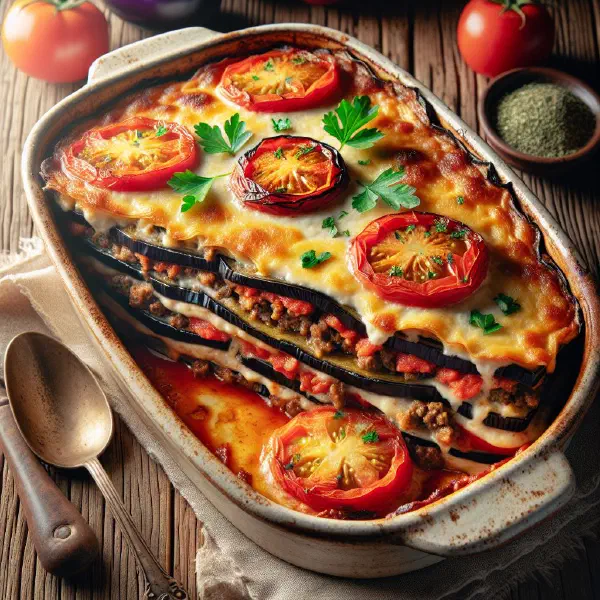
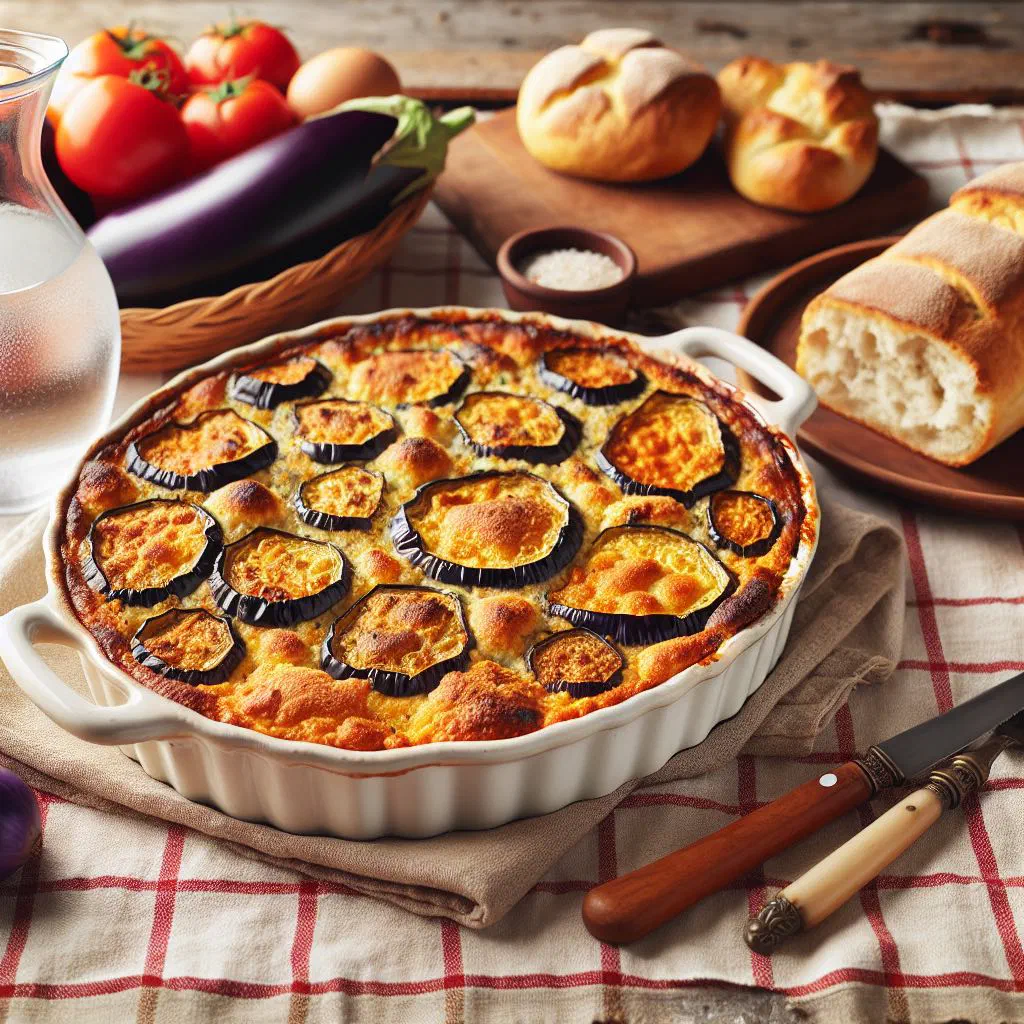
Say hello to Papoutsakia, a comforting baked dish that brings the warmth of the Greek table straight to your kitchen. Tender aubergine halves cradle a savoury meat filling and are crowned with a silky béchamel sauce that turns golden in the oven. Fragrant with oregano and a whisper of cinnamon, it is the kind of hearty, generous dish that feels made for sharing. Serve it with rice or a crisp salad, and let the flavours of Greece take centre stage.
About Papoutsakia
Papoutsakia is a traditional Greek dish whose name translates rather charmingly as “little shoes”, a nod to the boat-shaped aubergine halves that hold the filling. At its heart is a baked aubergine bake, layered with a rich savoury filling and finished with a creamy béchamel sauce. The combination of roasted aubergine, well-seasoned minced meat and that smooth, golden topping gives Papoutsakia its unmistakable character. Often served alongside rice or salad, it makes a complete and deeply satisfying meal.
Ingredients (serves 1–2)
- 2 large aubergines
- 300 g minced meat (beef or lamb)
- 1 onion, diced
- 2 cloves of garlic, chopped
- 2 tomatoes, diced, or 200 g passata
- 100 ml olive oil
- 40 g butter
- 40 g plain flour
- 500 ml milk
- 2 eggs
- 50 g grated cheese (optional)
- Salt, pepper, oregano and cinnamon, to taste
Shopping for the ingredients
To make Papoutsakia at its best, choose fresh ingredients wherever you can, as their quality has a real impact on the final flavour. The aubergines are especially important, look for ones that are ripe, firm and glossy. It is also worth seeking out good-quality minced meat; a blend of beef and lamb lends the dish a particularly rich, savoury depth. Consider picking up good spices too, such as Ceylon cinnamon, to intensify the aroma.
Preparing the dish
Before you start cooking, it is important to prepare the aubergines. Cut them in half lengthways and scoop out a little of the flesh to make room for the filling. Sprinkling the aubergines with salt helps draw out any bitterness. Leave them to rest for around 30 minutes, then rinse and pat them dry to achieve the best possible texture.
Step-by-step instructions
- Preheat the oven to 180°C and prepare the aubergines as described above.
- Brown the minced meat in a pan with olive oil, adding the onion and garlic as you go.
- Add the tomatoes and the spices to the meat and let everything simmer gently over a low heat.
- In a separate pan, make the béchamel sauce: melt the butter, stir in the flour, add the milk and let it thicken over a low heat.
- Stir the eggs and a little grated cheese into the béchamel sauce until well combined.
- Fill the aubergine halves with the meat mixture and arrange them in a baking dish.
- Pour the béchamel sauce over the stuffed aubergines and bake in the oven for about 40 minutes.
- Let them cool slightly before serving and, if you like, garnish with fresh herbs.
Gluten-free / lactose-free version
For a gluten-free version of Papoutsakia, simply use a gluten-free flour in place of regular flour when making the béchamel sauce. There are also several lactose-free milk alternatives that work well here, such as coconut or almond milk. Be sure to use a lactose-free cheese too, if you are finishing the béchamel that way. This lets you enjoy the dish in full without giving up any of the flavour.
Tips for vegans and vegetarians
For a vegan take on Papoutsakia, swap the minced meat for a mixture of lentils, chickpeas or plant-based mince, enriched with vegetables and spices. Instead of dairy milk, reach for a plant-based alternative such as soya or oat milk to make the béchamel sauce. You can use a vegan cheese, or simply leave the cheese out altogether. These small adjustments make it easy to enjoy Papoutsakia while keeping the dish entirely plant-based, much like the meat-free comfort of Spanakorizo.
More tips and tricks
To develop the aroma of your Papoutsakia even further, you can add different spices such as cumin or paprika. Let the filling rest for a while so the flavours have time to mingle and deepen. The aubergines can also be grilled in advance to give them an extra layer of flavour. Experiment with the type of cheese, too, for an interesting twist on the finished dish.
Adapting the recipe to your taste
The recipe for Papoutsakia is wonderfully flexible and easy to adjust to your own preferences. You can add different vegetables to the filling, such as courgette or peppers, to bring extra freshness and nutrients. If you like a little heat, work some chilli or extra pepper into the filling. In this way the dish becomes more personal and better suited to your taste.
Ingredient substitutions
If you do not have every ingredient to hand, there are plenty of alternatives. In place of aubergines you can use courgettes, which offer a similar texture, the same vegetable that stars in Zucchini Briam. For the béchamel sauce, a ready-made vegan béchamel from the supermarket can save you time. Creative swaps like these let you put your own delicious spin on the classic dish.
Drink pairing ideas
To round off your Papoutsakia perfectly, the right drinks make all the difference. A refreshing Greek white wine such as Assyrtiko pairs beautifully with the flavours of the dish. A light rosé harmonises well too, and there are non-alcoholic options as well, like a homemade lemonade with mint. These pairings complete the experience and make for a thoroughly enjoyable meal.
Serving and presentation ideas
Presentation adds a great deal to how Papoutsakia is enjoyed. Use an attractive baking dish that you can take straight to the table. Garnish the dish with fresh herbs such as parsley or dill just before serving to add a splash of colour. A bright salad or some fresh bread alongside completes the picture and tastes wonderful, a Tomato Salad with Feta makes an especially fitting partner.
A bit of history
Papoutsakia has its roots in Greek cuisine and draws inspiration from the Mediterranean cooking tradition. The pairing of aubergines and well-spiced minced meat has been a much-loved combination in Greece for centuries. In the Aegean region in particular, bakes like this are prepared with enthusiasm and served on special occasions. Papoutsakia therefore comes to symbolise the hospitality and love of good food that run through Greek cuisine.
More recipe ideas
Summary: Papoutsakia
In short, Papoutsakia is a refined and versatile dish from the heart of Greek cuisine. Its harmonious flavour, the marriage of aubergines with a savoury filling and a creamy sauce, makes it an absolute pleasure. Whether for a festive occasion or a cosy evening meal, this dish brings the flavours of the Mediterranean straight to your table. Give it a try and let the variety of Greek cooking win you over.