National Dish Greece: Patatokeftedes (Recipe)
In this article
Say hello to Patatokeftedes, Greece’s very good little potato fritters. These crispy potato cakes are studded with fresh herbs and warming spices, delivering a burst of Mediterranean flavour in every golden bite. Equally at home as a moreish snack or a generous side dish, they are quick to make and quietly addictive. Bring a taste of sun-soaked Greek tavernas to your own kitchen with this cheerful, fuss-free recipe.
About Patatokeftedes
Patatokeftedes are a genuine highlight of the Greek kitchen, loved at home and increasingly around the world. These crispy potato cakes bring together fresh herbs and gentle spices to create a lively explosion of flavour. They make a delicious snack in their own right, but they are also a brilliant side dish to serve alongside countless main courses. Best of all, they are simple and quick to put together, which makes them the perfect choice for any family meal.
Ingredients (serves 1–2)
- 3 large potatoes
- 1 onion
- 2–3 tablespoons flour
- 1 teaspoon baking powder
- 1 bunch fresh parsley
- 1 teaspoon paprika
- Salt and pepper, to taste
- Oil, for frying
Shopping for the ingredients
If you want to make the best possible Patatokeftedes, it pays to seek out fresh ingredients. The potatoes are the star of the show, so choose ones that are firm and unblemished. Fresh herbs such as parsley add an aromatic depth and a bright splash of colour to the dish. Your best bet is to head to a local market or an organic grocer, where you will find produce at its finest.
Preparing the dish
Preparation for the Patatokeftedes begins with peeling and boiling the potatoes until they are soft. While the potatoes cook, you can finely chop the onion and roughly chop the parsley. This bit of groundwork is key to bringing out the flavours at their best. A handy tip is to let the boiled potatoes cool a little after draining, as this makes them much easier to work with.
Step-by-step instructions
- Boil the peeled potatoes in a pan of water until they are soft.
- Mash the cooked potatoes with a fork and tip them into a bowl.
- Add the onion, parsley, flour, baking powder, paprika, salt and pepper, then mix everything together well.
- Shape the mixture into small cakes with your hands.
- Heat the oil in a frying pan and fry the cakes until golden brown on both sides.
- Drain on kitchen paper and serve warm.
Gluten-free / lactose-free version
The Patatokeftedes are easily adapted for gluten-free and lactose-free diets. Simply use gluten-free flour to bind the cakes together and you are good to go. The potatoes themselves are naturally lactose-free, so they pose no problem at all. Just double-check that all your other ingredients are free from gluten and lactose to guarantee a fully suitable result.
Tips for vegans and vegetarians
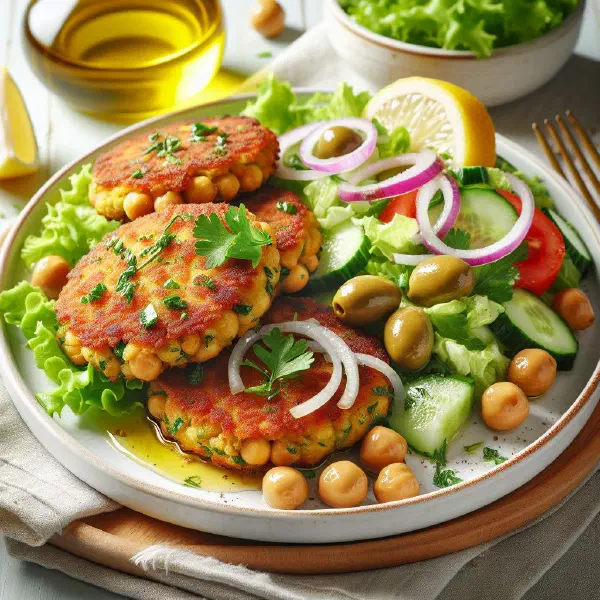
For vegans, the Patatokeftedes make a wonderful addition to a plant-based diet and slot in beautifully. Reach for plant-based flours and other suitable ingredients to keep your dish varied and interesting. Tofu or chickpeas are worth considering if you want to boost the nutritional value, the same protein-packed approach behind crisp Revithokeftedes. Make sure you use the right spices to intensify the flavour without needing any animal products.
More tips and tricks
A few simple tips can make your Patatokeftedes even tastier. Experiment with different herbs such as dill or mint to achieve a flavour all your own. Adding crumbled feta cheese can be a delicious variation too, as long as you are not following a strictly vegan diet. For an extra crisp texture, you can also coat the cakes in breadcrumbs before frying.
Adapting the recipe to your taste
Tailoring the Patatokeftedes to your own preferences is easy. Add spices such as garlic or onion powder to deepen the flavour. You can also shape the cakes smaller or larger depending on whether you are serving them as a snack or as a more substantial main. This flexibility makes the recipe a fantastic option for the whole family.
Ingredient substitutions
If you find yourself missing an ingredient or two, there are plenty of handy alternatives. In place of regular potatoes, for instance, you could use sweet potatoes for a slightly sweeter result. Instead of onions, shallots or spring onions work nicely for a milder note. Just keep an eye on the consistency of the mixture so it stays firm enough to shape into perfect cakes.
Drink pairing ideas
For drinks to go alongside, light white wines or refreshing lemonades are ideal. A chilled glass of Retsina, the classic resinated Greek wine, pairs beautifully with the flavours of the Patatokeftedes. If you prefer something alcohol-free, a homemade mint tea or a citrus lemonade makes an equally refreshing choice.
Serving and presentation ideas
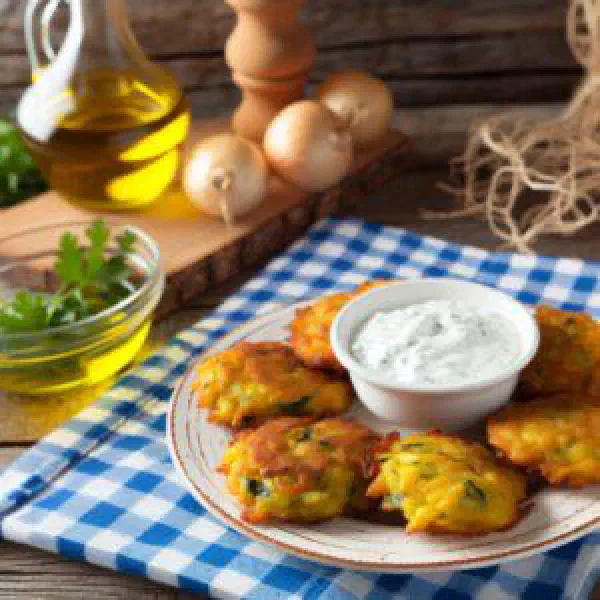
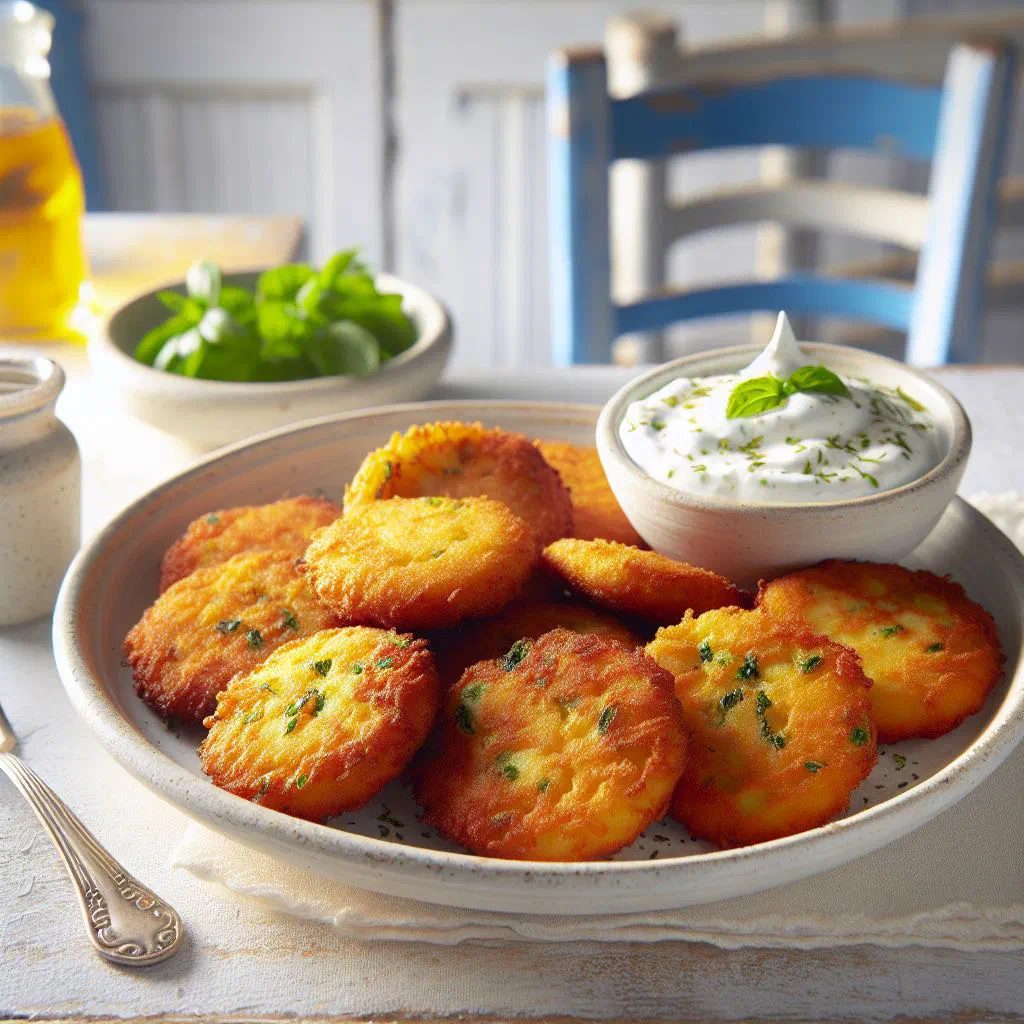
Thoughtful presentation can make the Patatokeftedes even more enjoyable. Serve them on a colourful platter, garnished with fresh herbs and lemon wedges. A simple yoghurt dip or a light, frothy sauce alongside complements the flavours wonderfully, much as it does with creamy Tzatziki with Mint. A nicely arranged plate turns these little cakes into a treat for the eyes as well as the palate.
A bit of history
The history of the Patatokeftedes is woven into Greek food culture and reflects the Greek love of fresh, simple ingredients. Originally a clever way to use up leftover boiled potatoes, they have grown into a popular snack found in tavernas and homes across the country. These traditional little cakes embody the Mediterranean way of life and the sheer joy of eating, a spirit you will taste throughout Greek cuisine. They are a classic example of how the humblest ingredients can become an absolute pleasure.
More recipe ideas
Summary: Patatokeftedes
In short, the Patatokeftedes are a wonderfully tasty dish and a little slice of Greek tradition brought to your table. With simple, fresh ingredients and a wholly uncomplicated method, these potato cakes come together in no time at all. They are ideal for sociable gatherings, as a side to all sorts of dishes, or as a light snack to brighten the day. Savour the flavours of the Mediterranean with this versatile and timeless recipe.