National Dish Greece: Pitarakia (Recipe)
In this article
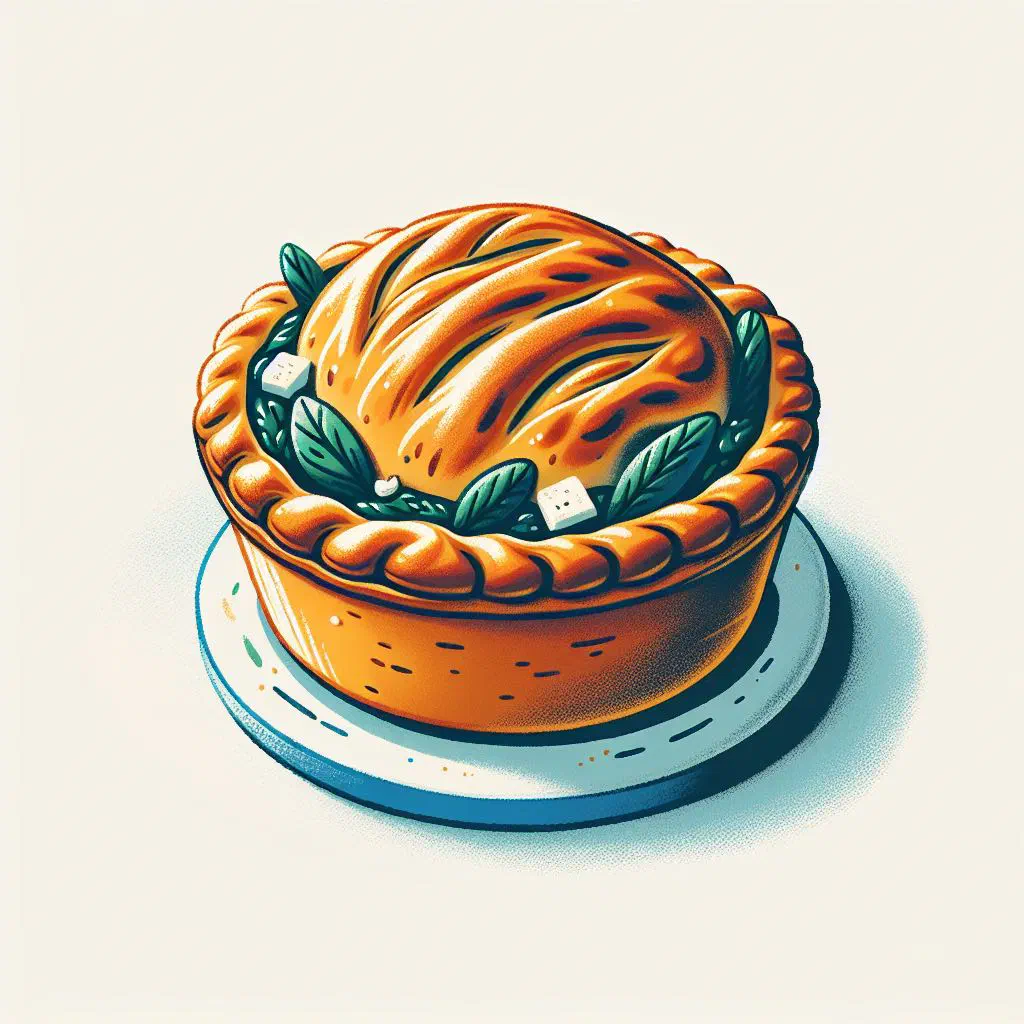
Say hello to Pitarakia, the little fried pastries that taste of a Greek summer. Tucked inside each crisp, golden parcel is a savoury filling of feta cheese and fresh herbs, lifted with a little seasoning and a generous glug of olive oil. They make a brilliant snack or a relaxed starter, equally at home on a meze table or handed round at a party. One bite and you are wandering the sun-warmed streets of Greece.
About Pitarakia
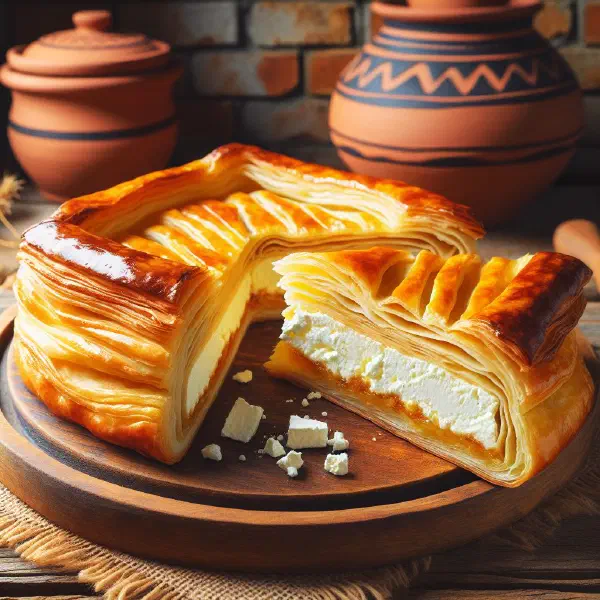
Pitarakia are traditional Greek pastries that work just as well as a snack as they do as a starter. These moreish little parcels are filled with a mixture of feta cheese, fresh herbs and fragrant seasonings that give every mouthful its own special character. Making them is something of an art form, one that runs deep in Greek culinary tradition. From the very first bite you taste a flavour of tradition that whisks you straight to the sunlit lanes of Greece.
Ingredients (serves 1–2)
- 200 g plain flour
- 100 ml water
- 50 ml olive oil
- 150 g feta cheese
- 1 handful fresh herbs (such as dill and parsley)
- 1 egg
- Salt and pepper, to taste
- Olive oil, for frying
Shopping for the ingredients
To make pitarakia you want fresh, good-quality ingredients. Pay a visit to a local market or a Greek deli to track down the best feta and the freshest herbs. Choose a decent flour so the dough reaches the right consistency, and don’t skimp on the olive oil either, as its quality makes a real difference to the flavour of the finished pastries.
Preparing the dish
Before you start shaping the pitarakia, it pays to get everything ready. Combine the dry ingredients, the flour and a pinch of salt, then pour in the water and the olive oil. Knead the dough until it is smooth and elastic, then leave it to rest for about 30 minutes. The rest relaxes the dough and makes it far easier to roll out later on.
Step-by-step instructions
- Divide the dough into small portions and roll each one out thinly.
- Crumble the feta and mix it with the chopped herbs and the egg.
- Spoon a little of the filling into the centre of each disc of dough.
- Dampen the edges of the dough and fold them over, pressing to seal each parcel.
- Fry the pitarakia in a pan of hot olive oil until golden brown.
Gluten-free / lactose-free version
If you fancy a gluten-free or lactose-free take on pitarakia, a few simple swaps do the trick. Gluten-free flour is an excellent choice for the dough. For the filling, reach for a lactose-free cheese or a plant-based cheese alternative. Play around with different herbs and spices to keep that same delicious flavour. With these tweaks, anyone with an intolerance can still enjoy this Greek speciality, much as they would a feta-rich Spanakorizo.
Tips for vegans and vegetarians
Vegetarians can fill their pitarakia with a mixture of fresh vegetables and plant-based cheese. Vegans can leave out the egg altogether or replace it with a blend of ground chia seeds and water. These small changes keep the dish every bit as tasty while supporting a plant-based lifestyle. As always, reach for fresh, top-quality ingredients to get the best possible flavour.
More tips and tricks
To make your pitarakia extra crisp, work a little baking powder into the dough. A pinch of cinnamon in the filling lends an intriguing note that tends to win people over. If a little filling escapes during frying, don’t worry. It only makes the pastries tastier. Just remember not to overfill them, so the parcels are easy to seal.
Adapting the recipe to your taste
Pitarakia leave plenty of room for creative tinkering. Experiment with different cheese alternatives, or fold in extra ingredients such as spinach or sun-dried tomatoes. You can stuff them with whatever filling you love best, so let your imagination run free. That way you can tailor the recipe perfectly to your own tastes and surprise your guests.
Ingredient substitutions
In place of feta you could use a sheep’s-milk cheese or a vegan cheese alternative to explore different flavours. For a gluten-free version, swap the wheat flour for a blend of rice flour and cornflour. Olive oil can give way to sunflower oil if you prefer something milder. All of these substitutions mean everyone can enjoy pitarakia, whatever their diet or preference, the same flexibility you’ll find in a herby Tsouknidopita.
Drink pairing ideas
Plenty of drinks go beautifully with pitarakia. A smooth Greek wine, especially a Retsina or a light rosé, rounds off the whole experience. For an alcohol-free option, a refreshing lemon or orange soda complements the savoury flavours nicely. A yoghurt drink also makes a hearty match, drawing out the seasonings in the filling all the more.
Serving and presentation ideas
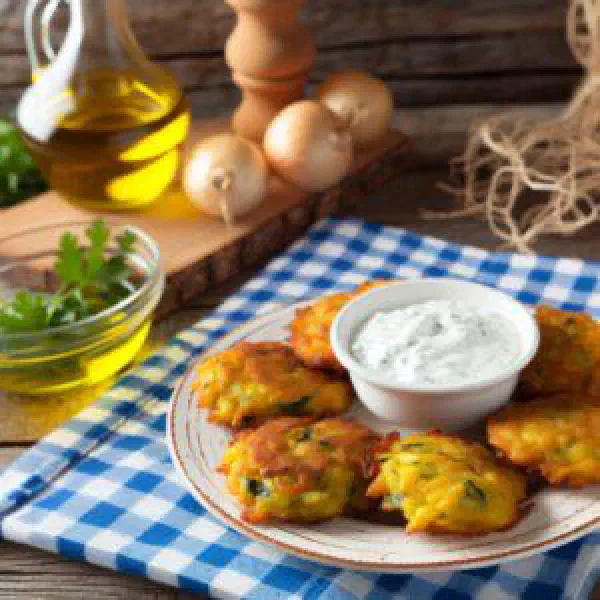
Serve your pitarakia on a handsome platter, perhaps with a little green salad or some tzatziki alongside. Scatter fresh herbs such as mint or parsley over the top for colour and aroma. Laying them out on a wooden board lends the dish a rustic charm. Above all, serve them warm to enjoy them at their very best.
A bit of history
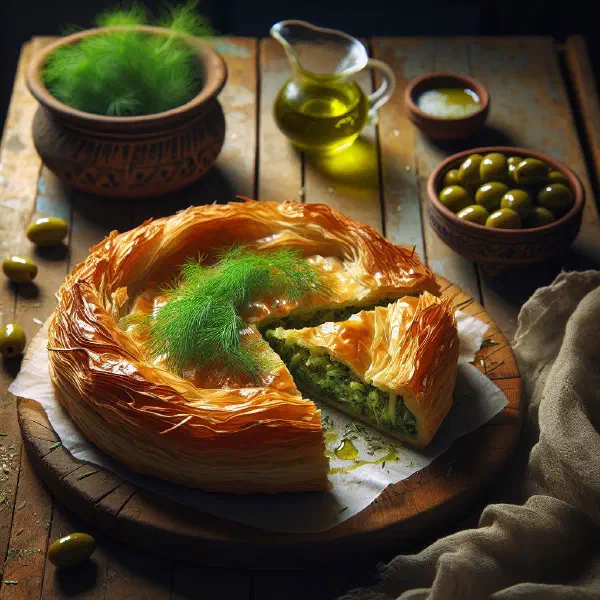
Pitarakia are a well-loved part of Greek cuisine, with roots in the island kitchens of the region. They are often prepared for special occasions and festivals, which has made them a symbol of family gatherings and shared tradition. The little parcels reflect the warm hospitality for which Greek culture is known. Their popularity has carried them far beyond Greece, and they are now enjoyed the world over. They sit happily within the wider tapestry of Greek cuisine, alongside many a savoury pie and meze.
More recipe ideas
Summary: Pitarakia
Pitarakia are far more than tasty little pastries; they are a piece of Greek culture and tradition. With simple, fresh ingredients and endless scope for creative tweaks, anyone can make this dish at home. Let your palate savour this delicious slice of Greece.