National Dish Greece: Rotschka (Recipe)
In this article
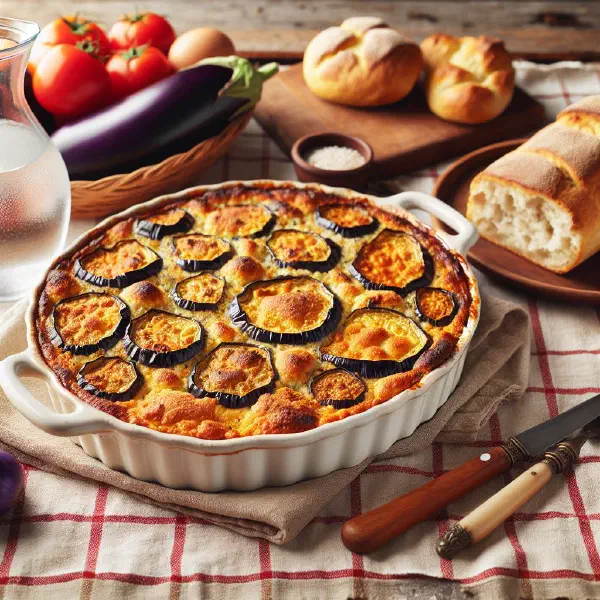
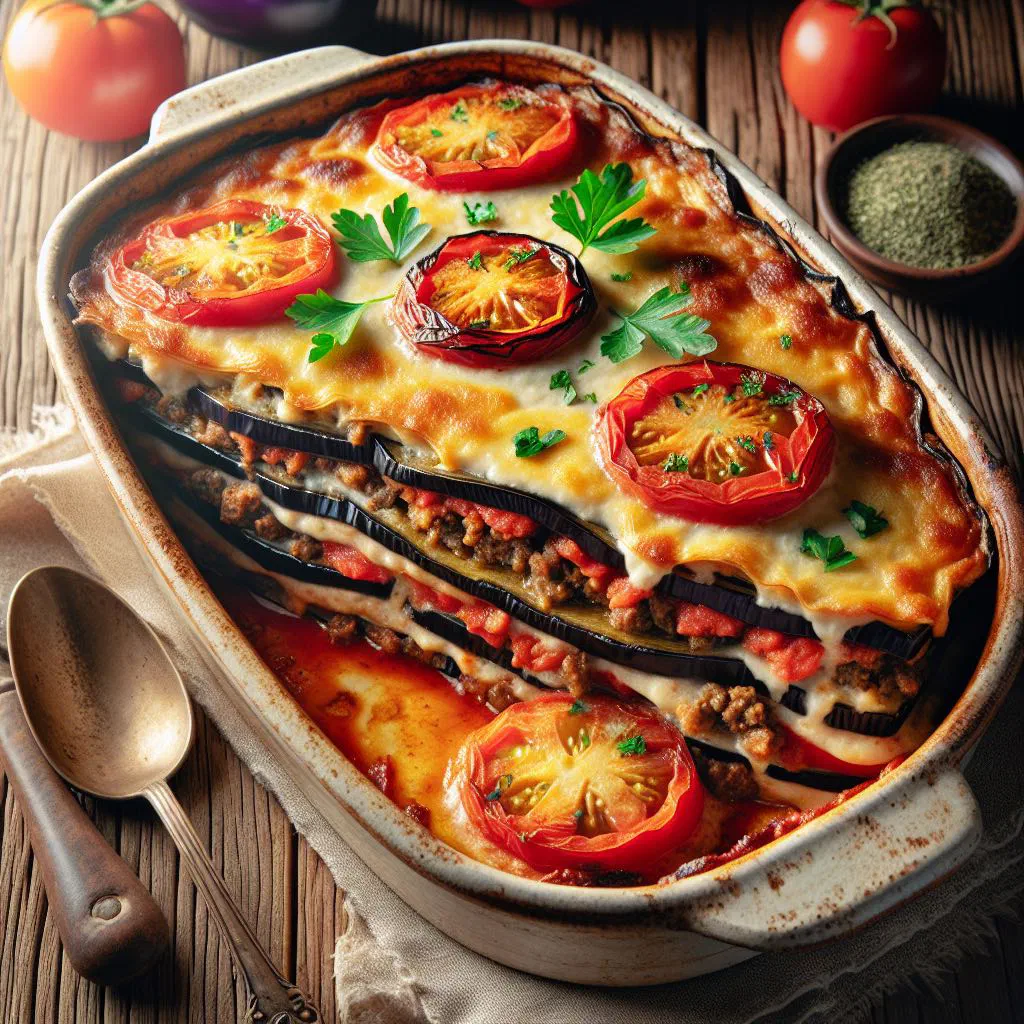
Say hello to Rotschka, a gloriously rich Greek bake that layers tender aubergine with savoury spiced mince and a blanket of creamy béchamel sauce. It is the kind of dish that fills the kitchen with the warm aromas of the Mediterranean and turns any gathering into an occasion. This comforting classic brings a little corner of Greece straight to your table.
About Rotschka
Rotschka is a traditional Greek dish celebrated above all for its rich, creamy texture. The main ingredients are aubergines, minced meat and a velvety béchamel sauce, baked together into something deeply satisfying. It is a feast for the palate and a wonderful way to experience the heart of Mediterranean cooking. The dish suits special occasions and cosy family get-togethers alike, and it sits comfortably among the great baked classics of Greek cuisine.
Ingredients (serves 1–2)
- 2 medium aubergines
- 300 g minced meat (beef or lamb)
- 1 onion
- 2 garlic cloves
- 400 g tomatoes (tinned or fresh)
- 150 ml béchamel sauce
- Olive oil
- Salt and pepper
- Nutmeg (to taste)
- 100 g grated cheese (such as Parmesan)
Shopping for the ingredients
To prepare an authentic Greek Rotschka, choose fresh, high-quality ingredients. The aubergines should be firm and glossy, while the minced meat is best sourced from a good butcher. Look for ripe tomatoes to coax out the fullest flavour. The béchamel sauce can either be made from scratch or bought ready-made at the supermarket, depending on how much time you have to hand.
Preparing the dish
Before the Rotschka goes into the oven, slice the aubergines and sprinkle them with a little salt. This draws out any bitterness and gives a better texture once cooked. The minced meat, meanwhile, needs to be browned and seasoned with onion and garlic so its full flavour comes through. This groundwork is the key to a truly delicious result, and the effort is well worth it.
Step-by-step instructions
- Sprinkle the aubergine slices with salt and leave to rest for 30 minutes.
- Rinse the aubergines and pat them dry.
- Heat olive oil in a pan and fry the aubergines until golden.
- In a separate pan, sauté the onion and garlic, then add the minced meat.
- Brown the meat, then stir in the tomatoes and seasonings and let it simmer briefly.
- Lay a layer of aubergine in an ovenproof dish, followed by the meat mixture.
- Add further layers of aubergine and spread the béchamel sauce evenly over the top.
- Sprinkle with grated cheese and bake in a preheated oven at 180°C for about 45 minutes.
- Let it cool slightly before serving so the layers can settle.
Gluten-free / lactose-free version
For a gluten-free Rotschka, use rice or chickpea flour as the thickener in the béchamel sauce. Instead of ordinary milk, plant-based alternatives such as soya, almond or oat milk make for a lactose-free version. Remember to swap out the cheese too, if needed. These small adjustments make the dish accessible to far more people without compromising on flavour.
Tips for vegans and vegetarians
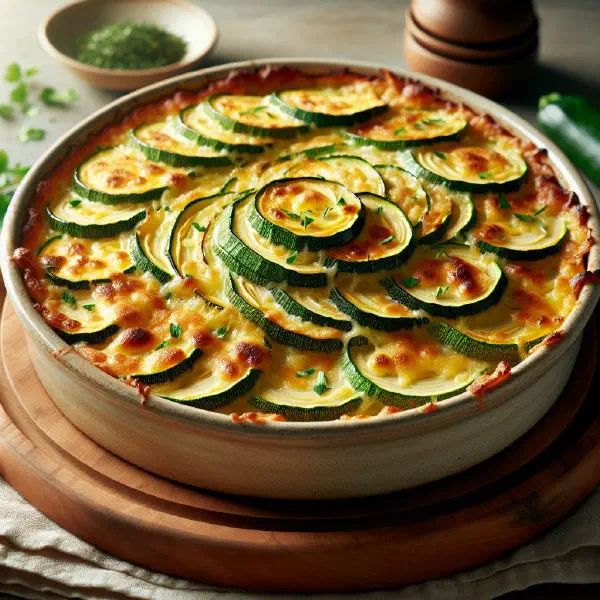
Vegans can adapt Rotschka with ease by replacing the minced meat with a mixture of lentils or chopped mushrooms. In place of the béchamel, a cashew cream or a similar plant-based sauce works beautifully. Vegetarians might also reach for a meat-free mince such as Quorn. These variations offer a delicious option for anyone who prefers to skip animal products, much like the hearty bake in Zucchini Briam.
More tips and tricks
To intensify the flavour of your Rotschka, add Mediterranean herbs such as oregano or thyme. Grilling the aubergines beforehand also brings extra depth. Experiment with different cheeses in the béchamel to create interesting new flavours. These little tweaks can make a real difference to the finished dish, just as they do in a comforting Giouvetsi.
Adapting the recipe to your taste
Rotschka lends itself wonderfully to personal preference. If you fancy more vegetables, add courgette or peppers to the layers. The seasonings can vary too, so adjust them until the dish suits your palate exactly. This flexibility makes Rotschka an ideal recipe for cooks who like to get creative in the kitchen.
Ingredient substitutions
If you are not keen on aubergines, you can use potatoes as the layering vegetable instead. For the béchamel sauce, alternative flours such as almond or spelt work well. The minced meat can be replaced with plant-based alternatives or tofu to make the dish vegan-friendly. With swaps like these, Rotschka stays interesting for anyone with particular dietary needs.
Drink pairing ideas
Rotschka pairs splendidly with traditional Greek wines such as Retsina or a robust red. For an alcohol-free option, serve a refreshing lemonade or a cup of mint tea. They also help carry that Mediterranean atmosphere right through to the table.
Serving and presentation ideas
To serve Rotschka in style, plate it up in individual ovenproof dishes. A fresh salad of rocket or mixed leaves pairs perfectly and brings welcome colour to the table. A scattering of fresh herbs such as parsley or basil boosts both the look and the flavour. A crisp Tomato Salad with Feta on the side turns every meal into something special.
A bit of history
Rotschka traces its roots to Austrian and Arabic cooking, and was adopted over time by the Greeks. The dish has evolved across the years to become one of the best-known in the Greek kitchen. Different regions of Greece have their own variations, reflecting the wonderful diversity of ingredients and techniques. Rotschka is more than just a meal; it is a piece of culture and tradition.
More recipe ideas
Summary: Rotschka
Rotschka is a versatile and utterly delicious dish, equally suited to special occasions and everyday meals. With its perfect combination of aubergine, minced meat and a creamy béchamel sauce, it offers a memorable taste experience. Making Rotschka is both a pleasure and a journey of discovery into Greek cooking. Let this dish inspire you and bring a little piece of Greece into your own kitchen.