National Dish Greece: Saganaki (Recipe)
In this article
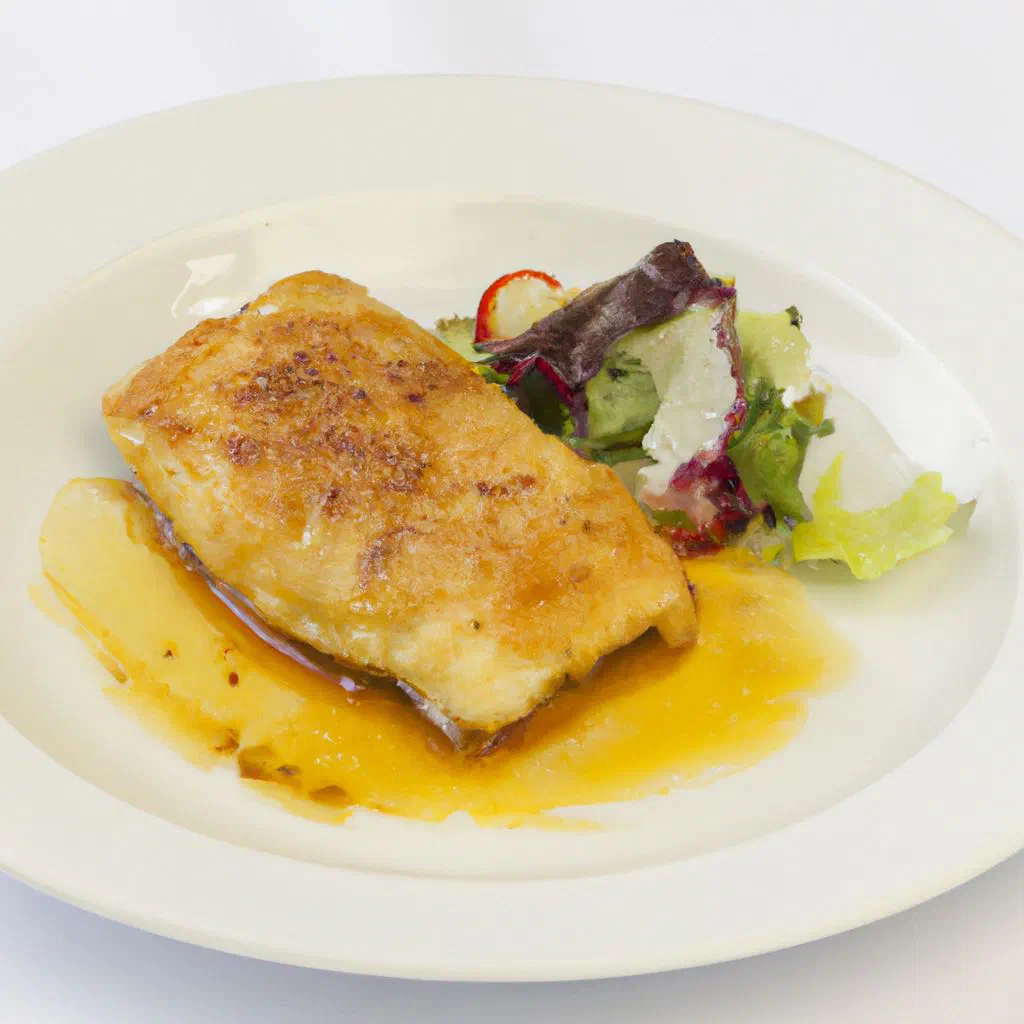
Meet Saganaki, one of Greece’s best-loved bites: a slab of cheese fried until it wears a crisp, golden crust while staying meltingly soft within. Named after the small two-handled pan it is cooked in, this simple little dish delivers an outsized hit of flavour. Finished with a squeeze of fresh lemon and a grind of black pepper, it is the kind of appetiser that turns any gathering into a celebration, Greek hospitality served straight from the pan.
About Saganaki
Saganaki is a quintessentially Greek dish, celebrated for its understated elegance and its rich, savoury flavour. The name comes from the special pan it is traditionally cooked in, the saganaki pan. What makes this national favourite so memorable is its unique treatment of cheese: the slices are first dredged in flour, then fried in hot oil until they develop a crisp, golden crust. The molten, warm centre offers a delicious contrast to that crackling exterior, making saganaki a memorable experience for the palate.
Ingredients (serves 1–2)
- 200 g cheese (traditionally kefalograviera, kefalotyri or halloumi)
- Flour, for dredging
- Olive oil, for frying
- 1 lemon
- Black pepper
Shopping for the ingredients
Choosing the right cheese is the single most important factor in an authentic saganaki. Greek delicatessens and well-stocked supermarkets often carry a selection of traditional varieties, so taste a few samples if you can to find your favourite. The key is to pick a cheese that holds up well to heat and forms a lovely crust rather than spreading into a puddle. Many of these classic Greek cheeses can also be ordered online if your local shops fall short.
Preparing the dish
Before you start, the cheese should be well chilled and firm so that it dredges easily and keeps its shape. Leave the lemon at room temperature, on the other hand, as it will give up its juice far more readily that way. With everything to hand, the actual cooking takes only minutes.
Step-by-step instructions
- Cut the cheese into slices around 2 cm thick.
- Turn the slices gently in the flour until they are evenly coated.
- Tap off any excess flour.
- Heat the olive oil in a saganaki pan or an ordinary frying pan.
- Add the floured cheese and fry until golden brown on both sides.
- Transfer the cheese to a plate and drizzle straight away with fresh lemon juice.
- Season to taste with freshly ground black pepper.
Gluten-free / lactose-free version
Saganaki is easy to adapt for special diets. For a gluten-free version, simply dredge the cheese slices in cornflour or ground almonds instead of wheat flour, which gives an equally crisp finish. Making it fully lactose-free is trickier, since cheese is the star, but seek out a hard, low-lactose variety or a plant-based block designed for frying. That way more guests can share in this golden treat without worry.
Tips for vegans and vegetarians
Saganaki is naturally vegetarian, which makes it a brilliant addition to any meat-free spread. For a vegan take, look for a firm plant-based cheese that browns and holds its shape under heat, then dredge and fry it in exactly the same way. Pair it with seasonal vegetables, olives and warm bread to build a generous meze table that everyone at the table can enjoy.
More tips and tricks
If your cheese melts too quickly and starts to spread, pop the slices into the freezer for a few hours before dredging. They will keep their shape far better in the pan. Keep the heat moderate rather than fierce, too, so the outside does not scorch before the inside turns soft and gooey. A truly hot pan and a swift flip are the secrets to that signature golden crust.
Adapting the recipe to your taste
Saganaki takes happily to personal touches. For a spicier note, rub the cheese with oregano or a little chilli before dredging. Scattering fresh herbs over the top straight after frying lends an individual character, while a drizzle of honey gives a sweet-and-savoury twist that is popular across Greece. Small adjustments like these let you make the dish entirely your own.
Ingredient substitutions
If you cannot track down the traditional Greek cheeses, firm mozzarella or feta make decent stand-ins, much as they do in a Tomato Salad with Feta. For the gluten-free crust, swap the wheat flour for cornflour or ground almonds. Substitutions such as these help you adapt the recipe to whatever is available without losing the heart of the dish.
Drink pairing ideas
Saganaki is traditionally served with ouzo, the aniseed spirit that is so closely tied to Greek meze culture and to a relaxed plate of Tsipouro Meze. If you prefer something gentler, a crisp dry white wine works beautifully, as does a simple glass of chilled water with a slice of lemon. Each cuts through the richness of the fried cheese and keeps the palate fresh.
Serving and presentation ideas
Serve saganaki on a warm plate and garnish with a freshly cut wedge of lemon. A few small olives and a sprig of rosemary or thyme add colour and aroma, while a basket of warm bread invites everyone to dig in. As part of a wider Greek cuisine spread, it sits comfortably alongside dips such as Tzatziki with Mint for a generous, convivial table.
A bit of history
The story of saganaki is bound up with Greek hospitality and the tradition of gathering together. Often shared in lively company, the dish is a symbol of the warmth and togetherness that Greek culture holds so dear. The cheese itself, with its long history and deep significance in the Greek kitchen, is a culinary heirloom passed down from one generation to the next. Every sizzling slice a small celebration of belonging.
More recipe ideas
Summary: Saganaki
Saganaki is a traditional Greek dish that wins everyone over with its crisp exterior and molten centre. It is perfect as a starter or as part of a meze table, and it adapts easily to different cheeses, garnishes and sides to suit individual tastes. Quick to make yet endlessly satisfying, this golden classic brings a little of Greece’s warmth and flavour to any meal, give it a try and let your taste buds decide.