National Dish Greece: Stafidopita (Recipe)
In this article
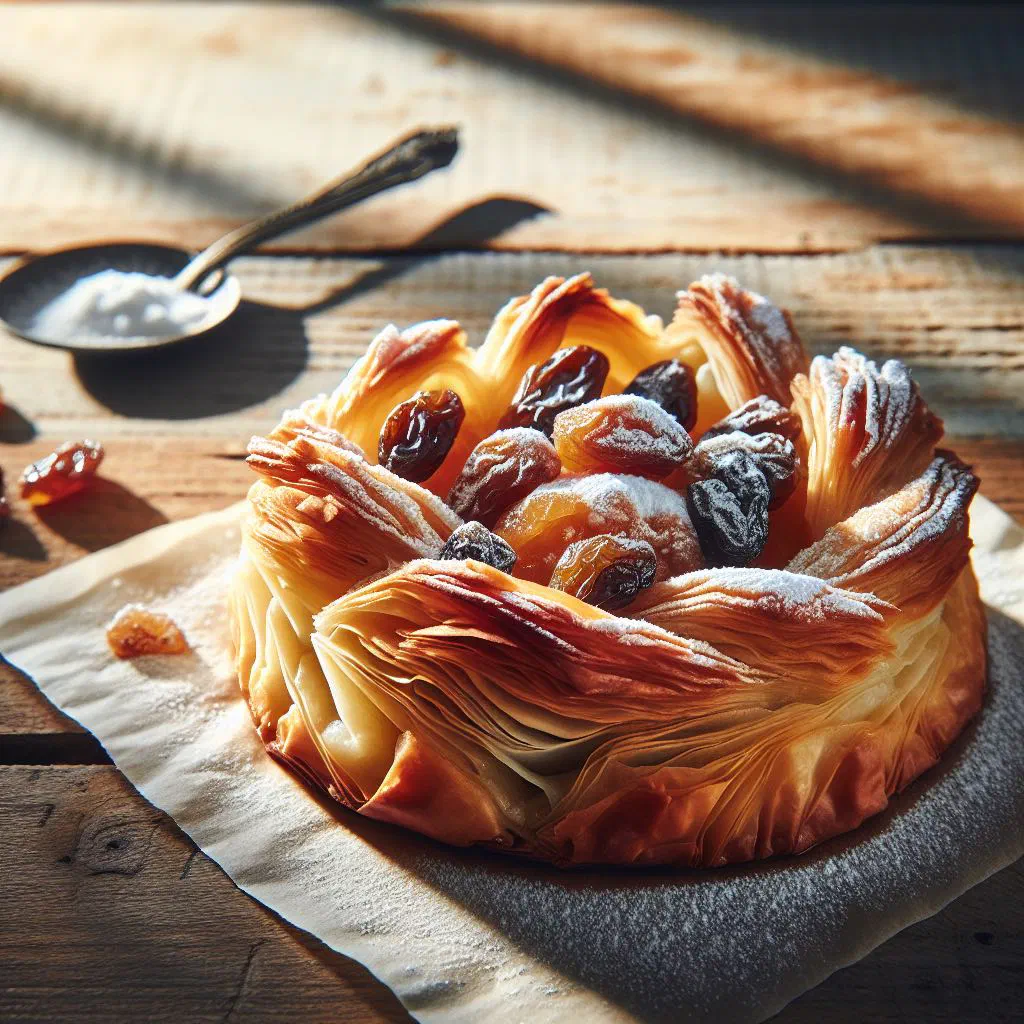
Discover Stafidopita, a beloved Greek bake that brings together a tender, fluffy crumb, plump raisins and the warm fragrance of cinnamon. Traditionally served alongside a strong coffee or as a gentle little dessert, it is the kind of homely cake that turns an ordinary afternoon into something special. With the right batter and a steady bake, you can enjoy a slice of authentic Greek baking tradition without ever leaving your kitchen.
About Stafidopita
Stafidopita is a traditional Greek bake that wins everyone over with its sweet raisins and the comforting aroma of cinnamon. In many households it is served with coffee or offered as a small dessert at the end of a meal. The secret to a good stafidopita lies in a well-balanced batter that rises evenly and bakes through without turning dense or soggy. Get those basics right and the cake comes out wonderfully moist yet light, exactly the way it is meant to be enjoyed.
Ingredients (serves 1–2)
- 2 eggs (medium)
- 100 g sugar
- 100 ml vegetable oil (such as sunflower oil)
- 150 ml milk (or orange juice for a fruity note)
- 250 g plain flour
- 1 sachet baking powder (about 15 g)
- 1 tsp ground cinnamon
- 1 pinch of salt
- 150 g raisins
- Optional: 1 tsp vanilla extract or vanilla sugar
- Optional: 1 tsp lemon or orange zest
- Optional: 30–50 g chopped walnuts
Shopping for the ingredients
For a successful stafidopita it is well worth seeking out good-quality raisins. They should be soft and aromatic so they do not dry out during baking. Flour, baking powder, sugar and spices are easy to find and most of us keep them in the cupboard anyway. If you fancy it, pick up some orange juice or a little citrus zest as well. They lend the cake a pleasantly Mediterranean lift, much like the bright flavours you will find across Greek cuisine.
Preparing the dish
Lay out all your ingredients and preheat the oven in good time. You can briefly soak the raisins in hot tea or orange juice so they stay especially juicy, then drain them thoroughly before use. For a clean result, line or generously grease your tin so the stafidopita releases easily once baked.
Step-by-step instructions
- Preheat the oven to 175°C (conventional) and grease a tin (about 20 cm) or line it with baking paper.
- Optionally soak the raisins in hot tea or orange juice for 10 minutes, then drain well and toss them with 1 tbsp flour.
- Whisk the eggs and sugar for 2–3 minutes until pale and creamy.
- Stir in the oil and milk (or orange juice), adding vanilla and citrus zest if using.
- Combine the flour, baking powder, cinnamon and salt, then fold in briefly until you have a smooth batter.
- Gently fold through the raisins (and walnuts, if using).
- Pour the batter into the tin and smooth the top.
- Bake for about 40–55 minutes depending on the depth of your tin. Check with a skewer.
- Let the cake cool for 10–15 minutes, then turn it out and leave to cool completely.
Gluten-free / lactose-free version
For a gluten-free stafidopita, use a gluten-free flour blend suited to cakes. Adding 1 tsp psyllium husk or another binder from the gluten-free baking aisle often helps to keep the batter stable. For a lactose-free version, simply swap the milk for lactose-free milk or a plant-based alternative such as oat or almond milk. Either way the recipe stays uncomplicated and suits a wide range of diets.
Tips for vegans and vegetarians
This recipe is already vegetarian. To make it vegan, replace the eggs with apple purée or a flax egg: for each egg, mix 1 tbsp ground flaxseed with 3 tbsp water and leave it to thicken for 10 minutes. Use plant-based milk and double-check that your baking powder and sugar are vegan. The crumb turns out a touch more compact but stays pleasantly moist.
More tips and tricks
To stop the stafidopita from becoming too wet, always drain the soaked raisins thoroughly. It is also important not to overmix the batter once the flour and baking powder go in, as too much stirring makes the cake heavy. Bake it a little longer at a moderate temperature rather than too hot and too quickly. If you like, dust the finished cake with icing sugar or serve it with a dollop of yoghurt.
Adapting the recipe to your taste
Stafidopita lends itself beautifully to variation. A little lemon or orange zest adds a fresh, fragrant edge, while chopped walnuts or almonds give it a nuttier bite. For a deeper spice note, try a pinch of nutmeg or a hint of cardamom. The sweetness is easy to adjust too: less sugar makes the cake milder, while a spoonful of honey or syrup brings a gentle caramel character.
Ingredient substitutions
Instead of raisins you can use other dried fruit such as cranberries, chopped dates or finely diced apricots. The milk swaps easily for orange juice, which pairs especially well with cinnamon, the same warm spice that runs through many a Greek dessert like Galatopita. If you would rather skip the oil, use melted butter or plant-based margarine instead, which makes the cake a little richer and more aromatic.
Drink pairing ideas
Classic companions such as coffee, cappuccino or black tea suit stafidopita perfectly. For a more Mediterranean touch, serve a Greek mountain tea or a mild herbal infusion. A glass of orange juice or a lightly sweet dessert wine also works beautifully with the raisins and cinnamon. Round things off with a few honey-soaked Loukoumades if you are in the mood for a fuller sweet spread.
Serving and presentation ideas
Serve stafidopita on a pretty cake plate, lightly dusted with icing sugar. A few fresh orange slices or a small bowl of yoghurt alongside look especially appetising. For guests, cut the cake into small pieces and arrange them decoratively on a platter. A little dusting of cinnamon on the plate adds an elegant finishing touch.
A bit of history
Stafidopita is one of Greece’s much-loved baking classics, often made with dried fruit. Raisins have long been a traditional ingredient in the sweet dishes of the Mediterranean, prized for their keeping qualities and natural sweetness. Variations differ from region to region, sometimes the cake is generously spiced, sometimes plain and simply moist. What unites them all is the marriage of humble ingredients and aromatic, comforting flavour, a hallmark shared by Greek bakes such as Karydopita.
More recipe ideas
Summary: Stafidopita
Stafidopita is a gloriously fragrant Greek raisin cake, prized for its moist yet airy crumb. With the right batter base and a sensible baking time, it comes together reliably and never turns soggy. This is the ideal bake for a cosy afternoon, and a slice of Greek baking tradition brought straight to your own home.