National Dish Greece: Stamnagathi (Recipe)
In this article
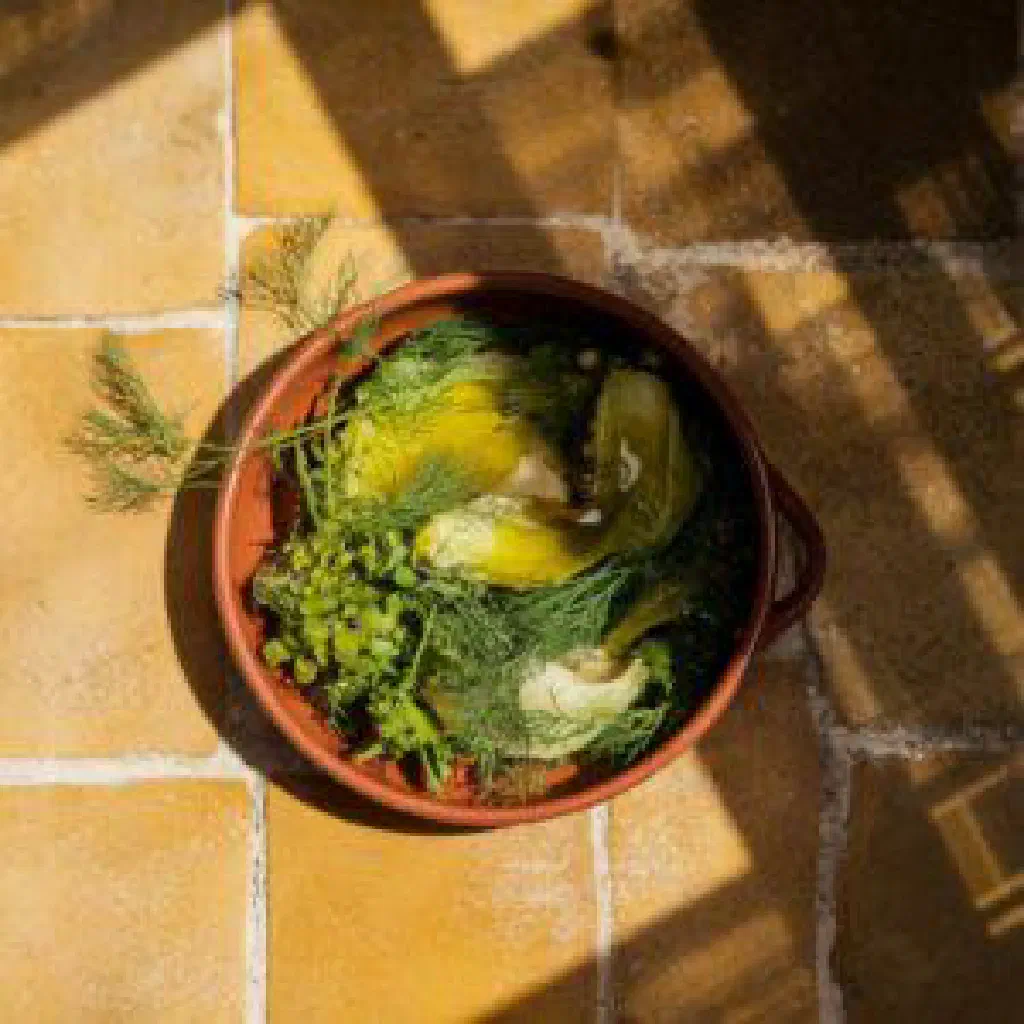
Meet Stamnagathi, one of Greece’s most cherished wild greens and a quiet star of the Mediterranean table. Foraged from the rocky Cretan hillsides, this tender, faintly bitter green is dressed simply with golden olive oil, a squeeze of bright lemon and a little garlic. Nothing more is needed. It is rustic, wholesome eating at its very best, the kind of dish that connects you straight to the Greek countryside.
About Stamnagathi
Stamnagathi has a distinctive, gently bitter taste that lends a special character to any dish it appears in. This green grows abundantly in the wild and is one of the many plants held in high regard within Greek food culture. Its use in traditional cooking also carries a real cultural significance, as it is closely bound up with Greek history. On top of that, it is a valuable source of nutrients and rich in antioxidants, offering a host of health benefits.
Ingredients (serves 1–2)
- 200 g fresh stamnagathi
- 2 cloves garlic
- 2 tablespoons olive oil
- Salt and pepper, to taste
- Juice of 1 lemon
Shopping for the ingredients
When shopping for stamnagathi dishes, it is important to look out for the freshness and quality of your ingredients. Fresh stamnagathi is usually available in Greek or Mediterranean grocers, and it can also be found at farmers’ markets. Make sure the leaves are crisp and lively, with no brown patches. The other ingredients, such as olive oil and lemon, should be of the best quality too, to lift the flavour of the finished dish.
Preparing the dish
Before you begin cooking, thorough preparation is essential. Wash the stamnagathi well under running water to remove any grit or insects. Trim away the tough stalks and use only the tender leaves and shoots. Chopping the garlic in advance is also worthwhile, so its aromas come through at their best. Careful groundwork is the key to a successful dish.
Step-by-step instructions
- Blanch the stamnagathi in a pan of boiling water for 2–3 minutes.
- Drain the blanched greens in a sieve and refresh under cold water.
- Heat the olive oil in a frying pan and add the chopped garlic.
- Add the stamnagathi to the pan and toss everything together well.
- Season with salt, pepper and lemon juice, then sauté for a few minutes.
Gluten-free / lactose-free version
Stamnagathi is naturally gluten-free and lactose-free, which makes it an excellent option for anyone with particular dietary needs. No additional ingredients containing gluten or lactose are required at all. Just make sure that anything else you add is likewise free from gluten and lactose, so the dish suits your needs perfectly. That way, all the pleasures of Mediterranean cooking can be enjoyed without any health concerns.
Tips for vegans and vegetarians
The recipe for stamnagathi is already vegan and perfectly suited to vegetarians. It can be served as a side or a main and offers a flavourful choice for anyone who prefers plant-based eating. An extra protein source, such as chickpeas or tofu, can be added to boost the nutritional profile, much like the pulses that anchor Revithokeftedes. Experiment with further spices and herbs to give your dish a personal touch.
More tips and tricks
To get the very most out of your stamnagathi dish, a few tips and tricks are worth keeping in mind. A scattering of pecorino or feta over the finished plate can round off the flavour beautifully. Adding toasted nuts or seeds in the final stage of cooking lends extra crunch and nourishment. Experiment with different cooking methods, such as grilling or steaming, to vary the aromas and textures.
Adapting the recipe to your taste
Adapting the stamnagathi recipe to your personal preferences is easy. You can add various spices or herbs to intensify the flavour. Anyone who likes a little heat can throw in chilli flakes, while those who favour sweeter notes might use a touch of honey or agave syrup. The recipe’s flexibility lets you shape and vary it exactly as you wish.
Ingredient substitutions
If you do not have certain ingredients to hand, there are a few handy alternatives to fall back on. In place of stamnagathi, you can use other leafy greens such as rocket or spinach, the same green-forward spirit found in Spanakorizo. Garlic powder works as a stand-in for fresh garlic, though fresh cloves are superior in flavour. As for olive oil, rapeseed or sunflower oil will do, even if this shifts the Mediterranean taste a little.
Drink pairing ideas
To accompany your stamnagathi dish, a few drink pairings come highly recommended. A fresh Greek wine, such as Retsina or a lively rosé, complements the flavours perfectly, as it does alongside a glass of Tsipouro Meze. A refreshing herbal tea or a lemon lemonade can be a wonderful choice too. Just make sure the drink is not too sweet, so it does not mask the green’s pleasantly bitter edge.
Serving and presentation ideas
The presentation of your stamnagathi dish can make all the difference to the overall eating experience. A simple yet elegant arrangement on a handsome plate can work wonders. Garnish the dish with fresh herbs or a slice of lemon to add colour and freshness. An appealing presentation awakens the senses and makes the meal all the more enjoyable.
A bit of history
Stamnagathi has a history in Greek culture that reaches all the way back to antiquity. For centuries, the Greeks have gathered and made use of wild plants to enrich their cooking. These culinary traditions are testament to the Greeks’ deep respect for nature and its resources. Stamnagathi is an important foodstuff and a symbol of the close bond between people and their environment, a hallmark of Greek cuisine.
More recipe ideas
Summary: Stamnagathi
Stamnagathi is a true jewel of Greek cuisine, offering countless culinary possibilities. Whether as a side, in salads or in stews, this green lets us savour the flavours of the Mediterranean diet. Thanks to its simple preparation and its adaptability to different dietary needs, this recipe is ideal for any food lover. Discover the fascinating world of stamnagathi and let its versatility win you over.