National Dish Greece: Taramasalata (Recipe)
In this article
Discover Taramasalata, one of Greece’s most cherished meze classics. This silky fish roe dip blends the briny depth of cured roe with bright lemon juice and fruity olive oil into something wonderfully creamy. Light yet full of character, it captures the easy elegance of Mediterranean cooking in a single spoonful. Scooped up with warm bread or pita, it brings a taste of the Greek table straight to your own kitchen.
About Taramasalata
Taramasalata, a delicate purée of fish roe, is one of the many culinary treasures Greece has to offer. This national dish embodies the simplicity and aroma of Mediterranean cuisine, where a handful of good ingredients are coaxed into something memorable. It is often served as part of a meze, the selection of small dishes traditionally offered at the start of a Greek meal, much like a punchy Tzatziki with Mint.
Ingredients (serves 1–2)
- 100 g tarama (salted and smoked fish roe)
- 150 ml olive oil
- The juice of one lemon
- 1 slice of white bread, crusts removed
- Optional: 1–2 cloves of garlic
- 1–2 tablespoons milk (if needed)
Shopping for the ingredients
Good-quality tarama is best found at delicatessens or fish markets. Look for fresh, pale-coloured roe, as the colour is a reliable sign of quality. For the olive oil, it is well worth choosing a fine cold-pressed bottle, since it has a decisive influence on the aroma of the finished dish. A trip to a Greek or Mediterranean grocer will usually turn up everything you need.
Preparing the dish
Soak the white bread in water and squeeze it out thoroughly before using it. This keeps the dip from turning watery and helps it set to a luscious, spoonable consistency. Have your lemon juiced and your olive oil measured and ready, so you can add it in a steady stream while blending.
Step-by-step instructions
- Soak the white bread in a little water, then squeeze it out thoroughly.
- Put the tarama, the bread and the optional garlic into a blender and blitz to a coarse purée.
- With the motor still running, slowly pour in the olive oil until you have a smooth, homogeneous mixture.
- Stir through the lemon juice and check the consistency, adding a little milk if needed.
- Taste and adjust with extra lemon juice or olive oil to balance the flavour.
- Chill in the fridge for a few hours before serving.
Gluten-free / lactose-free version
Taramasalata is easy to make gluten-free and lactose-free. Simply swap the white bread for a gluten-free loaf or, better still, a little boiled potato, which gives a beautifully smooth body without any wheat. As the recipe contains no butter or cream, the dip is naturally suited to a lactose-free diet. Just leave out or replace the optional splash of milk with a plant-based alternative. That way everyone can enjoy it without compromise.
Tips for vegans and vegetarians
As a fish roe dip, classic taramasalata is not vegetarian or vegan, but the bright, lemony spirit of the dish is easy to recreate. For a plant-based version, blend soaked bread or boiled potato with olive oil, lemon juice and a pinch of seaweed flakes or a splash of brine to echo that briny note. Vegetarians who eat fish products may keep the traditional roe, while those who don’t will find a chickpea purée such as Revithokeftedes makes a fine meze alternative.
More tips and tricks
Don’t over-blend the mixture, as too much time in the blender warms the dip and can cause the olive oil to split and the mass to separate. Add the oil slowly and in a thin stream to build a stable emulsion. If the dip does break, a spoonful of soaked bread blitzed back in will usually bring it together again. A short rest in the fridge also firms up the texture nicely.
Adapting the recipe to your taste
Taramasalata is wonderfully easy to tailor to personal preference. If you are not a fan of garlic, simply leave it out for a milder, more delicate result. For a lighter version you can replace part of the olive oil with water, which softens the richness without losing the signature flavour. Adjust the lemon to taste, more for a zingy, sharper dip, less for a mellower finish.
Ingredient substitutions
If certain ingredients are not to hand, there are plenty of creative alternatives. With no tarama available, cod roe makes an excellent stand-in and is often easier to source. For a gluten-free version, swap the white bread for gluten-free bread or boiled potatoes, which also lend an extra-velvety texture. A drizzle of the same good olive oil that enriches dishes across Greek cuisine ties everything together beautifully.
Drink pairing ideas
Taramasalata harmonises beautifully with a fresh, dry white wine or a light rosé, whose crisp acidity cuts through the richness of the dip. A chilled glass of ouzo over ice is a wonderfully authentic choice and brings out the briny, lemony notes. For a non-alcoholic option, sparkling water with a squeeze of lemon keeps the palate lively between mouthfuls, much as it would alongside a plate of Kalamarakia Tiganita.
Serving and presentation ideas
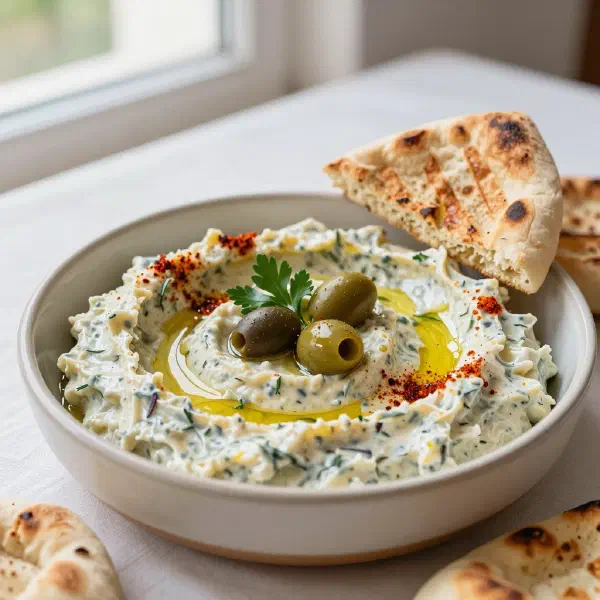
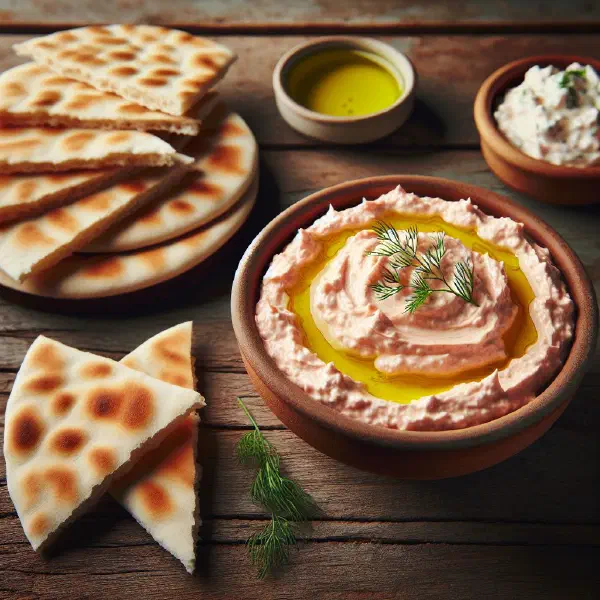
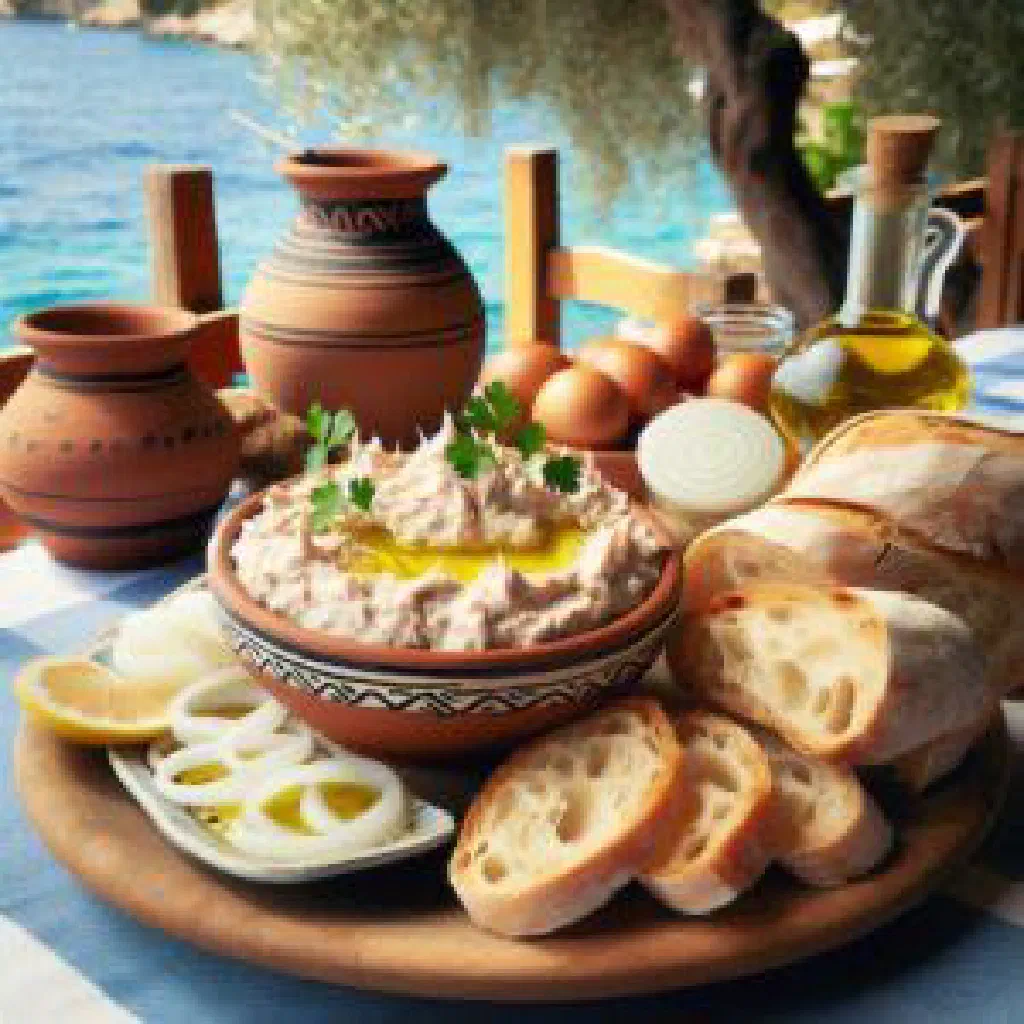
Serve taramasalata in an attractive bowl, garnished with a swirl of olive oil, a slice of lemon and a scattering of fresh herbs. Fresh bread or warm pita is the natural partner for scooping, while a few olives and crisp vegetable sticks round out the spread. Arranged on a meze platter, it looks especially inviting next to other small plates and turns a simple snack into a generous shared feast.
A bit of history
The origins of taramasalata reach back to Byzantine times, and the dish reflects Greece’s long tradition of fishing and preservation. Salting and smoking roe was once a practical way to make the bounty of the sea last, and over the centuries that humble preserve was transformed into a refined, much-loved meze. Today it is a proud example of Greek cuisine, enjoyed across the country and well beyond its shores.
More recipe ideas
Summary: Taramasalata
Taramasalata is a highlight of Greek cuisine, winning hearts with its simplicity and its richness of aroma. With the right ingredients and a little care in the preparation, you can enjoy this national dish at home, whether as part of a generous meze or as a quick, elegant snack. Let the bright, briny flavours of the Mediterranean inspire you and give it a try, your taste buds will thank you.