National Dish Greece: Tirokafteri (Recipe)
In this article
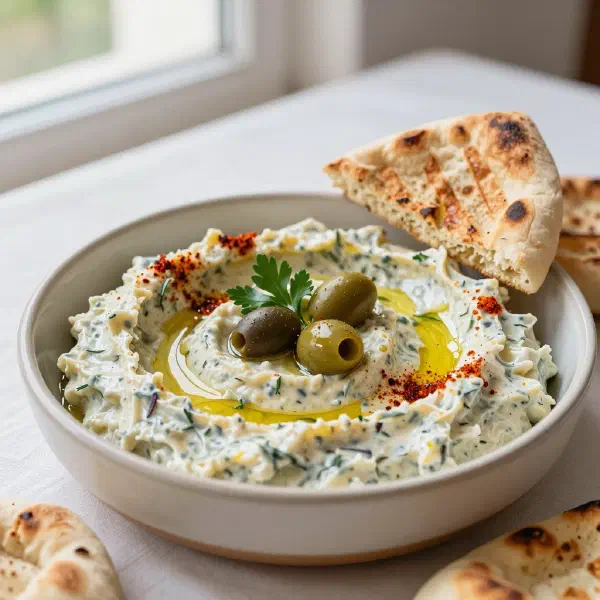
Meet Tirokafteri, the fiery feta dip that brings the warmth of the Greek table straight to your kitchen. Creamy, tangy and pleasantly spicy, this Mediterranean classic blends crumbly feta with red chillies and a generous pour of olive oil. It is the kind of dish that turns a simple gathering into a feast. Perfect spread on warm bread, scooped up with vegetable sticks, or served as part of a colourful meze spread.
About Tirokafteri
Tirokafteri is far more than a simple cheese dip. It is a flavour experience that captures the Mediterranean kitchen in all its richness. The dip hails from Greece and pairs tangy feta cheese with a gentle heat that comes mainly from red chillies. Its smooth, creamy texture makes it a wonderful choice for any occasion, whether a relaxed get-together with friends or a smart dinner party. It is endlessly versatile too, working equally well as a spread, a dip, or a component in other dishes.
Ingredients (serves 1–2)
- 200 g feta cheese
- 1–2 red chillies (depending on how hot you like it)
- 3 tablespoons olive oil
- 1–2 tablespoons lemon juice
- 1 small garlic clove (optional)
- Freshly ground black pepper
Shopping for the ingredients
When shopping for the ingredients for tirokafteri, it pays to look closely at the quality of the feta cheese. Greek feta made from sheep’s milk, or a blend of sheep’s and goat’s milk, gives the most authentic flavour. The choice of chillies matters too, fresh red ones offer heat and a lovely colour. Reach for extra-virgin olive oil to draw out the fullest, roundest taste.
Preparing the dish
Before you start making tirokafteri, make sure all your ingredients are to hand. It also helps to have a suitable food processor or blender ready so you can whip the mixture to a smooth, velvety finish. A bowl or jug with high sides is useful for keeping splashes to a minimum while you blend. Prepare some fresh bread or vegetable sticks too, so you can enjoy the dip straight away.
Step-by-step instructions
- Cut the feta cheese into smaller pieces and add it to the food processor.
- Deseed the red chillies and add them to the processor as well.
- Pour in the olive oil and lemon juice, along with the peeled garlic clove if using.
- Blend everything thoroughly until you reach a creamy consistency.
- Season to taste with freshly ground black pepper.
Gluten-free / lactose-free version
Tirokafteri is naturally gluten-free, as long as you choose the right accompaniment to serve alongside it. For a lactose-free version, simply use lactose-free feta cheese to keep the same creaminess and savoury cheese flavour without the lactose. The dip is a perfect match for vegetable sticks or gluten-free bread. That way, anyone with an intolerance can still enjoy this Mediterranean treat, much like a fresh bowl of Tzatziki with Mint.
Tips for vegans and vegetarians
For a vegan take on tirokafteri, use a plant-based feta made from cashews or almonds. This lets you keep the savoury, tangy character without using any animal products. You can also fine-tune the heat with spices such as paprika or chilli powder. With these simple swaps, vegans can enjoy this delicious dip too, a fitting partner to Revithokeftedes, the crisp Greek chickpea fritters.
More tips and tricks
To make the flavour of tirokafteri even more intriguing, try adding extra ingredients such as fresh herbs, dill or parsley work beautifully, or a little smoked paprika. A pinch of sugar can round out the taste and soften the heat a touch if you prefer. The dip keeps well in the fridge, where the flavours grow more intense over time. Just remember to give it a good stir before serving.
Adapting the recipe to your taste
Making tirokafteri leaves plenty of room for personal preference. If you like it hotter, add more chillies or even reach for other fiery spices. For a milder version, simply hold back on the chilli. The texture is just as adaptable, for an even creamier dip, stir in a little more olive oil until it reaches the consistency you love.
Ingredient substitutions
If you have no feta to hand, other cheeses such as goat’s cheese or ricotta work well when combined with the right seasonings. In place of lemon juice you could use apple cider vinegar or balsamic vinegar for an interesting twist. Experiment with different oils, too, walnut or pumpkin seed oil lend a distinctive note that enriches the dip and shows off the versatility of Greek cuisine.
Drink pairing ideas
Tirokafteri pairs wonderfully with refreshing drinks such as a classic Greek ouzo or a light white wine like an Assyrtiko. For an alcohol-free option, a citrus smoothie is an ideal choice, its fresh aromas harmonising beautifully with the dip. Alternatively, a sparkling mineral water drink with fresh herbs and lemon makes a lovely way to underline the flavour combination.
Serving and presentation ideas
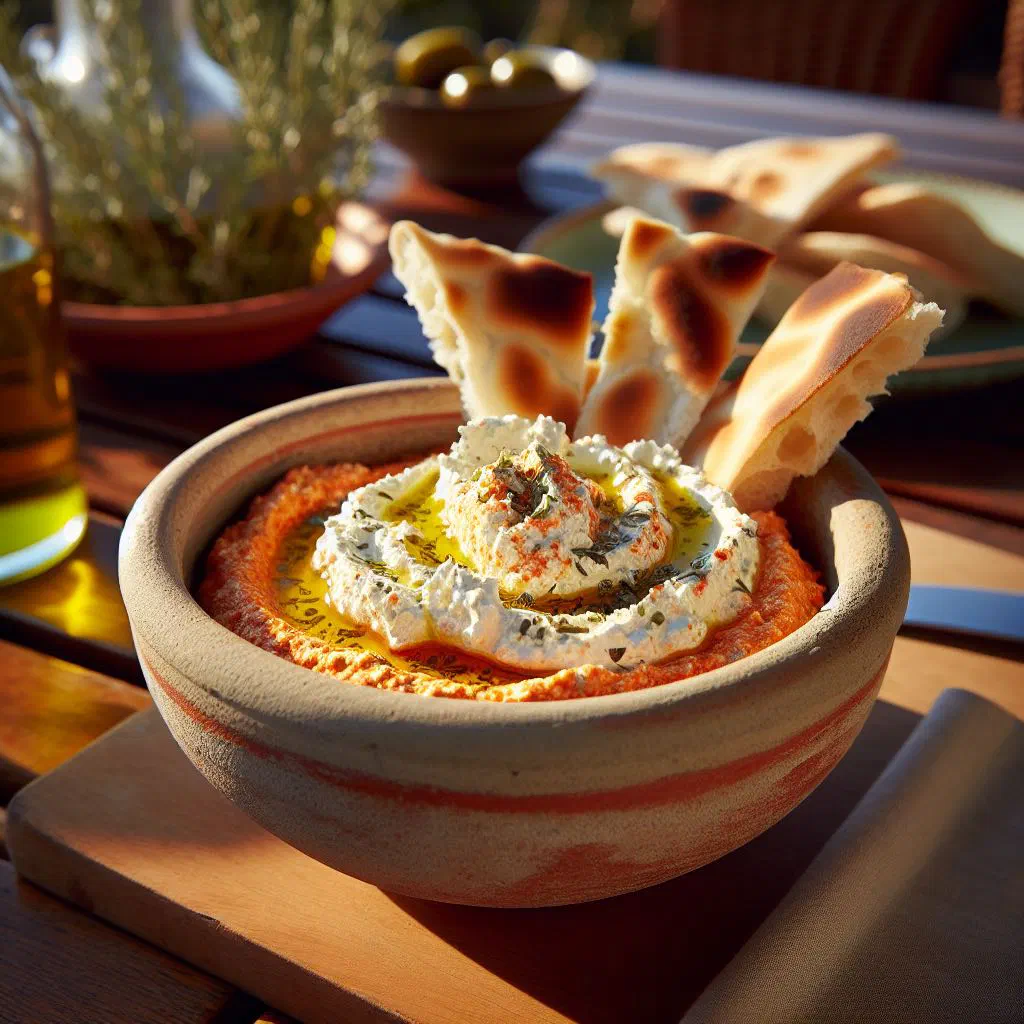
Presentation can make all the difference when it comes to showing off tirokafteri. Serve the dip in an attractive bowl and garnish it with fresh herbs or a final drizzle of olive oil. Arrange a few vegetable sticks or crackers around the rim of the dish to please the eye. A thoughtful presentation like this will pleasure your guests and build their anticipation. Just as it would for a platter of Kalamarakia Tiganita.
A bit of history
Tirokafteri has its roots in Greek cooking and is often served as part of a traditional meze, the small dishes enjoyed before a main meal. Its heat and its use of feta are typical of regional recipes that reflect the Mediterranean way of life. In Greece, this dip is frequently a sign of hospitality, served at celebrations and gatherings alike. Its story speaks to the cultural heritage and culinary diversity of the country.
More recipe ideas
Summary: Tirokafteri
In short, tirokafteri is an indispensable part of Greek cooking. With its blend of feta, chillies and other fresh ingredients, this dip brings flavour to the table and a slice of culture. A dip or a side, it wins everyone over with its versatility and its unmistakable taste. Experiment with the recipe and adapt it to your own preferences, so that you and your guests can savour this Mediterranean classic together.