National Dish Greece: Trahana Soup (Recipe)
In this article
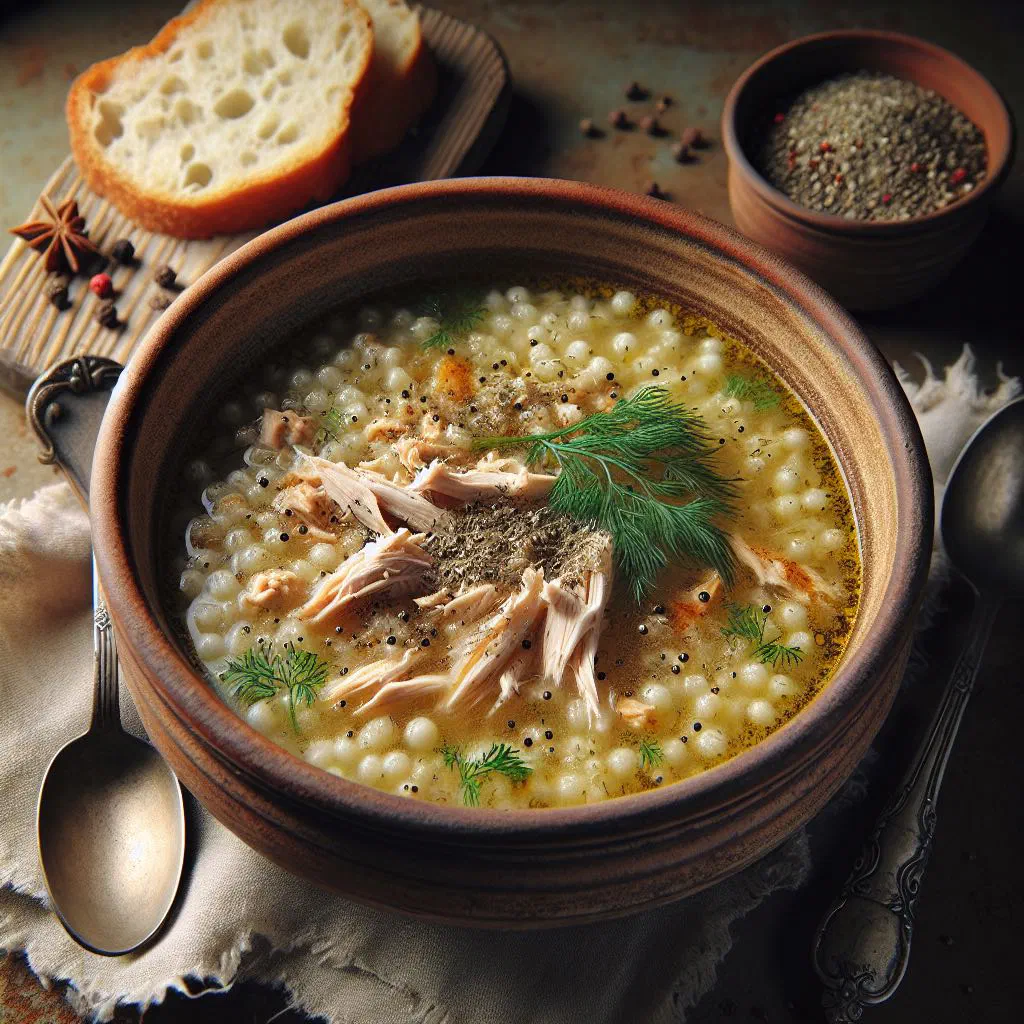
Warm up a cold winter’s day with Trahana Soup, one of Greece’s most comforting traditional dishes. Built around trahana, a tangy, fermented blend of cracked wheat and yoghurt, this nourishing bowl simmers gently with fresh vegetables and herbs until rich and satisfying. Simple, rustic and deeply flavourful, it is the kind of soup that has warmed Greek kitchens for generations. Bring a little of that homely Mediterranean comfort to your own table.
About Trahana Soup
Trahana Soup is a traditional Greek dish prized as much for its outstanding flavour as for its sheer simplicity. At its heart is trahana, made from fermented durum wheat semolina and yoghurt, which lends the soup its distinctive tangy character. Combined with fresh vegetables and warming spices, the result is a hearty and nourishing dish that is perfectly suited to the colder months of the year. A bowl of trahana is far more than mere sustenance. It is a piece of Greek culture that carries with it real warmth and a sense of comfort.
Ingredients (serves 1–2)
- 100 g trahana
- 750 ml water or stock
- 1 medium onion, diced
- 1–2 carrots, diced
- 1 small courgette, diced
- Salt and pepper, to taste
- Olive oil, for frying
- Fresh herbs (such as parsley or dill), to garnish
Shopping for the ingredients
To make a truly delicious trahana soup, choose ingredients that are fresh and of good quality. Trahana is widely available in Greek grocers or online, so it is worth seeking out the authentic version. Pick a good stock or fresh vegetables, as these make a real difference to the depth of flavour in the finished soup. Fresh herbs matter too, rounding off the dish and giving it that extra little lift. Many of the supporting vegetables, much like those used in Spanakorizo, are easy to find at any market stall.
Preparing the dish
Preparing trahana soup could hardly be simpler. Begin by washing, peeling and chopping all the vegetables into even dice so they cook through at the same rate. While you work, set a large pot over medium heat to warm the olive oil ready for the onion and vegetables. These small preparations are key to drawing out the full, well-rounded flavour of the soup.
Step-by-step instructions
- Heat the olive oil in a large pot.
- Add the diced onion and fry until golden.
- Stir in the carrots and courgette and sauté for a few minutes.
- Add the trahana and stir everything together well.
- Pour in the water or stock and bring the mixture to the boil.
- Reduce the heat and let the soup simmer for about 15–20 minutes, until the trahana is soft.
- Season the soup to taste with salt and pepper.
- Garnish with fresh herbs just before serving.
Gluten-free / lactose-free version
Trahana soup is easily made gluten-free by using a gluten-free trahana made from rice or maize. This way, anyone with coeliac disease or a gluten intolerance can still enjoy this delicious dish. For a lactose-free version, simply make sure to use lactose-free yoghurt where it forms part of the recipe. With these small swaps, everyone can savour the soup regardless of any dietary restrictions.
Tips for vegans and vegetarians
There are easy adjustments to make trahana soup suitable for vegans. Instead of meat-based stock, use vegetable stock or plain water to keep the flavour full and satisfying. You can also vary the vegetables as you please, adding seasonal produce such as pumpkin or peppers. This makes the dish tasty and wonderfully nourishing, something that matters greatly in a plant-based diet.
More tips and tricks
To make your trahana soup even more sustaining, try adding pulses such as lentils or beans. These boost the protein content and make the soup more filling still. A pinch of cinnamon or a little grated cheese can also introduce an intriguing new note. Experiment with different herbs and spices to create a version that is entirely your own.
Adapting the recipe to your taste
Trahana soup is an extremely flexible dish that adapts readily to personal taste. If you love sharper flavours, add a touch of chilli or paprika. For a more Mediterranean character, olives or feta work beautifully. By trying out different vegetables you can vary the recipe to your heart’s content and discover new flavours each time.
Ingredient substitutions
If you find yourself short of a few ingredients, there are plenty of alternatives for making trahana soup. In place of carrots, for instance, you could use sweet potatoes for a gentler sweetness. Courgette can be swapped for aubergine to lend a more robust, savoury flavour, the same hearty approach you’ll find in a dish like Zucchini Briam. Substitutions like these make the dish more interesting and more creative to prepare.
Drink pairing ideas
To accompany trahana soup, light and refreshing drinks are the way to go. A cheerful Greek red wine pairs wonderfully with the soup’s savoury notes. Alternatively, you could offer freshly squeezed lemon juice or a herbal tea to harmonise the flavours. A refreshing lemonade also makes a welcome addition to the table.
Serving and presentation ideas
Presenting your trahana soup can be just as important as preparing it. Serve the soup in handsome deep plates or bowls and garnish with fresh herbs and a drizzle of olive oil. A crusty piece of bread or warm pita at the edge of the plate, such as a slice of Skordopsomo, lifts the presentation further. Little touches like these make any meal both tastier and more inviting to the eye.
A bit of history
Trahana soup has its roots in traditional Greek cooking and has been prepared for centuries. It was originally devised as a way to preserve grain and milk for longer, providing a nourishing meal through the cold winter months. In rural areas it was common for families to gather and make the soup in large batches. In doing so they prepared the food itself and shared a sense of community and tradition, values that still run through Greek cuisine today.
More recipe ideas
Summary: Trahana Soup
Trahana soup is a simple yet remarkably flavourful dish that adapts easily to personal taste. With its hearty, nourishing ingredients it is an ideal companion for cold days. The possibilities are endless. It is a piece of Greek culture, one that can enrich any kitchen it finds its way into.