National Dish Greece: Tzatziki (Recipe)
In this article
Cool, creamy and wonderfully refreshing, Tzatziki is one of Greece’s most-loved contributions to the table. Made from thick Greek yoghurt, grated cucumber, garlic and a generous splash of olive oil, it brings a bright, tangy lift to grilled meats, warm pita and crisp salads alike. Quick to whip up and impossible not to love, this classic dip carries the sunny, herb-scented spirit of the Mediterranean straight into your kitchen.
About Tzatziki
Tzatziki is a traditional Greek dish enjoyed across every region of the country, prized for being light, healthy and full of flavour. At its heart is a simple blend of yoghurt, cucumber, lemon juice, garlic, olive oil and seasoning that comes together in minutes. It holds a special place in Greek dining, where it is served as a side, a dip or a quick snack. Smooth and tangy, it pairs beautifully with almost any savoury meal and is a staple of the Greek mezze spread.
Ingredients (serves 1–2)
- 250 g Greek yoghurt
- 1 medium cucumber, peeled and finely grated
- 2 cloves garlic, finely chopped
- 2 tablespoons olive oil
- Juice of half a lemon
- 1 teaspoon salt
- 1 teaspoon freshly ground black pepper
- 1 teaspoon ground cumin
Shopping for the ingredients
When shopping for tzatziki, it is worth sourcing your yoghurt, olive oil and seasonings from Greek producers where possible. The yoghurt should be thick and creamy, while the olive oil ought to be fresh and fragrant for the best result. Buy your spices whole and grind them fresh to capture the fullest aroma. Choose a firm, just-picked cucumber too, as freshness makes all the difference in such a simple dish.
Preparing the dish
Start by peeling the cucumber and grating it finely, then chop the garlic as small as you can. Set the yoghurt and the measured seasonings to one side so everything is within easy reach. With your ingredients prepped and ready, the dip itself takes only moments to mix.
Step-by-step instructions
- Tip all the ingredients into a single mixing bowl.
- Add the yoghurt, grated cucumber, garlic, olive oil, lemon juice, salt, pepper and cumin, then stir until well combined.
- Taste the mixture and adjust the seasoning to your liking.
- Spoon into a bowl, cover, and chill in the fridge for at least one hour so the flavours can mingle.
- Taste once more before serving and add a little extra seasoning if needed.
Gluten-free / lactose-free version
Tzatziki is naturally gluten-free, so it suits anyone avoiding gluten with no changes at all. Just be sure to serve it with gluten-free bread or crudités. For a lactose-free version, simply swap the dairy yoghurt for a thick lactose-free or plant-based alternative, choosing one with a similarly creamy texture. That way every guest can enjoy this fresh, tangy dip without compromise.
Tips for vegans and vegetarians
Tzatziki is already vegetarian, and it is easy to make fully vegan as well. Replace the dairy yoghurt with a vegan yoghurt or a soft cheese-style alternative, and use a plant-based oil in place of olive oil if you prefer. If fresh garlic is awkward to source, a little garlic powder works in its place. With these small swaps, the dip stays just as creamy and satisfying. For more plant-forward ideas, try the chickpea-rich Revithokeftedes.
More tips and tricks
For the best tzatziki, squeeze the grated cucumber in a clean cloth to remove excess water so the dip stays thick rather than runny. Letting it rest in the fridge for an hour or more allows the garlic and lemon to soften and meld. A final drizzle of olive oil over the top just before serving adds richness and a glossy finish. Taste as you go and tweak the lemon and salt to strike your perfect balance.
Adapting the recipe to your taste
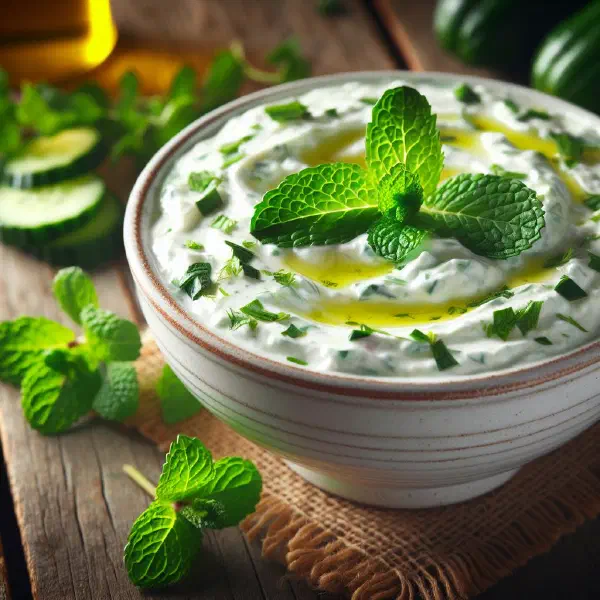
Tzatziki is wonderfully easy to make your own. Add an extra clove of garlic for a punchier dip, or hold back for a milder, gentler flavour. Stir through chopped fresh herbs such as dill or mint for a fragrant twist, much like the herb-flecked Tzatziki with Mint. Adjust the lemon and seasoning to suit your palate and you will have a version that fits your taste exactly.
Ingredient substitutions
If certain ingredients are not to hand, there are plenty of simple alternatives. Swap the dairy yoghurt for a plant-based one to keep things vegan, or use a milder oil in place of olive oil. Where fresh garlic is unavailable, garlic powder steps in nicely, and a dash of vinegar can stand in for lemon juice if needed. Substitutions like these let you adapt the recipe to whatever you have in the kitchen.
Drink pairing ideas
Tzatziki pairs beautifully with a range of refreshing alcohol-free drinks. Fresh fruit juices such as orange or pineapple work particularly well, their sweetness balancing the dip’s tang. A cup of strong Greek coffee is another lovely match, while sparkling water with a slice of lemon keeps things light and clean alongside a mezze platter.
Serving and presentation ideas
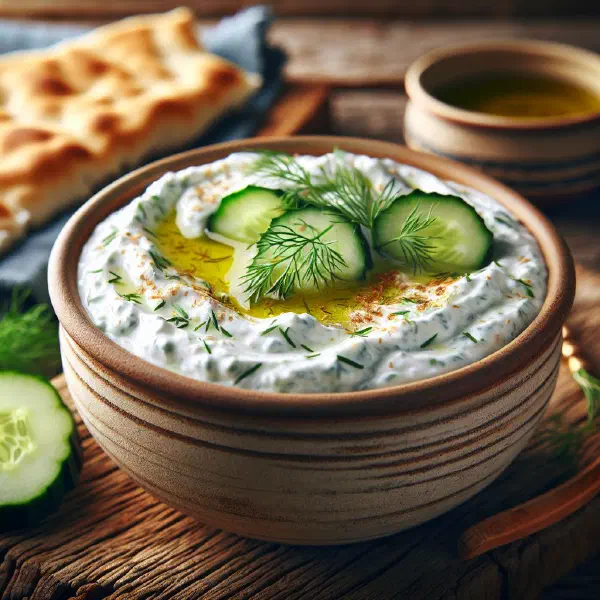
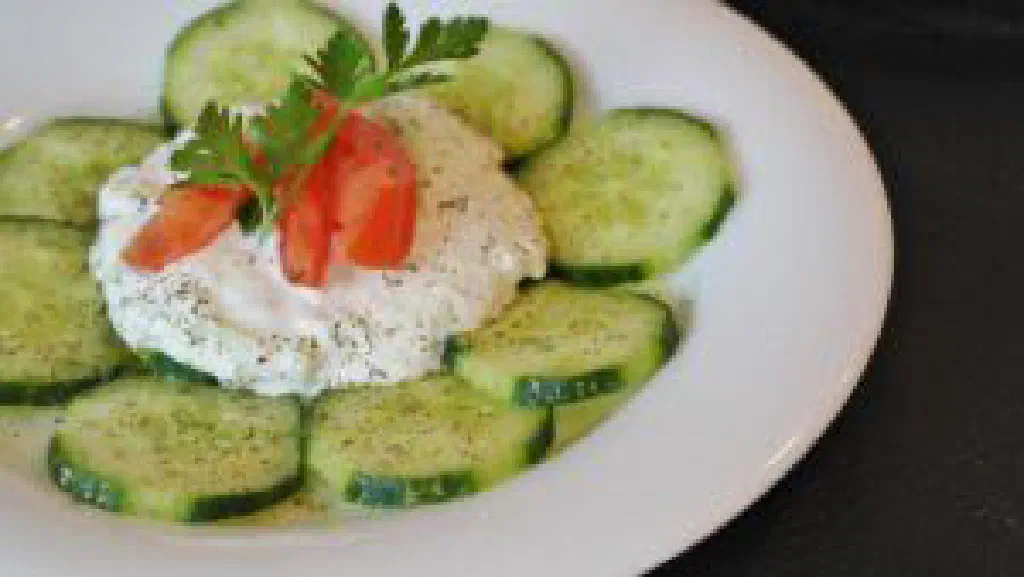
Presentation lifts the whole tzatziki experience. Spoon it into a shallow bowl, swirl the surface and finish with a drizzle of olive oil and a sprinkle of herbs. Serve it surrounded by warm pita, crunchy vegetable sticks and olives for an inviting mezze spread. It also makes a perfect cooling companion to grilled dishes such as a Gyros Pita or Arni Psito.
A bit of history
Tzatziki has deep roots in Greek cooking and has been a beloved part of the country’s tables for many years. Eaten across every region, it is woven into the fabric of Greek culture and the wider tradition of Greek cuisine. In recent decades its fame has spread far beyond Greece, and today it is recreated in kitchens around the world as a fresh, simple emblem of Mediterranean cooking.
More recipe ideas
Summary: Tzatziki
Tzatziki is a delicious and healthy Greek dish built from yoghurt, cucumber, garlic, olive oil, lemon juice, salt, pepper and a touch of cumin. Loved as a side, a dip or a quick snack, it is as traditional as it is versatile, with endless room for vegan swaps and personal tweaks. Quick to prepare and endlessly refreshing, this Greek classic deserves a place at any table, give it a try and savour the taste of the Mediterranean.