National Dish Greece: Zacharoplasteio (Recipe)
In this article
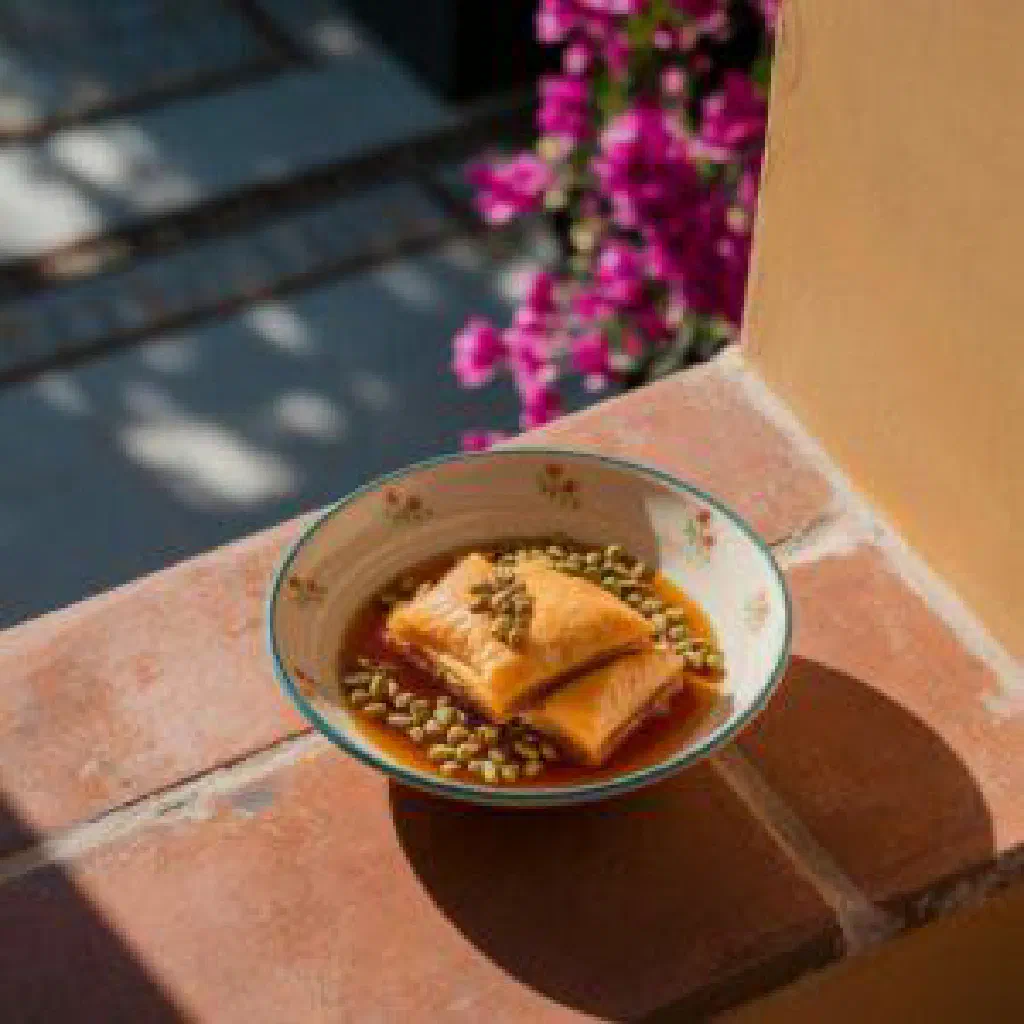
Treat yourself to Zacharoplasteio, a traditional Greek sweet that brings a little taste of the Mediterranean to your table. This tender, golden bake balances buttery richness with a gentle hint of vanilla, all finished with a delicate dusting of sugar. It is the kind of dessert that feels right both for a festive gathering and for a quiet afternoon with a cup of coffee. With its long history and many regional variations, it is a heartfelt celebration of Greek baking.
About Zacharoplasteio
Zacharoplasteio is a traditional Greek dessert prized for its aromatic richness and its lovely, melt-in-the-mouth texture. It is often served on special occasions, yet it is just as welcome as an everyday treat. The recipe brings together the finesse of Greek sweets with good-quality ingredients to create something that genuinely appeals to the senses. With its long history and countless regional variations, Zacharoplasteio is a true expression of Greek culinary tradition, much like the many other sweets found across Greek cuisine.
Ingredients (serves 1–2)
- 200 g flour
- 100 g sugar
- 100 g butter or margarine
- 2 eggs
- 1 tsp baking powder
- 1 tsp vanilla sugar
- A pinch of salt
- Sugar, for dusting
Shopping for the ingredients
When shopping for Zacharoplasteio, it pays to focus on the quality of your ingredients. Fresh eggs and good butter are essential for both the flavour and the texture of the finished dessert. Visit a local market or a trusted supermarket to track down the best of everything. Some ingredients, such as vanilla sugar, can also be swapped for natural alternatives if you prefer.
Preparing the dish
Before you start making your Zacharoplasteio, gather all of your ingredients in one place. This makes the whole process smoother and ensures nothing gets forgotten. The butter should be at room temperature so that it blends easily with the sugar and eggs. Sift the flour beforehand too, to avoid lumps and to help you achieve a light, airy texture.
Step-by-step instructions
- Preheat your oven to 180°C.
- In a large bowl, beat the butter and sugar together until creamy.
- Add the eggs one at a time, mixing well after each addition.
- Fold in the sifted flour, baking powder, vanilla sugar and salt, and combine thoroughly.
- Pour the batter into a greased baking tin and smooth the top.
- Bake in the preheated oven for 25–30 minutes, until the surface is golden brown.
- Once cooled, dust with sugar and serve.
Gluten-free / lactose-free version
Zacharoplasteio can easily be made in a gluten-free or lactose-free version. Simply replace the wheat flour with a gluten-free flour such as almond or coconut flour, and swap the butter for a plant-based alternative or margarine. These adjustments mean the dessert can still be enjoyed by anyone with particular intolerances. That way, everyone gets to share in this lovely Greek sweet.
Tips for vegans and vegetarians
For a vegan version of Zacharoplasteio, you can replace the eggs with plant-based alternatives such as apple purée or flaxseed. These ingredients step in nicely to take over the binding role that the eggs would normally play. Be sure to use vegan butter or margarine as well. With these simple changes, vegans can enjoy this delicious dessert too.
More tips and tricks
A few extra pointers for the perfect Zacharoplasteio: let it cool completely after baking before you turn it out of the tin. This reduces the risk of breakage and helps it keep a neat shape. Have fun with the flavours, too, a little lemon zest or a pinch of cinnamon adds a personal touch. That way you can vary it however you like.
Adapting the recipe to your taste
The recipe for Zacharoplasteio is wonderfully adaptable. You might fold nuts or dried fruit into the batter, for instance, to add extra texture and flavour. You can also adjust the amount of sugar to suit your own palate if you prefer a less sweet result. Be creative and experiment with different ingredients, the same playful spirit you would bring to a sweet bake like Karydopita.
Ingredient substitutions
If you find yourself without a particular ingredient for Zacharoplasteio, there are often good alternatives to hand. Sugar, for example, can be replaced with honey or agave syrup. You might also try different flours, such as spelt or oat flour, to discover new flavours. It is well worth experimenting with various combinations, much as you would when baking a syrup-rich treat like Galatopita.
Drink pairing ideas
To serve Zacharoplasteio in style, you may want to choose a fitting drink to go with it. A Greek coffee or a sweet dessert wine pairs beautifully with the bake. If you prefer something refreshing, a Greek fruit cocktail is a lovely choice. These drinks harmonise wonderfully with the sweetness of the dessert.
Serving and presentation ideas
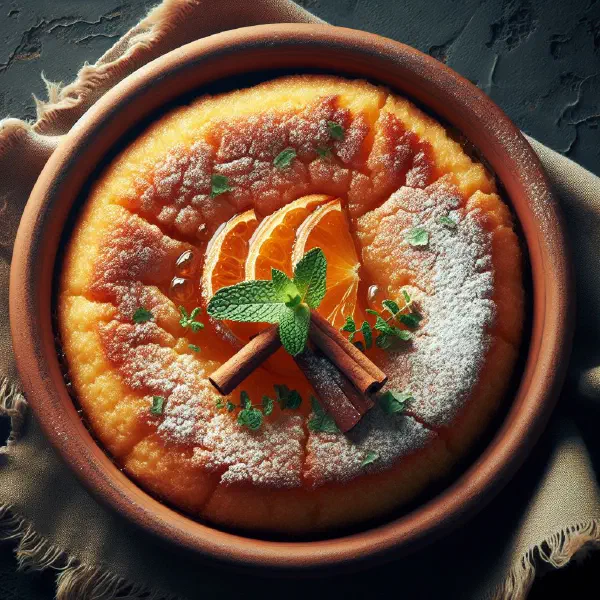
Thoughtful presentation can lift the whole Zacharoplasteio experience. Serve the dessert on an attractive plate, garnished with fresh fruit or sprigs of mint. A dusting of icing sugar adds an extra touch of elegance. Remember to let the textures and colours shine, a sweet finish to a meal that might begin with something like Rizogalo.
A bit of history
Zacharoplasteio has its origins in classic Greek cooking and is deeply rooted in the culture. It was often served at festive occasions and has long been a symbol of hospitality. History and tradition wrap around this dessert, making it a popular choice in Greek households. Today it is enjoyed not only across Greece but internationally too, a worthy companion to enduring favourites like Amygdalopita.
More recipe ideas
Summary: Zacharoplasteio
Zacharoplasteio is a delicious sweet temptation that appeals to with its range of flavours and textures. It is simple to prepare and easy to adapt to all sorts of preferences. Whether for festive occasions or as an everyday treat, this traditional dessert brings a piece of Greek culture to the table. Let this heavenly bake tempt you, and enjoy a serving of Mediterranean magic.