National Dish Grenada: Black Cake (Recipe)
In this article
Discover Black Cake, the dark, gloriously boozy fruit cake that Grenada brings out for Christmas and every other occasion worth celebrating. Dried fruit steeped in rum, warm spices and a deep molasses richness give this cake a flavour quite unlike any European fruit loaf. It is a slow, patient bake, and every mouthful repays the wait. Bring a slice of the Caribbean to your own table.
About Black Cake
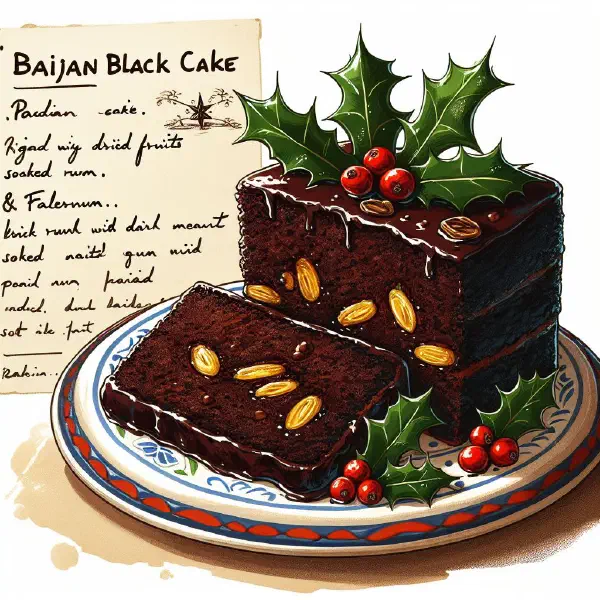
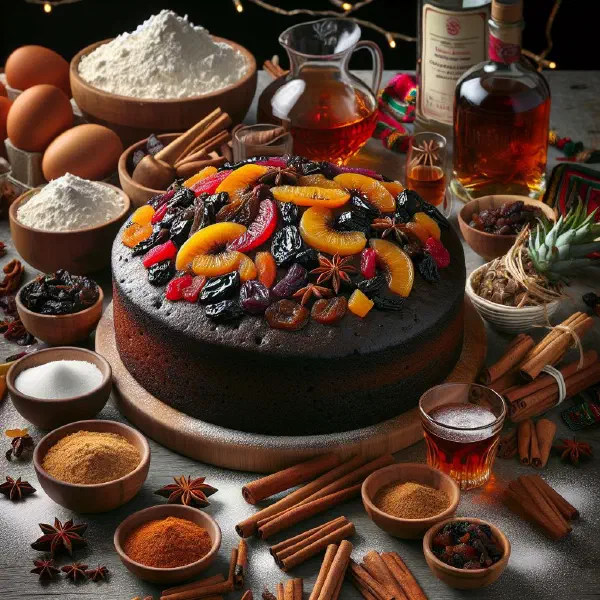
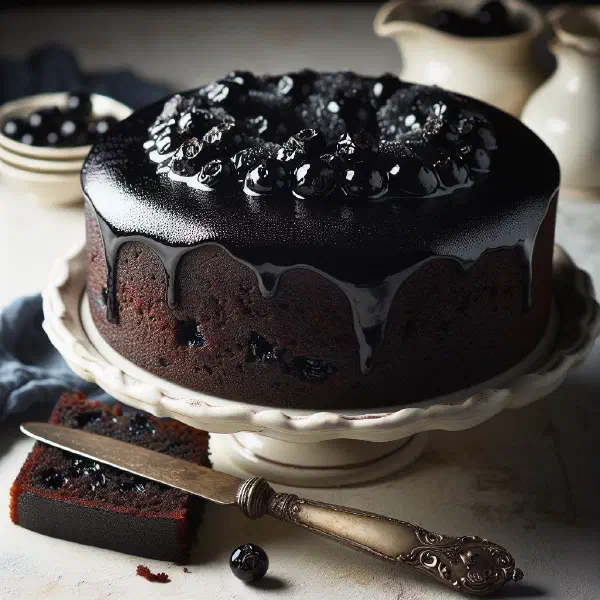
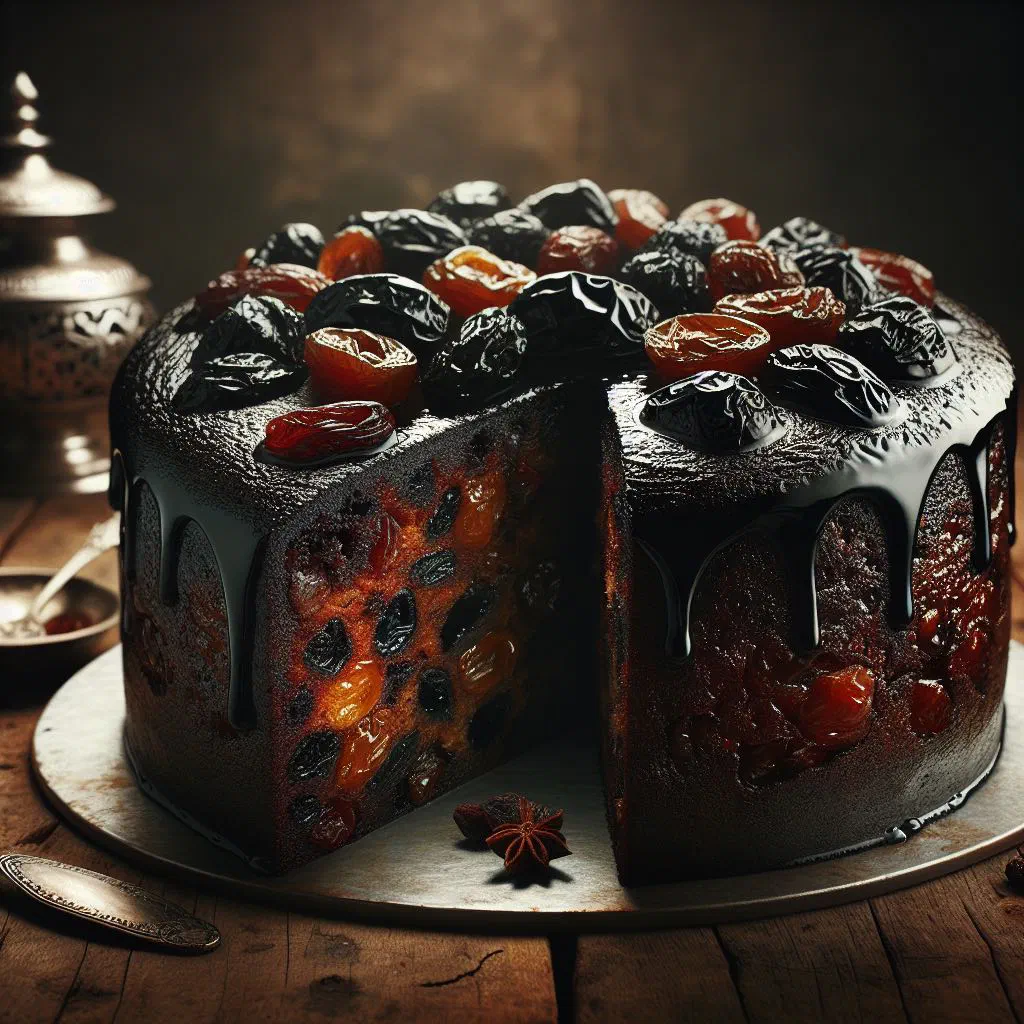
Black Cake, also known simply as fruit cake, is a traditional festive bake that is especially popular in Grenada. What sets it apart is its rich mixture of dried fruit, warming spices and a generous measure of rum. That combination lifts it well beyond an ordinary dessert and turns it into a genuine taste of Caribbean culture. This moist, dark cake is guaranteed to win people over.
Ingredients (serves 1–2)
- 200 g dried fruit (raisins, dates, apricots)
- 100 g brown sugar
- 100 g butter
- 2 eggs
- 50 ml rum
- 200 g plain flour
- 1 tsp baking powder
- 1 tsp ground cinnamon
- 1 tsp grated nutmeg
- A pinch of salt
Shopping for the ingredients
When shopping for black cake, choosing good-quality dried fruit matters more than anything else. Look for fruit that is plump and fresh rather than dry and hard, as this is where most of the flavour comes from. Brown sugar and good butter are equally important for the cake’s softness and depth. A local market or a specialist grocer is often the best place to find what you need, much as you would when sourcing spices for Nutmeg Ice Cream.
Preparing the dish
Preparation for black cake is straightforward but calls for a little patience. Begin by soaking the dried fruit in rum, ideally for at least 24 hours, so it can drink up the aromas. This step does more than add flavour. It is what gives the finished cake its famously moist texture. Set aside enough time for the soaking and you will be rewarded with a far better result.
Step-by-step instructions
- Beat the soaked dried fruit together with the butter and sugar until light and creamy.
- Add the eggs one at a time, mixing well after each addition.
- In a separate bowl, combine the flour, baking powder, cinnamon, nutmeg and salt.
- Fold the dry ingredients into the wet mixture a little at a time until evenly blended.
- Pour the batter into a greased cake tin and bake at 160°C for about 60 minutes.
- Test with a skewer to check the cake is cooked through.
Gluten-free / lactose-free version
A gluten-free black cake is easy to achieve: simply use a gluten-free flour blend in place of the plain flour, and check that the remaining ingredients are gluten-free too. For a lactose-free version, replace the butter with a good-quality plant-based margarine that creams well. That way everyone at the table can enjoy a slice, whatever their dietary needs.
Tips for vegans and vegetarians
Vegan bakers can make black cake by swapping the eggs for an egg replacer such as apple purée or ground flaxseed, both of which provide the binding the batter needs without any animal products. It is worth checking the other ingredients too, though most spirits are vegan as a matter of course. With these small adjustments the cake loses none of its richness.
More tips and tricks
To make black cake even more aromatic, add a little citrus zest, orange or lime works beautifully and brings a fresh note that balances the sweetness. Let the cake cool thoroughly before slicing, as this improves both texture and flavour considerably. Many bakers also brush the cooled cake with a spoonful of extra rum to keep it moist for days.
Adapting the recipe to your taste
The joy of black cake is how readily it bends to personal preference. Use different dried fruits, adjust the spices, or dial the sugar back if you prefer something less sweet. Trying a different spirit, cherry brandy is a Caribbean favourite, gives the cake your own signature. Feel free to experiment until you land on the combination that suits you best.
Ingredient substitutions
If a particular ingredient is missing, there are plenty of workable alternatives. Replacing the rum with apple or grape juice produces an alcohol-free version that is still full of flavour, in the spirit of a refreshing Sorrel Drink. You can be just as creative with the fruit: cranberries or dried figs add new character. Small changes like these keep the recipe flexible without sacrificing any enjoyment.
Drink pairing ideas
A festive slice of black cake sits happily alongside a range of drinks. A classic red wine or a fruity mulled wine makes an ideal partner for such a rich dessert. Equally, an espresso or a fragrant tea will cut through the sweetness nicely, a cup of Cocoa Tea is the local choice. Think about what your guests are most likely to enjoy.
Serving and presentation ideas
Presentation matters almost as much as flavour here. Serve the cake on an elegant plate and garnish it with fresh fruit or a light dusting of icing sugar. A decorative cake stand or a drizzle of chocolate adds a further flourish. Set alongside a bowl of Tropical Fruit Salad, a thoughtfully arranged spread makes the dessert all the better.
A bit of history
Black cake has its origins in the Caribbean and carries the stories of earlier generations, when baking a fruit cake was a mark of hospitality. It was made for special occasions and became a family tradition handed down from one generation to the next. The many regional versions reflect the cultural influences that shaped Grenadian cuisine and show how closely food and community are bound together. This is a cake that is celebrated as much as it is eaten.
More recipe ideas
Summary: Black Cake
Black cake is far more than a simple dessert. It is a piece of Caribbean culture that speaks of celebration and togetherness. Its distinctive blend of dried fruit, warm spices and rum brings festive cheer to any table. This cake is always the right choice. Just remember to share a slice with friends and family.