National Dish Guinea: Benga (Recipe)
In this article
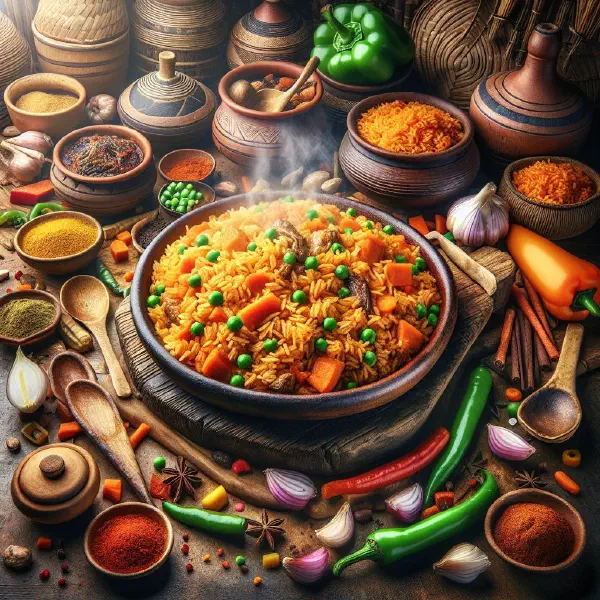
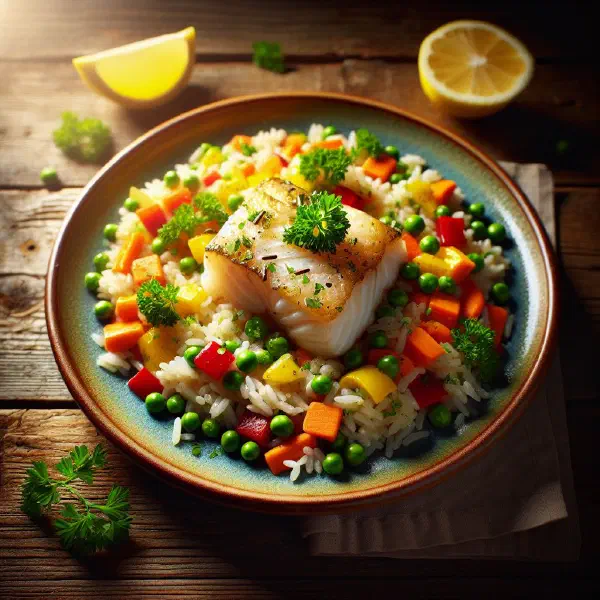
Say hello to Benga, a warming fish and vegetable stew that captures the bright, generous flavours of Guinea and the wider West African coast. Fresh fish simmers gently with tomatoes, peppers and leafy greens, lifted by smoky paprika and a fiery kick of habanero. It is the kind of one-pot meal made for sharing, bringing family and friends together around the table with very little fuss and a great deal of flavour.
About Benga
Benga is a traditional national dish from Guinea that draws together the tastes and aromas of West Africa. This hearty stew is built on a range of fresh ingredients, chiefly vegetables and fish, along with bold spices that give it its signature character. Benga reflects the country’s culinary variety and is a symbol of Guinea’s rich culture and traditions. Often served on special occasions, it is very good that celebrates the joy of eating together.
Ingredients (serves 1–2)
- 200 g fresh fish (e.g. tilapia)
- 1 large onion, finely chopped
- 2–3 tomatoes, diced
- 1–2 carrots, sliced
- 1 green pepper, diced
- 100 g spinach or chard
- 2–3 cloves garlic, crushed
- 1–2 teaspoons habanero or other chilli sauce (to taste)
- 1 teaspoon smoked paprika
- Salt and pepper to taste
- 2–3 tablespoons vegetable oil
- Water or fish stock, as needed
Shopping for the ingredients
When shopping for Benga, focus on the quality of the fish and vegetables. Fresh fish is crucial to the flavour of the dish, so it is well worth buying it from a local fishmonger or at the market. The vegetables should be fresh and crisp too, as they enrich the stew both in taste and in appearance. Finally, the right spices deliver the authentic flavour you would expect from a traditional dish.
Preparing the dish
To prepare Benga, wash and ready all the ingredients thoroughly first. Slicing the vegetables, chopping the onions and preparing the fish are essential steps that ensure the flavours harmonise well. It is especially important to clean the fish properly and cut it into suitable pieces. Good preparation is the key to a successful stew and makes the whole cooking process easier and more efficient.
Step-by-step instructions
- Heat the vegetable oil in a large pot and sauté the chopped onion until translucent.
- Add the garlic and diced tomatoes and continue to fry for 2–3 minutes.
- Add the carrots and green pepper, stir well and cook for a further 5 minutes.
- Lay the prepared fish into the pot and stir gently so it does not fall apart.
- Cover the vegetables and fish with water or fish stock and bring to the boil.
- Add the habanero or chilli sauce along with the spices and mix well.
- Simmer over medium heat for 15–20 minutes, until the vegetables are tender and the fish is cooked through.
- Stir in the spinach or chard and cook for a further 5 minutes, until it wilts.
- Taste, adjust the seasoning as needed, then arrange on plates to serve.
Gluten-free / lactose-free version
Benga is naturally gluten-free and lactose-free, making it an ideal choice for anyone with these intolerances. All the ingredients used, fresh fish and vegetables, are free of gluten and lactose by nature, so you can enjoy the recipe without any additional adjustments. It is worth double-checking your spices, however, to make sure they too are free of any such additives.
Tips for vegans and vegetarians
Benga can just as easily be adapted for vegans and vegetarians by replacing the fish with plant-based alternatives. Smoked tofu or seitan, for example, make versatile protein sources that enrich the stew, while vegetable stock can stand in for the fish stock to deepen the flavours. These small changes mean that plant-based eaters can enjoy this delicious dish too.
More tips and tricks
To make Benga even tastier, finish the dish with a scattering of fresh herbs. Coriander or parsley are excellent choices that heighten the aroma further. A squeeze of lemon or lime just before serving can also add a fresh lift. Experiment with the spices; you might like to give the stew an extra edge of heat to set it apart from other dishes.
Adapting the recipe to your taste
Every cook has their own preferences, and Benga is wonderfully adaptable. You can vary the vegetables according to the season or your personal taste, courgettes or aubergines, for instance, are a great way to enrich the dish. Just be sure to adjust the cooking times so that every ingredient reaches the perfect point of doneness and everything blends together in harmony.
Ingredient substitutions
If certain ingredients are not available at your local shop, there are plenty of alternatives to choose from. Instead of habanero, milder chillies or peppers can be used to temper the heat. The fish is not fixed either, and varieties such as cod or mackerel make excellent stand-ins, the same fresh fish that shines in a Soupe De Poisson or a fragrant Poisson Braise. The important thing is to be creative and tailor the substitutions to your own preferences.
Drink pairing ideas
A variety of drinks pairs well with Benga and complements the eating experience. A cold beer can be a refreshing accompaniment to this hearty dish. Alternatively, a lightly sparkling white wine or a fruity cocktail works beautifully with the fresh flavours. Those who prefer something alcohol-free can opt for a fresh citrus juice or a homemade fruit tea, which underlines the flavours of Benga in perfect harmony.
Serving and presentation ideas
Presentation plays an essential part in the culinary experience. Serve Benga in an attractive bowl or on a large plate, and garnish the dish with fresh herbs. Adding lime wedges or fresh tomatoes can intensify the colours and make it look all the more inviting. Take care to plate the portions thoughtfully, so they look both delicious and thoroughly appetising.
A bit of history
Benga has its roots in Guinean history, shaped by the influences of various ethnic groups and cultures. The use of fish and regional vegetables is typical of the cooking of West Africa, and Benga embodies these many-sided traditions. Whether at festivals or everyday family meals, the dish is a central part of Guinean gastronomy. It is more than just a stew; it is part of the cultural identity of Guinea and offers an insight into the country’s culinary traditions and its wider Guinean cuisine.
More recipe ideas
Summary: Benga
In summary, Benga is a delicious dish and a tribute to Guinean culture. Thanks to its reliance on fresh ingredients and the flexibility of its preparation, it is easy to enjoy and adapt this wonderful recipe. Benga is a stew that appeals to the heart and the palate in equal measure. Experiment with the many possibilities to add your personal touch, and enjoy the tour through West Africa.