National Dish Guinea: Chikwangue (Recipe)
In this article
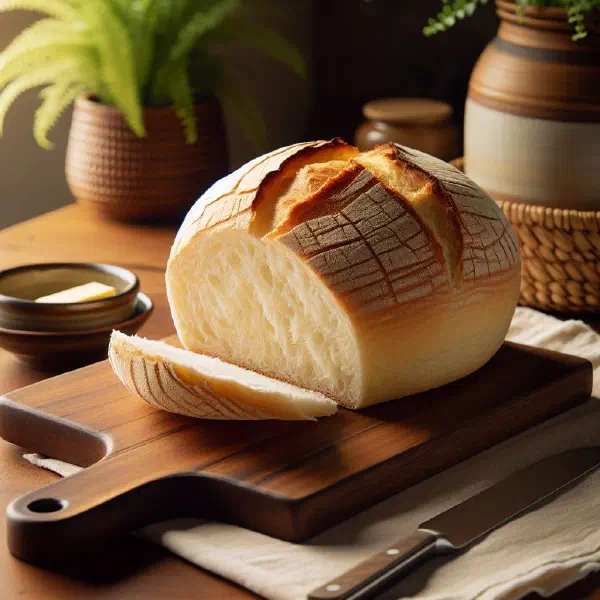
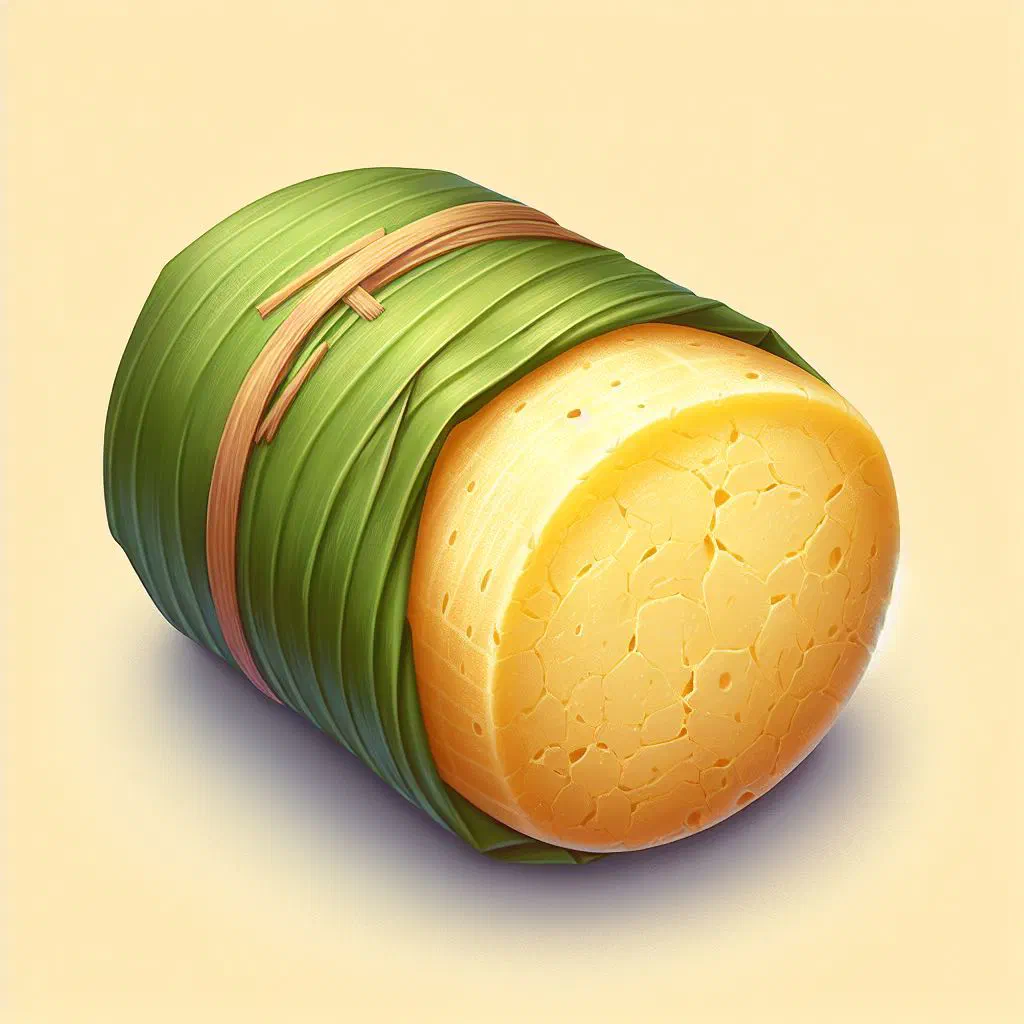
Say hello to Chikwangue, a wonderfully simple cassava bread that sits at the heart of the West African table. Made from just a handful of ingredients, it cooks down to a dense, springy loaf that is the perfect partner for hearty stews and sauces. More than everyday fare, it carries generations of tradition in every bite, a taste of Guinea you can bring straight to your own kitchen.
About Chikwangue
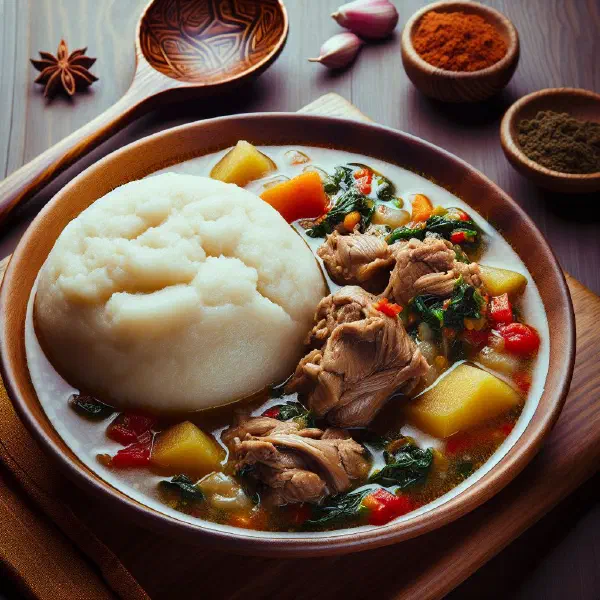
Chikwangue is a traditional dish from Guinea, shaped over time to suit the tastes and preferences of people across West Africa. Made from cassava, it is worked into a firm, dough-like consistency that makes it an ideal accompaniment to a variety of stews and sauces. It is far more than a simple staple, though. It is also a way of expressing the cultural identity of Guinea. Preparing chikwangue is a craft passed down from one generation to the next, and it plays a central role in African communal dining, much like a bowl of Fufu.
Ingredients (serves 1–2)
- 500 g cassava
- Water (for boiling)
- A pinch of salt
Shopping for the ingredients
To make chikwangue, look for fresh cassava at a local grocery shop or market. Choose roots that are firm and free from blemishes. Beyond the cassava you need only water and salt, both of which are easy to find in any kitchen. It is well worth visiting local markets to get the freshest produce, just as you would for a pot of Manioc à la Sauce Graine.
Preparing the dish
Begin with the preparation of the cassava. This means peeling away the skin thoroughly and cutting the root into small pieces. The cassava should then be boiled in a pan of water until soft. This step is essential to ensure the finished loaf has a smooth, even texture.
Step-by-step instructions
- Add the prepared cassava to a large pan of boiling water.
- Boil the cassava for 20–30 minutes, until soft.
- Drain the cooked cassava and mash it to a purée.
- Spoon the purée into a suitable mould and leave it to cool.
- Slice into pieces and serve warm.
Gluten-free / lactose-free version
Chikwangue is naturally gluten-free and lactose-free, since its main ingredient is cassava. That makes it an excellent choice for anyone with certain food intolerances. There are no other animal products or gluten in the recipe, which makes it wonderfully versatile. Just be sure to use fresh ingredients to preserve the purity and flavour of the dish.
Tips for vegans and vegetarians
Chikwangue fits perfectly into a vegan or vegetarian diet, as it is entirely plant-based. You can pair it with a range of vegetable stews or plant-based sauces. Try to vary the sides to maximise both flavour and nutrition. As a complement, you might also serve seasoned vegetables or a bean mash to boost the overall nutritional value.
More tips and tricks
Be sure to rinse the cassava well before boiling to remove any trace of dirt. Experiment with the thickness of your chikwangue by adjusting the amount of water you add while mashing. A thicker consistency can be used to make a firmer bread, while a softer version works better as a vehicle for sauces. With the right technique, your chikwangue will be a true highlight of any meal.
Adapting the recipe to your taste
Chikwangue is easily adapted to personal preference. Add different spices or herbs to vary the flavour. Some cooks like to work onions or garlic into the mixture for a more aromatic note. Experiment with different sauces and sides to create your own individual version of the dish.
Ingredient substitutions
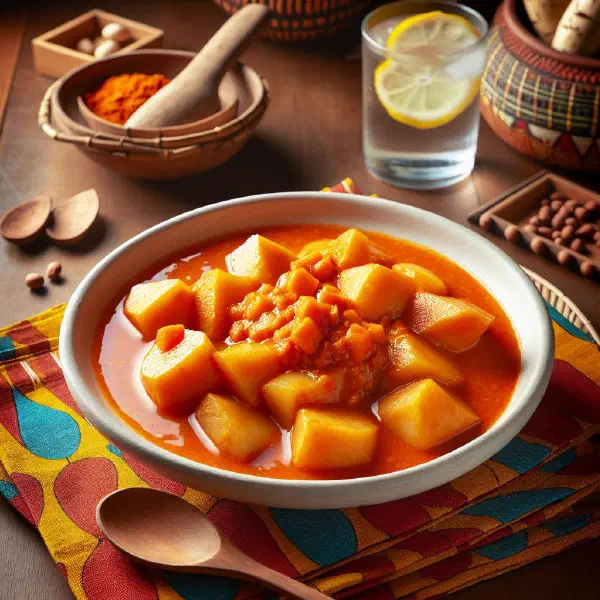
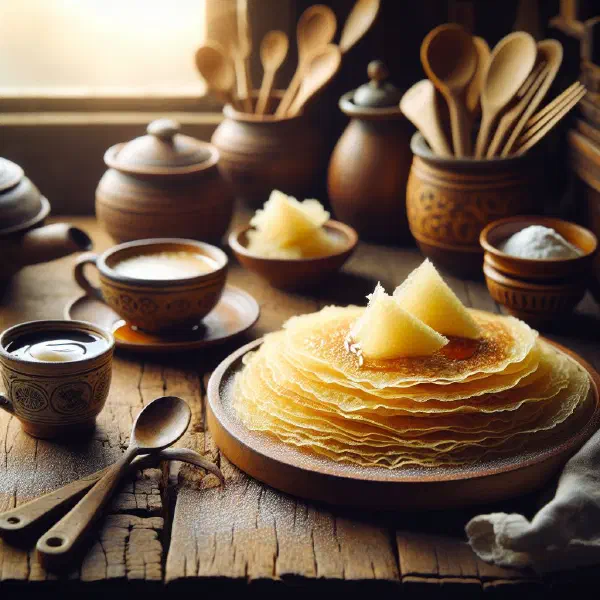
While cassava is the main ingredient in chikwangue, other starchy foods such as yuca or potatoes can be used as alternatives. These can offer a similar texture, though the flavour may vary. If you cannot get hold of fresh cassava, you can also use cassava flour to make the dish, which may make the preparation a little simpler. The same starchy base turns up in dishes like Crêpes de Manioc.
Drink pairing ideas
A range of drinks goes well with chikwangue, depending on how you serve it. A light African beer or a fresh fruit spritzer could make an excellent match. For an alcohol-free option, try ginger tea or a zesty lemonade such as a glass of Bissap.
Serving and presentation ideas
Presentation can help make the meal more appealing. Serve the dish on a large plate and garnish it with fresh herbs or vegetables. A combination of colours will lift the dish and make it look inviting on the table. Remember to cut the chikwangue into even pieces to make portion control easier.
A bit of history
Chikwangue has a long history in African cuisine. It is a popular dish not only in Guinea but in many other West African countries too. The methods of preparation and the variations can differ from region to region. Chikwangue has deep cultural roots and is often served at celebrations and large gatherings, which underlines its importance as a communal dish and a cornerstone of Guinean cuisine.
More recipe ideas
Summary: Chikwangue
In summary, chikwangue is a nourishing and tasty dish from Guinea that is ideal for all kinds of occasions. With its simple preparation and the scope to adapt it to personal taste, chikwangue is an excellent choice for any meal. The dish reflects the culinary traditions of Guinea and offers an exciting chance to get to know African cooking better. Let the flavours and history of this unique dish inspire you, and bring a piece of Guinea to your own table.