National Dish Guinea: Riz Gras (Recipe)
In this article
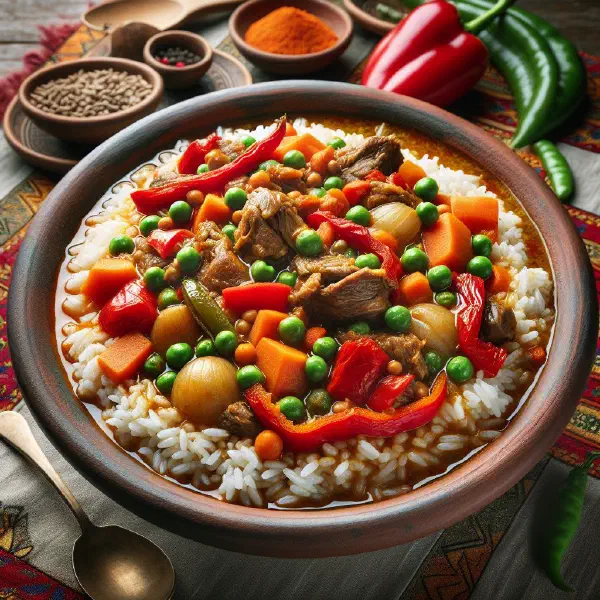
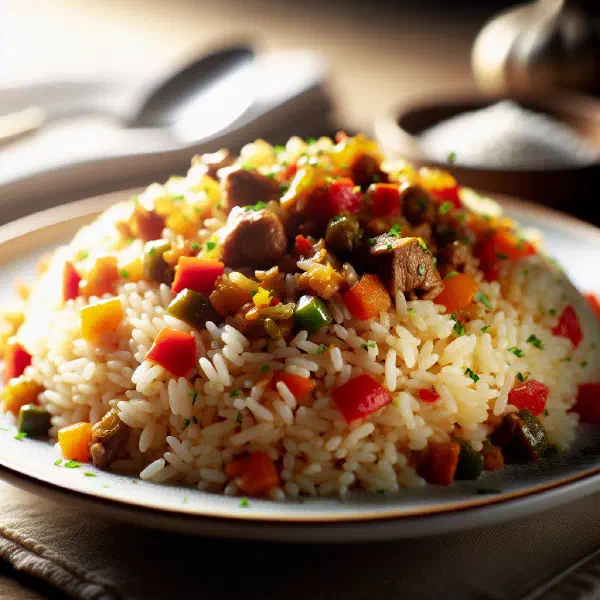
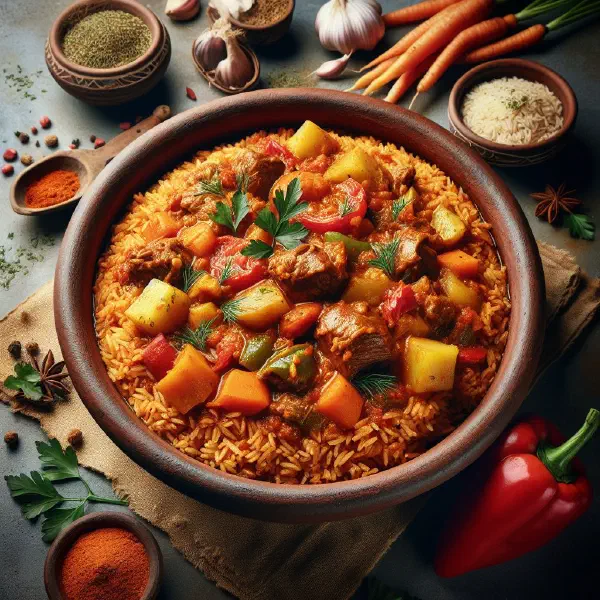
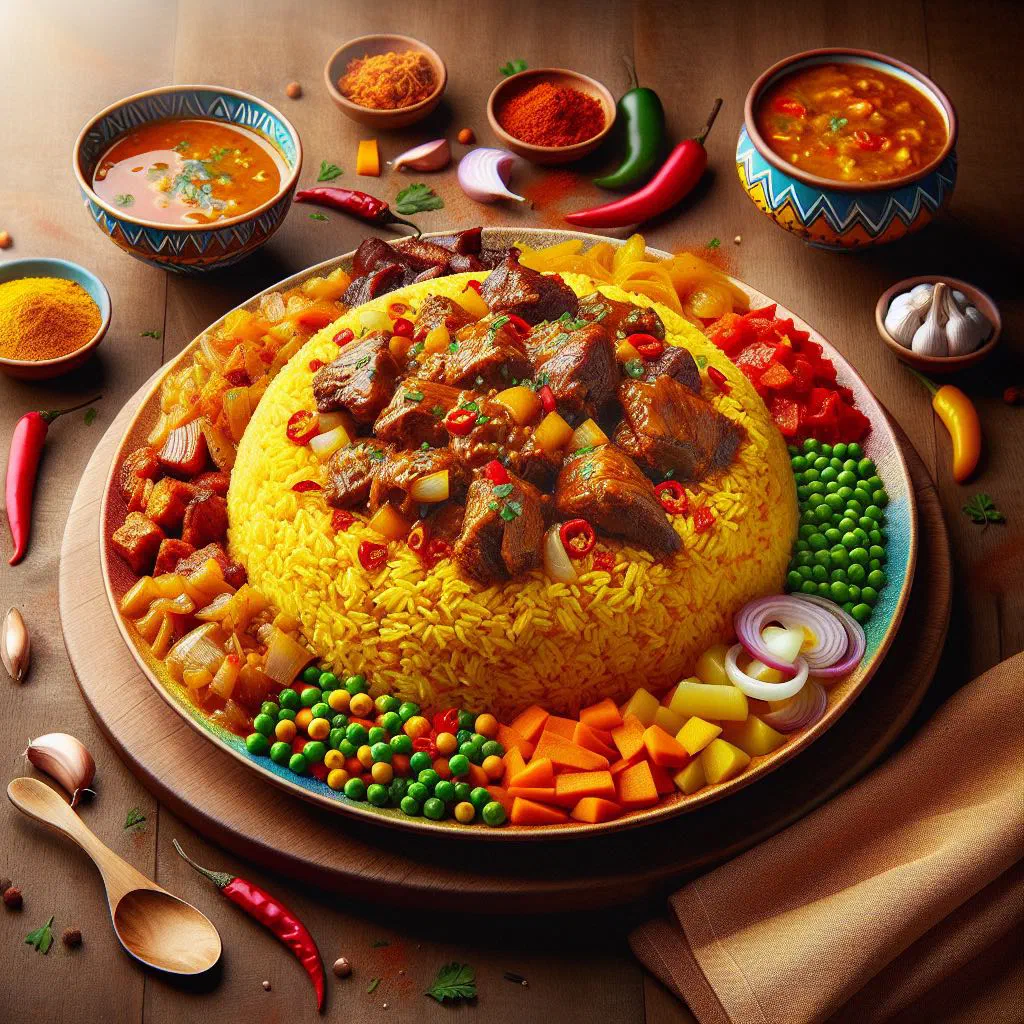
Meet Riz Gras, one of Guinea’s most iconic and comforting dishes. This hearty one-pot rice combines tender grains with a savoury tangle of meat, colourful vegetables and warming spices. Rich, filling and full of flavour, it captures the generous spirit of West African home cooking in every spoonful. Bring the bright tastes of Guinea straight to your own table with this crowd-pleasing classic.
About Riz Gras
The traditional cuisine of Guinea is known for its heartiness and variety, and few dishes sum it up better than Riz Gras. This satisfying rice dish is filling and packed with flavour, pairing tender rice with a delicious mixture of meat, vegetables and a generous blend of spices. Every time it is cooked, the result is a genuine culinary experience that reflects the tastes of Guinea perfectly. Much like the country’s beloved Jollof Rice, it turns simple ingredients into something memorable.
Ingredients (serves 1–2)
- 200 g rice
- 300 g meat (chicken, beef or lamb)
- 1 onion
- 2–3 carrots
- 1 pepper
- 2–3 cloves of garlic
- 1 tsp vegetable stock
- Oil for frying
- Spices to taste (salt, pepper, paprika, chilli)
Shopping for the ingredients
When making Riz Gras, it is important to choose fresh, high-quality ingredients. Visit your local market or an African or Asian grocery to find everything you need. Pay particular attention to the quality of the meat, as this has a big influence on the flavour of the finished dish. Fresh vegetables are just as important for keeping the flavours lively and crisp.
Preparing the dish
Before you start cooking Riz Gras, it is worth preparing all the ingredients well. Cut the meat into small pieces and, if you like, marinate it with a little spice and oil for extra flavour. The vegetables should also be washed and chopped into bite-sized pieces. Good preparation saves time and keeps the whole cooking process running smoothly.
Step-by-step instructions
- Heat some oil in a large pot and fry the onion and garlic until golden brown.
- Add the meat and brown it all over until it is well cooked through.
- Stir in the chopped vegetables and fry them for a few minutes.
- Add the rice and stir everything well so the flavours can mingle.
- Pour in enough water (or stock) to cook the rice, and season to taste.
- Cover the pot and let the dish simmer until the rice is tender and the liquid has been fully absorbed.
Gluten-free / lactose-free version
Riz Gras is naturally gluten-free and lactose-free, as long as you make sure the spices and stocks you use contain no additives. Some stocks can contain gluten, so choose a gluten-free variety. Vegetable oil or plant-based fats are also good choices for avoiding any lactose. These simple adjustments make the dish accessible to a wider range of dietary needs.
Tips for vegans and vegetarians
For a vegan or vegetarian version of Riz Gras, you can simply replace the meat with your favourite vegetables or tofu. Use protein sources such as chickpeas or lentils to keep the dish nourishing. Be sure to add plenty of spices to intensify the flavour. Here too, a good vegetable stock can be used to bring extra depth and taste.
More tips and tricks
To cook Riz Gras perfectly, it is important to pay attention to the cooking times of the different ingredients. Firmer vegetables should be added first, while more delicate vegetables can go in later to avoid overcooking. Experiment with different spices to adjust the dish to your taste. Using fresh herbs can also give the dish an exciting extra note.
Adapting the recipe to your taste
The flexibility of Riz Gras lets you shape the recipe entirely to your own preferences. Feel free to use different cuts of meat or plant-based proteins, and vary the vegetables according to the season. Add more or less heat depending on what suits you best. With a little willingness to experiment, you can find the perfect balance that pleases you and your guests, the same adventurous spirit behind a good Mafe.
Ingredient substitutions
If you do not have all the ingredients for Riz Gras to hand, there are plenty of alternatives. Rice can be swapped for quinoa or couscous to give the dish a different texture, much like the fine grains in a Couscous De Fonio. Instead of fresh vegetables, frozen mixes work well too and still offer great flavour.
Drink pairing ideas
Choosing the right drink can greatly enhance a dish like Riz Gras. Light white wines or fruity cocktails pair beautifully with the flavours of the dish. Alternatively, a refreshing iced tea or a homemade lemonade balances the savoury, spiced notes wonderfully. A hibiscus drink such as Bissap is another lovely option, experiment with different drinks to find your perfect match.
Serving and presentation ideas
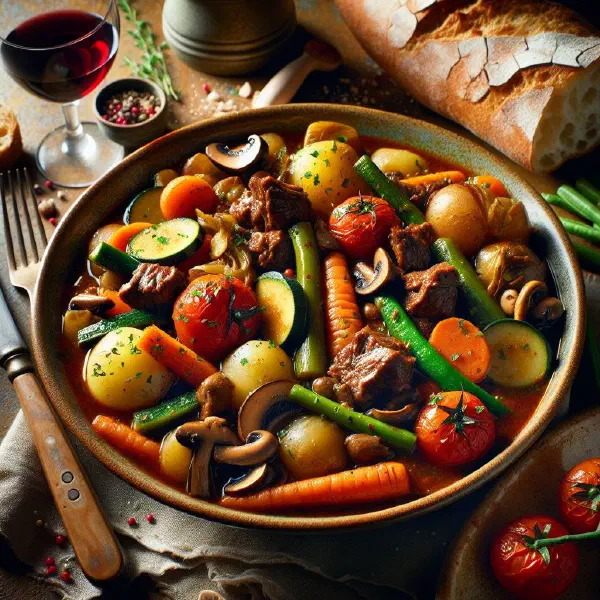
Presentation is an essential part of enjoying Riz Gras. Serve the dish on a large plate or in a beautiful bowl and garnish it with fresh herbs or a squeeze of lemon for an extra pop of colour and flavour. Use attractive serving dishes to present the meal appealingly. A little care in the arrangement makes the food even more inviting.
A bit of history
Riz Gras has its roots in the diverse culture of Guinea, shaped by many different ethnic groups and culinary traditions. This dish reflects the influences of West African cuisine and is a symbol of hospitality. At festive occasions and family gatherings, riz gras plays a central role and is often shared to strengthen the bonds between people. Its preparation is a process handed down from generation to generation, helping to preserve cultural identity, a hallmark of Guinean cuisine.
More recipe ideas
Summary: Riz Gras
In summary, Riz Gras is a delicious dish and a piece of Guinean culture and tradition. The preparation can be adapted to personal tastes, while the combination of rice, meat and vegetables creates inventive flavour experiences. Whether for a special occasion or a cosy dinner, riz gras is always a rewarding choice. Discover the fascinating aromas and the love of cooking that lives in every single bite.