National Dish Guinea: Saka Saka (Recipe)
In this article
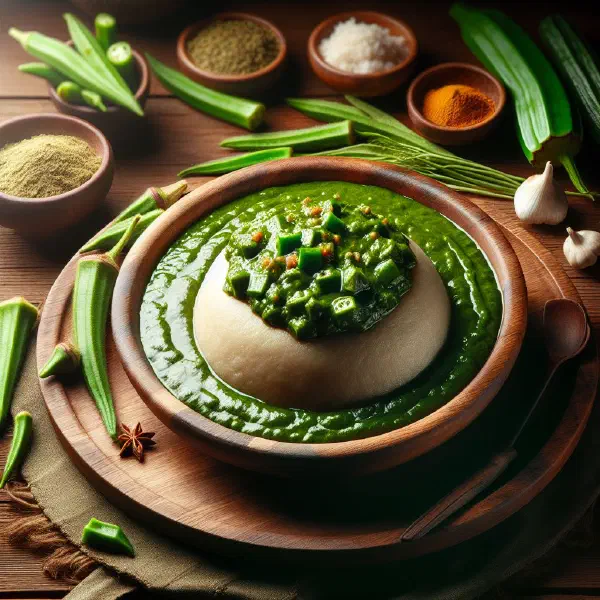
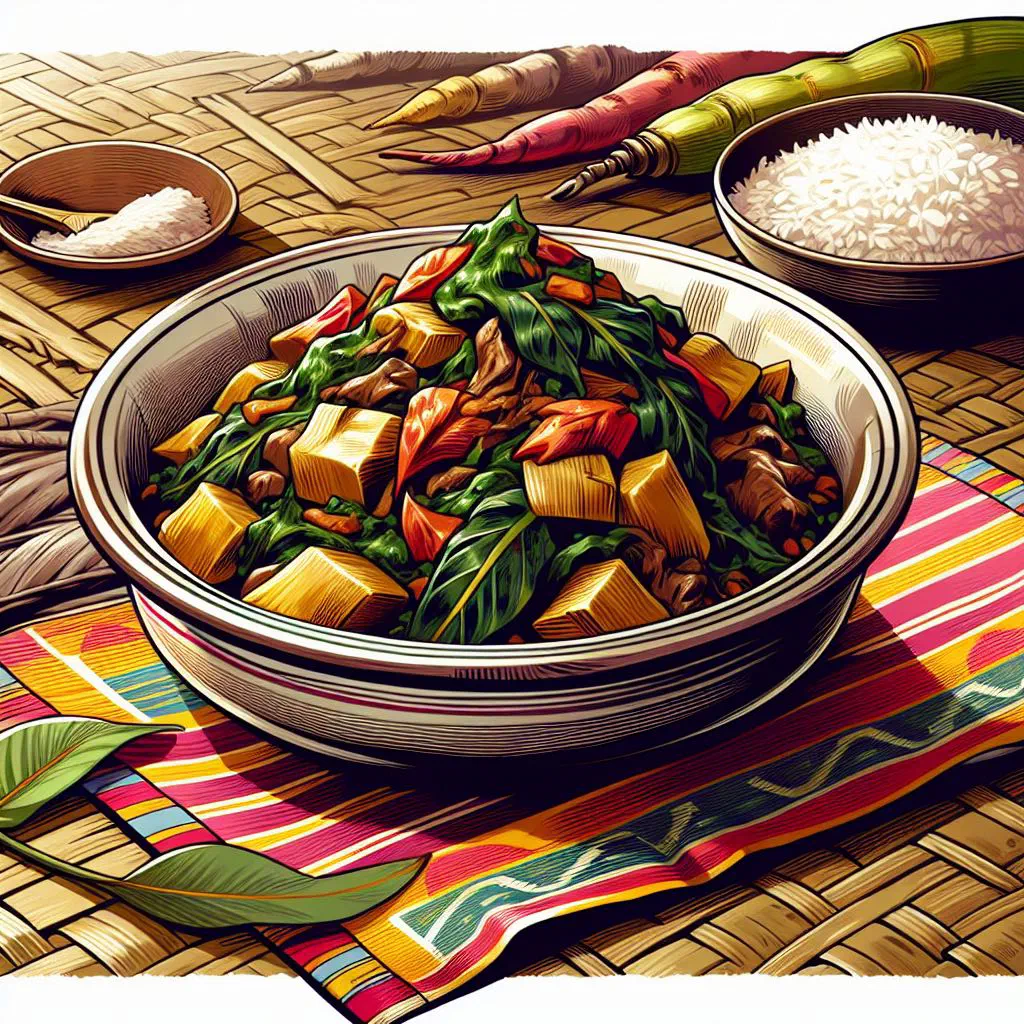
Say hello to Saka Saka, the beloved national dish of Guinea and a cornerstone of West African home cooking. Built around tender cassava leaves simmered with peanuts and a fragrant blend of spices, it delivers a deeply savoury, nourishing flavour that feels both rustic and comforting. More than just a meal, Saka Saka carries generations of tradition and hospitality on every plate. Bring a little of Guinea’s warmth into your own kitchen with this wholesome, satisfying stew.
About Saka Saka
The national dish of Guinea is Saka Saka, a flavourful stew prepared from the leaves of the cassava plant. These leaves are traditionally combined with peanuts and a variety of spices to create a taste experience like no other. Saka Saka is not simply food; it is a piece of the cultural heritage of the Guinean people, reflecting the deep roots of African cooking. The pairing of nourishing, wholesome ingredients makes this dish a perfect choice for anyone looking for a healthy and delicious meal.
Ingredients (serves 1–2)
- 200 g cassava leaves (fresh or frozen)
- 50 g peanuts (roasted and ground)
- 1 onion, finely chopped
- 2 cloves of garlic, chopped
- 1 tomato, finely diced
- 200 ml vegetable stock or water
- 2 tablespoons vegetable oil
- Salt and pepper to taste
Shopping for the ingredients
To make Saka Saka you need only a handful of ingredients, but quality matters. Check local markets or African grocery shops to track down fresh cassava leaves, as these are the heart of the dish. If you cannot find them fresh, frozen leaves are a good alternative. Be sure to use roasted peanuts of good quality to guarantee that authentic flavour, much as you would when preparing a classic Mafe.
Preparing the dish
Before you start cooking Saka Saka, a little preparation goes a long way. Wash the cassava leaves thoroughly to remove any dirt or grit. Chop the onion, garlic and tomato in advance so you can add them quickly during cooking. This groundwork keeps the cooking process smooth and improves the quality of the finished dish, letting you work at a relaxed, steady pace.
Step-by-step instructions
- Heat the vegetable oil in a large pot over medium heat.
- Add the onions and fry until golden brown.
- Stir in the garlic and tomato and cook everything for about 5 minutes.
- Add the cassava leaves and stir well to combine.
- Pour in the vegetable stock or water and let the dish simmer for 15–20 minutes.
- Scatter the ground peanuts over the top and season with salt and pepper.
- Cook for a further 5 minutes and serve hot.
Gluten-free / lactose-free version
Saka Saka is naturally a gluten-free and lactose-free dish, which makes it perfect for anyone with those intolerances. The ingredients contain no gluten-based products or dairy at all. Just take care that the vegetable stock is also gluten-free, so the whole dish meets your needs.
Tips for vegans and vegetarians
Saka Saka can be adapted in several ways for vegans and vegetarians. The dish is already plant-based, and using vegetable stock guarantees that no animal products sneak in. To boost the nutritional value even further, you can add extra vegetables such as carrots or pumpkin. The recipe is easy to tweak to suit the tastes of your guests, in the same spirit as a leafy Sauce Feuille De Manioc.
More tips and tricks
To make Saka Saka even tastier, experiment with different seasoning techniques. Adding chilli gives the dish a pleasant heat, while fresh herbs such as parsley or coriander bring extra aroma. Make sure you taste regularly as you cook to find that perfect balance of flavours. A small squeeze of lime juice just before serving can lift the fresh taste even more.
Adapting the recipe to your taste
The flexibility of Saka Saka makes it easy to adjust the recipe to personal preference. You could vary the amount of peanuts, for instance, to control the richness of the dish just the way you like it. Equally, you can add extra types of vegetables to make the meal more filling.
Ingredient substitutions
If you cannot get hold of cassava leaves, you can use spinach or Swiss chard as a substitute. These greens are also full of nutrients and add a similar flavour. Peanuts can be swapped for cashews, which bring a milder taste that does not overpower the dish, a trick that also works well in a hearty Sauce Darachide. Just be sure the alternatives you choose support the texture and flavour of the finished stew.
Drink pairing ideas
A range of drinks pairs beautifully with Saka Saka and complements its savoury notes. A fresh mango smoothie or a bright hibiscus tea makes for a refreshing combination. If you prefer something alcoholic, opt for a light lager or a dry white wine, both of which round off the flavours of Saka Saka wonderfully. Keep the preferences of your guests in mind to choose the right accompaniment.
Serving and presentation ideas
Presentation plays an important part in serving Saka Saka. Use an attractive bowl or a deep plate to arrange the dish invitingly. You can add a few fresh herbs or roasted peanuts as a garnish to create a festive impression. Remember to consider the colours of the side dishes too, so you build a meal that is as appealing to the eye as it is to the palate.
A bit of history
Saka Saka has a history woven deep into Guinean culture. The traditional preparation and use of cassava leaves is a sign of the close bond with nature and the farming practices of Africa. Many families in Guinea have their own variations and secrets for Saka Saka, passed down from one generation to the next. This dish is a nourishing option and a symbol of the community life and hospitality so treasured in Guinean cuisine.
More recipe ideas
Summary: Saka Saka
Saka Saka is a delicious and versatile dish made with simple, nourishing ingredients. The combination of cassava leaves, peanuts and aromatic spices makes it a truly unique experience. Saka Saka brings a touch of African culture into your kitchen. Let it inspire you and give this wonderful dish a try, to discover the flavours of Guinea for yourself.