National Dish Guyana: Cassava Bread (Recipe)
In this article
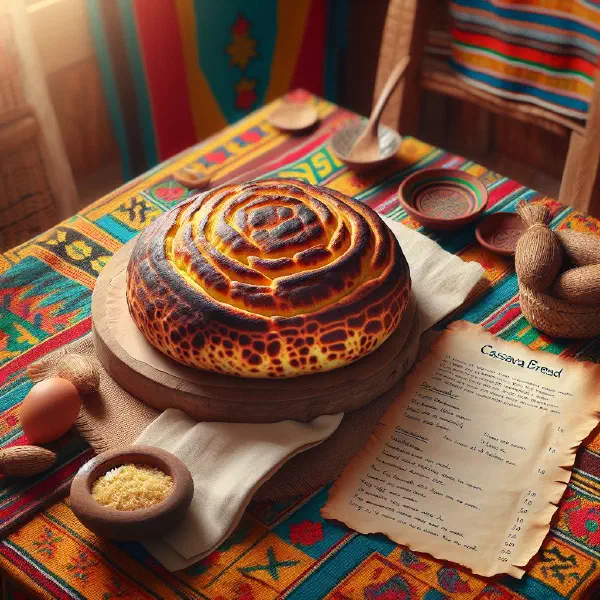
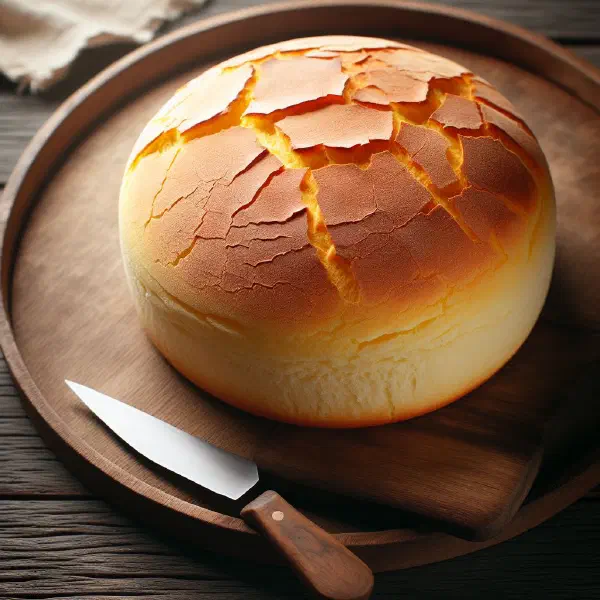
Meet Cassava Bread, a humble flatbread that carries centuries of Guyanese history in every bite. Made from the nutrient-rich cassava root, it is naturally gluten-free and vegan, with a mild, earthy flavour that pairs beautifully with dips, stews and spreads. Simple to prepare and endlessly versatile, this Caribbean staple brings a taste of Guyana’s indigenous heritage straight to your kitchen table.
About Cassava Bread
Cassava Bread is well known not only in Guyana but across much of the Caribbean and South America. This traditional bread is made from the cassava root, which is rich in nutrients and prized for a range of health-supporting qualities. Thanks to its naturally gluten-free nature, it is an ideal choice for anyone with coeliac disease or a gluten intolerance. The preparation is straightforward, and it can be enjoyed in all sorts of ways, whether plain or paired with an array of dips and spreads.
Ingredients (serves 1–2)
- 2 cups cassava flour
- 1 cup water
- 1 teaspoon salt
- 2 tablespoons oil (such as coconut oil or vegetable oil)
Shopping for the ingredients
The ingredients for cassava bread are available in most grocery shops and Asian markets. Cassava flour can also be found in health-food stores or ordered online. Be sure to choose a good-quality cassava flour to achieve the best texture and flavour. Don’t forget to pick up fresh oil too, so your bread comes together perfectly.
Preparing the dish
To make cassava bread, start by setting out all of your ingredients. Wipe down the work surface and every utensil you plan to use. This keeps the process both hygienic and efficient. It also helps to have all your kitchen tools, such as bowls, spoons and a baking tray, ready in advance so everything runs smoothly from start to finish.
Step-by-step instructions
- In a large bowl, combine the cassava flour with the salt.
- Add the water a little at a time, stirring well until a smooth dough forms.
- Add the oil and knead again thoroughly until everything is evenly distributed.
- Divide the dough into equal portions and press each one flat to form rounds.
- Heat a pan and cook the flatbreads over medium heat for about 4–5 minutes on each side, until golden brown.
Gluten-free / lactose-free version
One of the great advantages of cassava bread is that nearly all of its ingredients are naturally gluten-free. The cassava flour used is perfectly suited to anyone with a gluten intolerance. The recipe is also made without milk or dairy products, which makes it suitable for people with lactose intolerance too. Thanks to this flexibility, cassava bread is a wonderful option for anyone with special dietary needs.
Tips for vegans and vegetarians
Cassava bread is naturally vegan, which makes it an excellent choice for vegans and vegetarians alike. You can adapt the recipe to suit your taste by adding different spices or herbs to vary the flavour. Consider serving the bread with a vegan spread or a plant-based side to create a complete meal. It also works beautifully as an accompaniment to a range of dishes, much like a warm Roti alongside a curry.
More tips and tricks
To bring more flavour to the mixture, you can add garlic powder or onion powder. Experiment with different herbs such as thyme or rosemary to make your cassava bread your own. Keep a close eye on the heat as it cooks so the bread browns evenly and doesn’t catch. The bread is at its best fresh and warm, but it can also be stored and gently reheated later.
Adapting the recipe to your taste
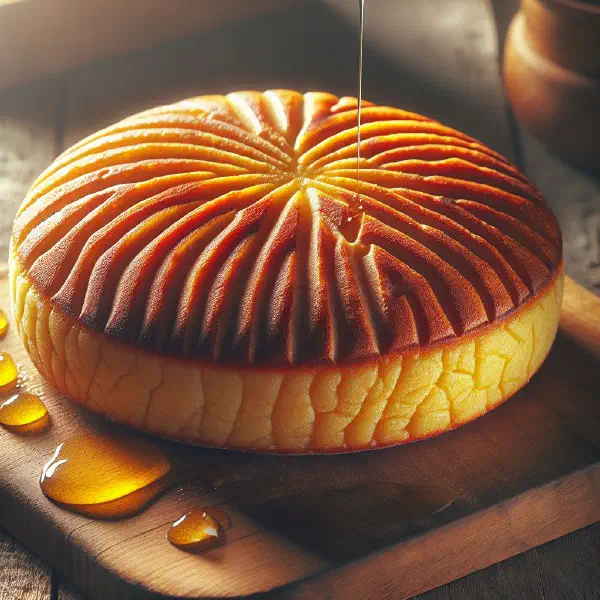
The recipe for cassava bread is easy to tailor to your own preferences. For a sweeter version, you can stir in a tablespoon of honey or sugar. That makes the bread a great base for dessert too, especially when served with jam or chocolate. Just remember to adjust the amounts of any added ingredients to the total quantity of dough, so you keep the right consistency.
Ingredient substitutions
If you don’t have cassava to hand, you can use sweet potato flour in place of cassava flour to achieve a similar result. You also have plenty of choices when it comes to the oil: olive oil or avocado oil are both healthy alternatives. Bear in mind that the texture and flavour may vary slightly, though that is not necessarily a bad thing, the same spirit of experimentation shines through in Cassava Fritters and Cassava Pone. It is well worth trying different ingredients to find the variations you like best.
Drink pairing ideas
Cassava bread pairs wonderfully with a variety of drinks. A fresh fruit juice such as pineapple or mango juice is a perfect match for this savoury bread. A light lager or a sparkling water with lemon also makes a refreshing accompaniment. For an alcohol-free option, you might serve a herbal tea or a cooling coconut drink to stay true to the Caribbean spirit, a chilled glass of Mauby works a treat.
Serving and presentation ideas
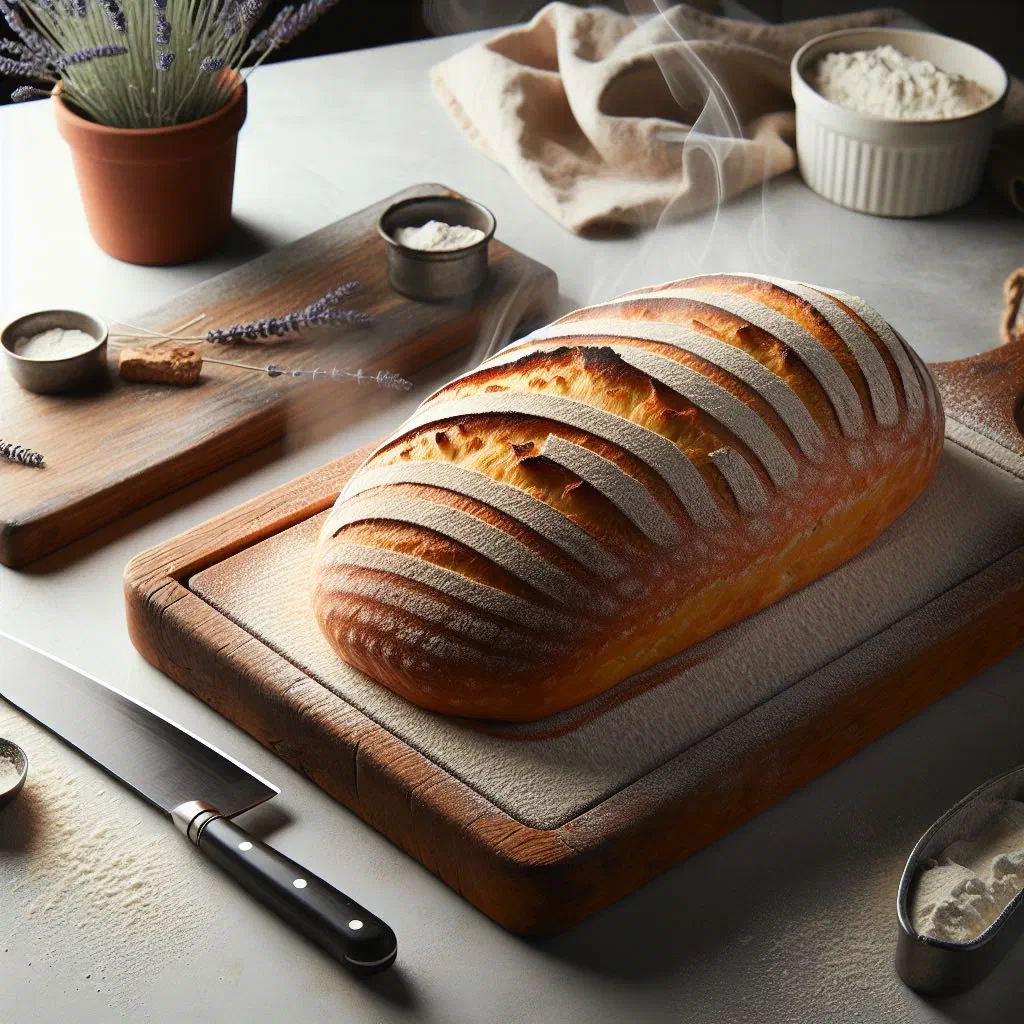
Presentation matters when it comes to elevating the whole eating experience. Serve the cassava bread on a beautiful wooden board or in a rustic bowl. Add a few fresh herbs or edible flowers for decoration to lend the dish a touch of elegance. You can also arrange various dips or spreads in small bowls around the bread to create an inviting and appealing spread.
A bit of history
The roots of cassava bread reach deep into the history of the indigenous peoples of Guyana and the Caribbean. The cassava root was traditionally used by these cultures as a staple food and woven into a wealth of recipes. The bread itself has evolved over time and remains hugely popular in modern kitchens. It is part of the cultural heritage and a symbol of a close bond with nature and with the traditions of the ancestors, a thread that runs through much of Guyanese cuisine.
More recipe ideas
Summary: Cassava Bread
Cassava bread is a simple and tasty dish made from the cassava root, and it makes an excellent gluten-free food. With its versatile preparation and the option to adapt it to your own tastes, this bread is loved not only in Guyana but internationally too. It offers an ideal base for all kinds of accompaniments and is just as at home at a large gathering as in everyday cooking. Let this Caribbean treat win you over, and bring a little of Guyana’s culinary tradition to your own table.