National Dish Haiti: Akra (Recipe)
In this article
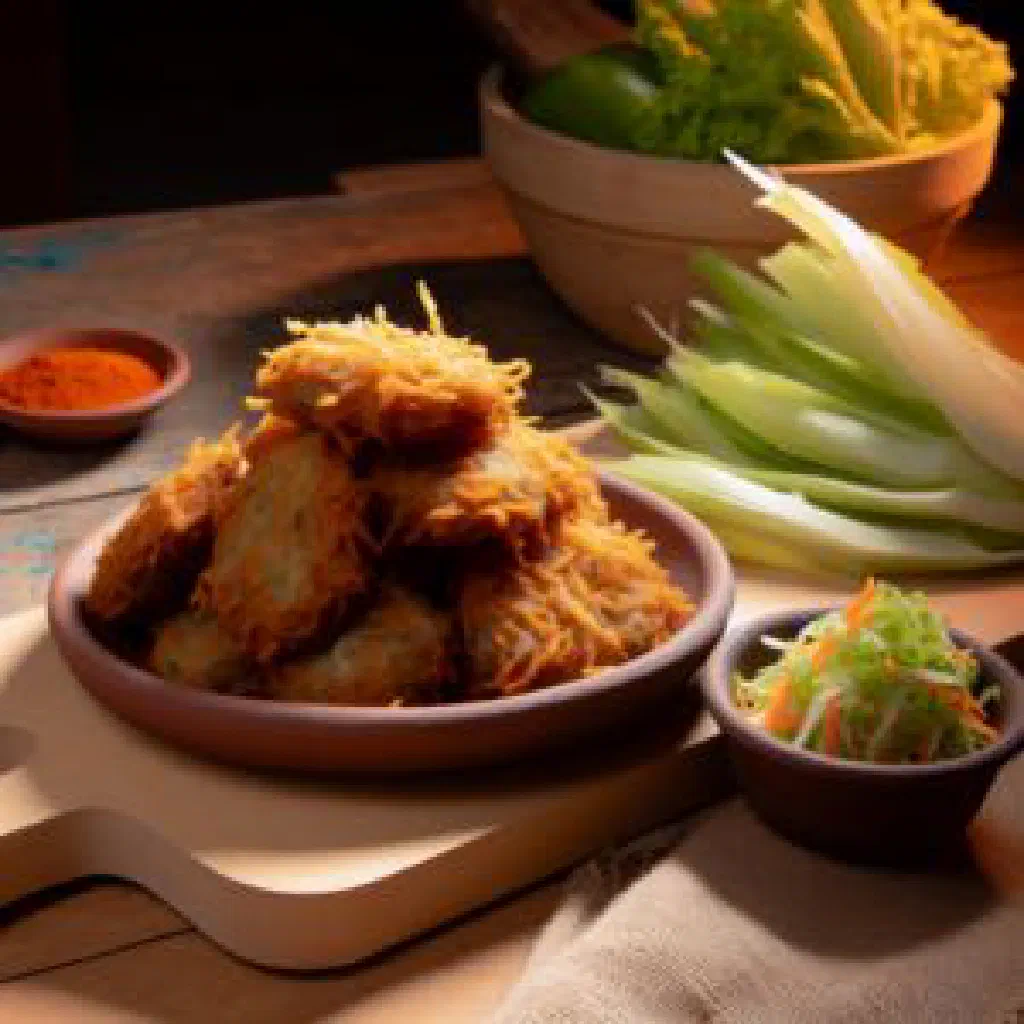
Meet Akra, one of Haiti’s most beloved street-food treats. These crispy fried fritters, built around cassava flour and a lively mix of seasonings, are as at home at a festive gathering as they are in a paper cone on a busy street corner. Golden on the outside and tender within, they carry the warm, garlicky aromas that define Haitian cuisine. Bring a little of that island buzz to your own kitchen with a batch of these very good bites.
About Akra
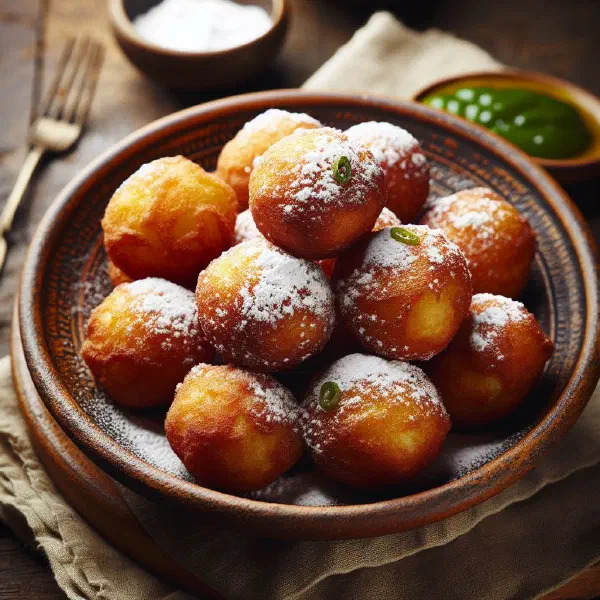
Akra is a traditional Haitian dish, deeply rooted in the culture and culinary customs of the island. These crispy fried balls made from cassava flour are a popular snack and a fixture at celebrations and festivals. Thanks to a generous combination of spices and fresh herbs, akra delivers a distinctive taste experience that wins people over instantly. If you want to explore Haitian cooking, akra is an absolute must.
Ingredients (serves 1–2)
- 250 g cassava flour
- 1 small onion, finely chopped
- 1 clove of garlic, crushed
- 1 tsp salt
- 1 tsp pepper
- 1 tsp paprika
- 1/2 cup water (as needed)
- Oil, for frying
Shopping for the ingredients
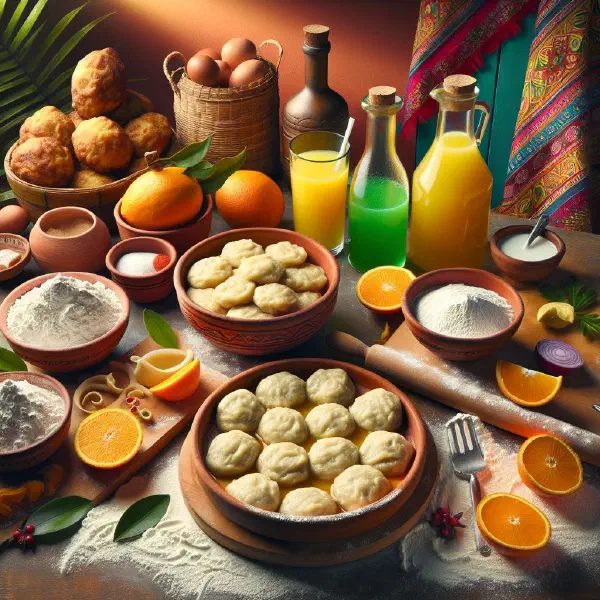
The ingredients for akra are widely available and can be found in most supermarkets. Cassava flour, also known as yucca flour, is the key component and forms the base of the dish. It is worth reaching for fresh, good-quality spices and herbs to draw out the very best flavour. Make sure the oil you use has a high smoke point, so the frying gives you those perfectly crisp results.
Preparing the dish
To make akra, start by getting your ingredients ready. Chop the onion and crush the garlic, making sure they are evenly distributed through the batter. Measure the cassava flour and the water carefully to achieve a well-bound mixture. Good preparation makes the cooking easier and contributes to a truly delicious end result.
Step-by-step instructions
- In a large bowl, combine the cassava flour with the onions, garlic, salt, pepper and paprika.
- Gradually add water until you have a sticky batter.
- Heat oil in a deep pan until it is bubbling hot.
- Using two tablespoons, drop small portions of the batter into the hot oil.
- Fry the akra until golden brown on both sides, then drain on kitchen paper.
Gluten-free / lactose-free version
Akra is naturally gluten-free, as it is made with cassava flour, which contains no gluten. That makes it a great choice for anyone with a gluten intolerance. On top of that, all the other ingredients in their original form are lactose-free as well. You can enjoy akra without a second thought about gluten or lactose, much like the similarly cassava-based Beignets De Malanga.
Tips for vegans and vegetarians
Akra is an excellent choice for vegetarians and vegans, since the dish is entirely plant-based. Just make sure no animal products such as milk or eggs sneak into the preparation. Experiment with different spices or herbs to adjust the flavour to your own liking. Akra can also be served with vegan dips or salsas to lift the whole plate.
More tips and tricks
To achieve the perfect texture for your akra, play with the amount of water you add to the batter. The mixture should be sticky and mouldable, so the fritters hold together well in the oil. Take care not to overheat the oil, as this can scorch the outside while the inside stays raw. At the same time, you can fold in fresh ingredients such as finely chopped peppers or coriander to deepen the aromas.
Adapting the recipe to your taste
The basic akra recipe can be adapted in countless ways to suit different palates. Add diced courgette or carrots, for example, for an extra dimension of flavour. You can also experiment with the heat by stirring in freshly chopped chillies or a pinch of chilli powder.
Ingredient substitutions
If you don’t have cassava flour to hand, you can experiment with potato flour or rice flour instead. These flours change the texture of the batter slightly but can still produce tasty akra. If you are not keen on onions, simply leave them out or swap them for spring onions.
Drink pairing ideas
A cold, refreshing drink pairs beautifully with a plate of akra. A fruity cocktail or an ice-cold lime-and-mint cooler complements the savoury fritters perfectly. Alternatively, reach for traditional Haitian drinks such as a fruit compote or a splash of rum to round off the meal, a creamy Cremas is a festive favourite. These drinks lift the whole culinary experience to another level.
Serving and presentation ideas
Akra can be presented very invitingly by arranging it on an attractive plate. Add a few fresh herbs or vegetable pieces as a garnish to bring the colours to life. Sauces, such as a spicy salsa or an avocado-based dip, make an appealing addition and offer your guests a range of flavours, the fiery Haitian relish Pikliz is a classic partner. Remember, we eat with our eyes first.
A bit of history
The roots of akra reach deep into Haitian history and culture. Originally prepared by enslaved Africans in Haiti, the dish grew into a symbol of cultural identity. Over the centuries, akra has become a firm part of Haitian cuisine and a beloved snack at festivals and holidays. It is a piece of history, embodying the traditions and spirit of Haiti, a heritage it shares with hearty classics like Griot.
More recipe ideas
Summary: Akra
Akra is a wonderful, deeply rooted Haitian dish made from cassava flour and fresh spices. With their crisp, golden-brown crust, these little fritters are perfect for festive occasions or simply as a delicious snack. The preparation is straightforward and leaves plenty of room for personal touches to suit every taste. Enjoy akra on your own or share a plateful with friends and family to make the most of the flavour experience.