National Dish Haiti: Diri Blan ak Sòs Pwa (Recipe)
In this article
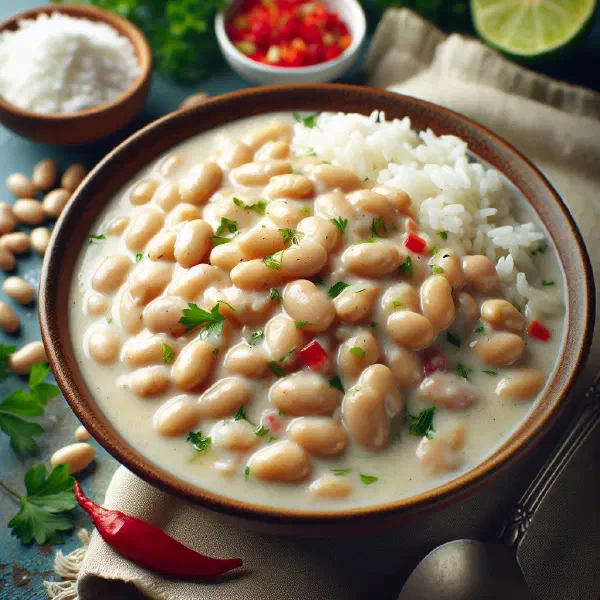
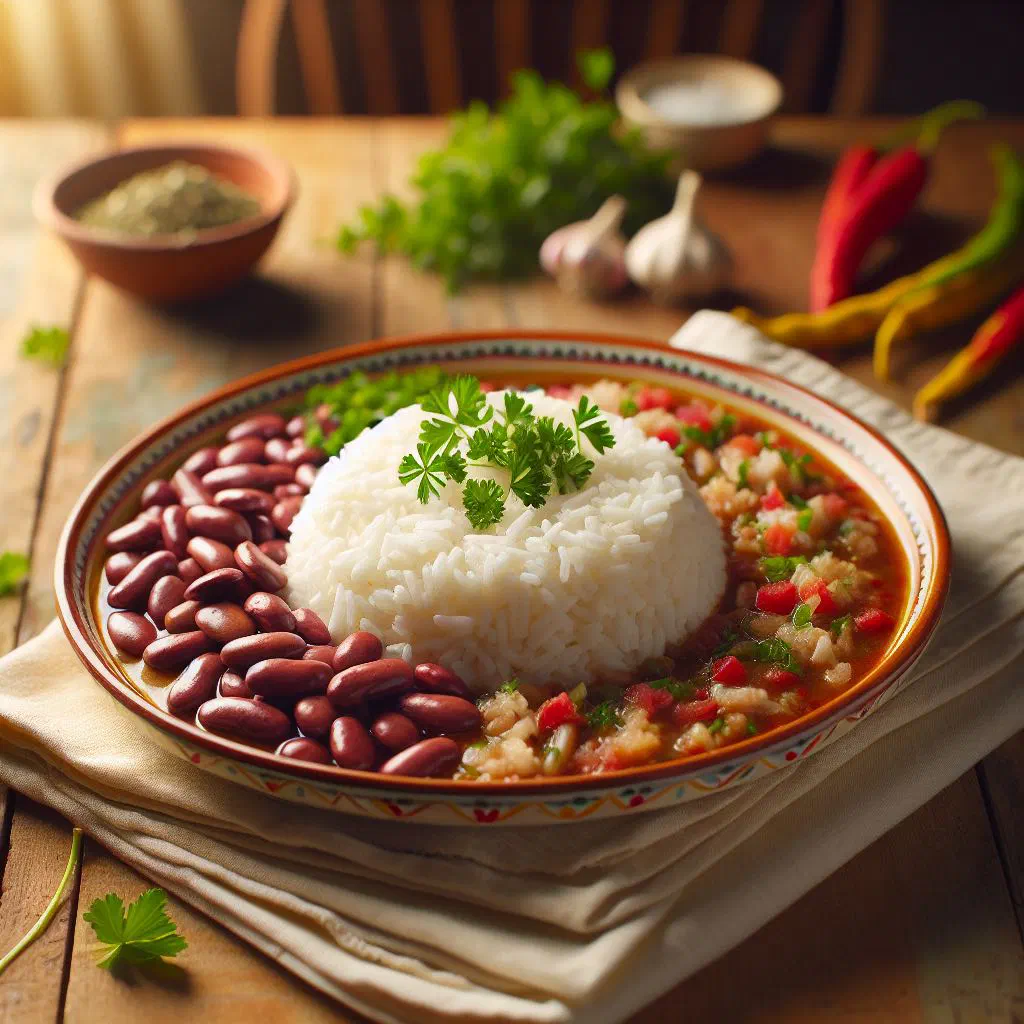
Say hello to Diri Blan ak Sòs Pwa, a comforting Haitian classic that pairs fluffy, snow-white rice with a rich, savoury bean sauce. Simple, nourishing and full of warmth, it is the kind of everyday dish that turns humble store-cupboard staples into something genuinely satisfying. With its bright colours and gentle, earthy flavours, this is soul food from the Caribbean that welcomes everyone to the table.
About Diri Blan ak Sòs Pwa
Diri Blan ak Sòs Pwa is a traditional Haitian dish that captures the culinary richness of the island. It brings together fluffy white rice and a savoury bean sauce, a pairing that is as nourishing as it is flavourful and wonderfully easy to prepare. The harmonious flavours and the colourful presentation make it a real highlight at any dinner table, whether served as a comforting weeknight meal or as part of a larger spread.
Ingredients (serves 1–2)
- 1 cup white rice
- 2 cups water or vegetable stock
- 1 tin black or red beans
- 1 onion, chopped
- 2 cloves garlic, chopped
- 1 pepper, diced
- 2 tablespoons vegetable oil
- Salt and pepper to taste
- Fresh herbs, to garnish (e.g. coriander)
Shopping for the ingredients
When shopping for the ingredients for Diri Blan ak Sòs Pwa, it pays to look for freshness and quality. Choose good-quality rice and fresh vegetables to get the very best flavour. Beans are an excellent source of protein, and you can use either fresh or tinned varieties depending on what is easiest to hand. Where possible, opt for organic produce to make your meal even more wholesome.
Preparing the dish
Getting Diri Blan ak Sòs Pwa ready is straightforward and does not take long. Begin by rinsing the rice thoroughly to wash away excess starch, which keeps the grains light and fluffy once cooked. Rinse the beans too if you are using the tinned kind. Then prepare the vegetables, chopping and dicing them so everything is ready to go before you start cooking.
Step-by-step instructions
- Heat the vegetable oil in a pan and fry the onion and garlic until golden brown.
- Add the diced pepper and sauté briefly with the aromatics.
- Stir in the beans and let everything simmer for a few minutes.
- Pour in the water or stock and bring the mixture to the boil.
- Add the rice, stir well, then reduce the heat to low.
- Cover the pan and let the rice steam for about 20 minutes, until tender and cooked through.
- Serve the rice with the bean sauce and garnish with fresh herbs to taste.
Gluten-free / lactose-free version
Diri Blan ak Sòs Pwa is naturally gluten-free and lactose-free, making it an ideal choice for anyone with intolerances. Just take care that the ingredients you use, especially the stock and the beans, really are free from gluten and lactose. This flexibility makes the dish a wonderful option for anyone following a healthy diet, and it is easy to tweak to make it even more nutritious.
Tips for vegans and vegetarians
Diri Blan ak Sòs Pwa is a vegan and vegetarian dish that is rich in protein and fibre. For an even more nourishing version, stir in some chopped spinach or kale. This boosts the nutritional content and adds extra layers of flavour. Using different kinds of beans brings whole new aromas into play and keeps things interesting on the plate. It sits comfortably alongside other plant-based favourites of Haitian cuisine, such as Legim.
More tips and tricks
To make Diri Blan ak Sòs Pwa even tastier, try adding spices such as cumin or paprika. These lend the dish a special note and deepen its flavour. Feel free to experiment with the amount of seasoning as you cook to discover what suits you best.
Adapting the recipe to your taste
The beauty of Diri Blan ak Sòs Pwa is how easily you can adjust it to your own preferences. If you like it hotter, try adding a few fresh chillies or a pinch of cayenne pepper. For a milder version, combine the beans with a little more vegetable and go easy on the spices. A squeeze of lemon or lime just before serving can also give the dish a refreshing lift.
Ingredient substitutions
If you do not have certain ingredients to hand, there are plenty of alternatives to fall back on. Instead of beans, you could use lentils, which offer a similar nutritional profile. For the rice, try quinoa or bulgur to bring a different flavour and texture to the plate, much like the varied grains that shine in Riz National.
Drink pairing ideas
To round off the experience of Diri Blan ak Sòs Pwa, a well-chosen drink makes all the difference. A freshly squeezed lemon juice or a fruity mocktail pairs beautifully with this dish. A cool coconut lemonade can complement the flavours of the meal wonderfully too, while a selected white wine goes nicely with the savoury notes of the bean sauce. A glass of Kola Champagne is another cheerful Haitian option.
Serving and presentation ideas
When it comes to plating, you can let your creativity run free. Serve Diri Blan ak Sòs Pwa in a colourful bowl and garnish it with fresh herbs such as coriander or parsley. A splash of lemon adds a fresh accent to both the flavour and the look of the dish. You might also flank it with some sautéed vegetables or crisp salad leaves for extra colour and texture.
A bit of history
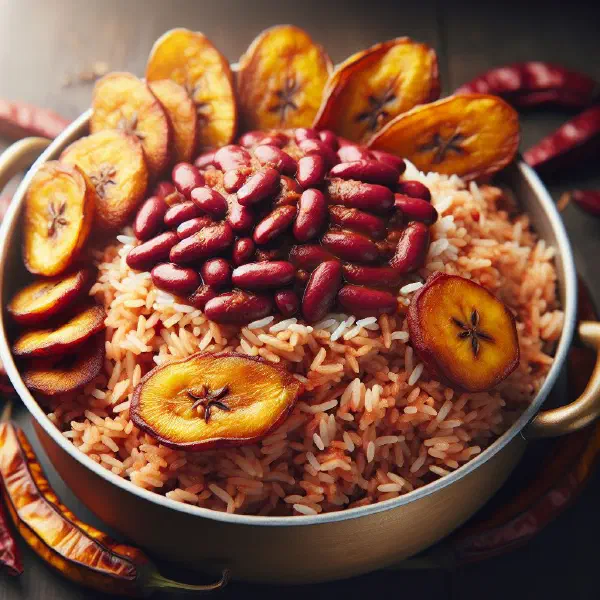
Diri Blan ak Sòs Pwa is a part of Haitian culture. Its roots run deep in the history of the Haitian people, shaped by many different influences over the centuries. Rice is a staple food in many parts of the world, and it has long been an important source of nourishment in Haiti too. Pairing it with beans reflects both the availability of local ingredients and the wholesome, hearty character of the island’s cooking, the same spirit found in dishes like Diri Kole ak Pwa.
More recipe ideas
Summary: Diri Blan ak Sòs Pwa
Diri Blan ak Sòs Pwa is a simple, flavourful dish that is easy to make at home. With its combination of fluffy rice and a hearty bean sauce, it offers a full, satisfying flavour and plenty of nutritional benefits. It is a wonderful way to enjoy the flavours of Haiti and bring something new to your own kitchen. Experiment with different ingredients and make it your very own culinary experience.