National Dish Hungary: Almás Pite (Recipe)

In this article
Meet Almás Pite, the Hungarian apple pie that has been warming kitchens across the country for generations. Juicy apples, a whisper of cinnamon and a tender, buttery pastry come together in a bake that smells of autumn and tastes of home. It is the sort of pudding that appears at family celebrations and quiet afternoons alike, simple to make, impossible to resist and best eaten while still faintly warm from the oven.
About Almás Pite
Almás Pite, or Hungarian apple pie, ranks among the best-loved desserts in Hungarian cooking. The combination of juicy apples, fragrant spices and a crisp, short pastry makes for a truly memorable mouthful. Traditionally it is served at festive gatherings or as the sweet close to a relaxed evening. It is also something of a symbol of Hungarian hospitality, a bake meant to be shared generously with friends and family.
Ingredients (serves 1–2)
- 250 g plain flour
- 125 g sugar
- 125 g butter (or margarine)
- 2 eggs
- 500 g apples (Bramley or Elstar work well)
- 1 tsp cinnamon
- 1 pinch of salt
- 1 tsp baking powder
Shopping for the ingredients
The ingredients for almás pite are easy to find in most supermarkets. Do take care to choose fresh, well-flavoured apples, as they shape the character of the whole pie. Cinnamon and the other spices matter too, lending warmth and depth to the filling. It is worth investing in good-quality butter, which is what makes the pastry so tender.
Preparing the dish
Before you begin, peel, core and slice the apples thinly. This ensures they cook evenly and gives the finished pie a better texture. While you work, heat the oven to 180°C so the bake cooks through steadily from the start. Grease a baking tin with butter or line it with baking parchment to stop anything sticking.
Step-by-step instructions
- In a bowl, combine the flour, sugar, salt and baking powder.
- Cut the cold butter into pieces and add it to the flour mixture along with the eggs.
- Knead everything into a smooth dough and leave it to rest for a few minutes.
- Meanwhile, toss the prepared apples with the cinnamon.
- Divide the dough in half and press one half into the prepared tin.
- Spread the apples evenly over the base and lay the second piece of dough on top.
- Bake in the preheated oven for 40–50 minutes, until golden brown.
Gluten-free / lactose-free version
Making almás pite gluten-free is straightforward: simply use a gluten-free flour blend formulated for baking. For a lactose-free version, reach for margarine or a plant-based butter alternative. Neither swap changes the flavour of the pie in any meaningful way, yet both open it up to far more people at the table.
Tips for vegans and vegetarians
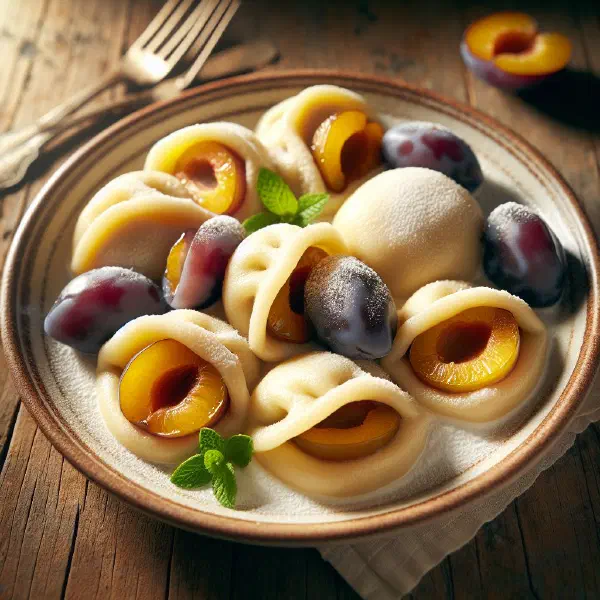
Vegans can make almás pite by replacing the eggs with apple sauce or mashed banana. Both bind the dough nicely and bring a gentle extra sweetness. The butter, likewise, can give way to a plant-based alternative. The result is a vegan bake every bit as good as the original, and the pie is naturally vegetarian as it stands, much like the fruit-filled Szilvás Gombóc.
More tips and tricks
The most important trick with almás pite is the choice of apples. Use a mixture of sweet and sharp varieties to build an interesting balance of flavour. A dusting of icing sugar over the surface once the pie has cooled adds a pretty finishing touch. You might also experiment with further spices such as cloves or nutmeg to create an aroma that is entirely your own.
Adapting the recipe to your taste
One of the great strengths of almás pite is how adaptable it is. Stir nuts or raisins into the filling for extra texture and flavour, or dial the sweetness up and down by adjusting the sugar or using an alternative sweetener. A splash of vanilla extract in the dough deepens the aroma further, in the same spirit as the layered sweetness of Rétes.
Ingredient substitutions
For anyone with particular dietary needs there are plenty of alternatives. Instead of ordinary flour you could try coconut or almond flour, though these will alter the texture of the pastry slightly. If you would rather avoid sugar altogether, natural sweeteners such as stevia or honey make good options. Go carefully with the quantities, as both are often noticeably sweeter than sugar.
Drink pairing ideas
Several drinks flatter almás pite and pick up on the warmth of the spices. A glass of fresh apple juice or a small, strong Turkish coffee both work beautifully. A fruity red wine also complements the filling rather well. For an alcohol-free option, a spiced tea such as chai is an interesting choice that echoes the cinnamon in the pie.
Serving and presentation ideas
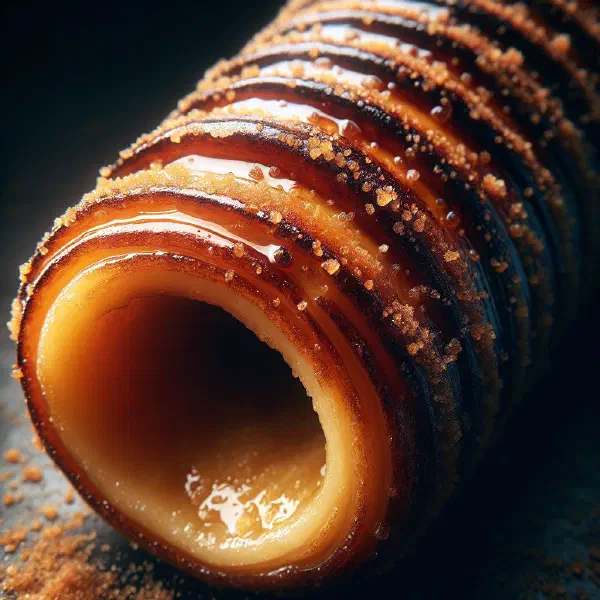
Presentation lifts almás pite from good to memorable. Serve it warm, perhaps with a scoop of vanilla ice cream or a spoonful of whipped cream. A few mint leaves or a final pinch of cinnamon make an attractive garnish. Setting the pie out on a rustic wooden board with a couple of fresh apples alongside creates an inviting, homely spread, as welcoming as a plate of Kürtőskalács.
A bit of history
Almás pite has a long history in Hungarian cooking and is closely bound up with family tradition. It has been baked in Hungarian households for generations and remains a fixture at feasts and holidays. The pie reflects a close connection with the land, drawing on the seasonal apples that grow so abundantly across the country. That heritage and cultural weight make it one of the most cherished sweets in Hungarian cuisine.
More recipe ideas
Summary: Almás Pite
Almás pite is more than a delicious apple pie; it is a symbol of Hungarian culture. Fresh apples, fragrant spices and tender pastry combine into an experience that pleases the palate and the heart in equal measure. It never fails to please. Give the recipe a go and see for yourself why this bake has won over so many people.