National Dish Hungary: Dödölle with Soured Cream (Recipe)
In this article
Meet Dödölle, the humble Hungarian potato dumpling that has been passed down through farmhouse kitchens for generations. A handful of everyday ingredients, potatoes, flour and plenty of butter, turn into something wonderfully soft, golden and comforting. Finished with a cool spoonful of soured cream, it is the kind of dish that fills the kitchen with warmth long before it reaches the table.
About Dödölle with Soured Cream
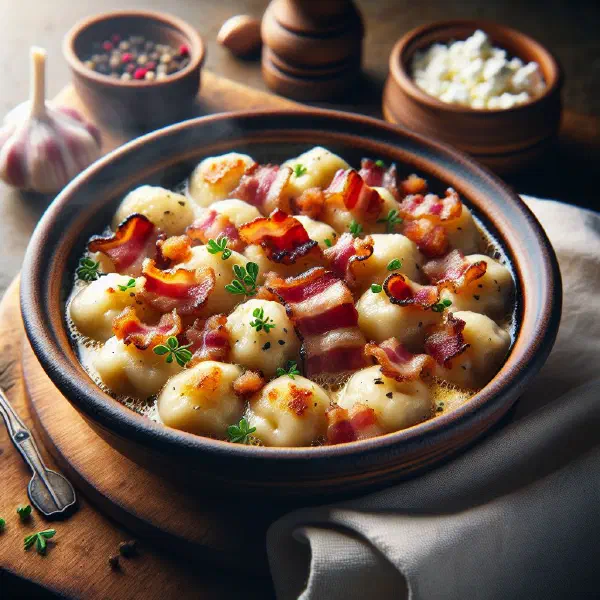
Dödölle are traditional Hungarian potato dumplings, prepared in countless families across the country for well over a century. The dish captures the warm-hearted generosity of Hungarian home cooking while remaining refreshingly simple to make. Flavours such as mashed potato, rich butter and a tangy hint of soured cream make every mouthful memorable. Dödölle bring the taste of Hungary straight to your table.
Ingredients (serves 1–2)
- 500 g potatoes
- 100 g plain flour
- 1 egg
- 50 g butter
- Salt to taste
- To serve: 100 g soured cream
Shopping for the ingredients
When shopping for Dödölle, the quality of the potatoes matters more than anything else. Choose floury potatoes, as these break down beautifully during cooking and give the dumplings a far pleasanter texture. Fresh produce is equally important if you want the full character of the dish to come through. And do not skimp on the soured cream, a good, thick one lifts the finished plate enormously.
Preparing the dish
Before you start making Dödölle, peel the potatoes thoroughly and give them a good wash. Cut them into evenly sized pieces so they cook through at the same rate. Simmer them in salted water for around 20 minutes, until completely tender. Drain them well and let them steam dry for a few moments before you carry on, excess moisture is the main enemy of a good dumpling dough.
Step-by-step instructions
- Mash the cooked potatoes and tip them into a large bowl.
- Add the egg and the flour, then mix thoroughly.
- Season with salt and knead everything into a smooth, pliable dough.
- Shape small portions of the dough into dumplings.
- Bring a pan of salted water to the boil and lower the dumplings in.
- The dumplings are done once they rise to the surface (about 5–7 minutes).
- Serve with melted butter and soured cream.
Gluten-free / lactose-free version
For a gluten-free take on Dödölle, swap the plain flour for a good gluten-free blend. Watch the ratio carefully, as the dough consistency can change and may need a touch more flour. For a lactose-free version, use plant-based butter and lactose-free soured cream.
Tips for vegans and vegetarians
Vegans can replace the egg quite easily with a mixture of ground linseed and water: use 1 tablespoon of ground linseed to 2½ tablespoons of water to get the binding you need. Instead of soured cream, reach for one of the many plant-based alternatives made from soya or coconut. The authentic flavour survives the switch beautifully, with no animal products involved, much the same approach works for Paprikas Krumpli.
More tips and tricks
To make Dödölle even more delicious, fry the boiled dumplings briefly in clarified butter before serving. This gives them a lovely golden crust and a slight crispness against the soft centre. You can also work spices such as paprika or caraway into the dough for extra depth. Experiment freely until you land on the version your household likes best.
Adapting the recipe to your taste
Dödölle are wonderfully versatile and easy to shape around personal preference. Fold chopped onions or grated cheese into the dough for a fuller, more savoury result. The accompaniments are just as flexible. Try different sauces or vegetables to keep the dish interesting. Approached this way, Dödölle can be reinvented again and again without ever losing their character.
Ingredient substitutions
If you have no plain flour to hand, rice flour or potato starch both work, giving a lighter and naturally gluten-free dumpling. In place of butter, olive oil or coconut oil are equally flavourful. You can be just as creative with the sides, folding in seasonal vegetables in the spirit of Töltött Paprika. That keeps the dish fresh and in tune with the time of year.
Drink pairing ideas
Hungarian wines suit Dödölle particularly well, a light white or a characterful red both hold their own against the buttery richness. A refreshing sparkling mineral water with lemon is an excellent alcohol-free choice. For a more festive spread, a small glass of Hungarian fruit brandy rounds things off nicely. Together they make for a thoroughly authentic Hungarian meal.
Serving and presentation ideas
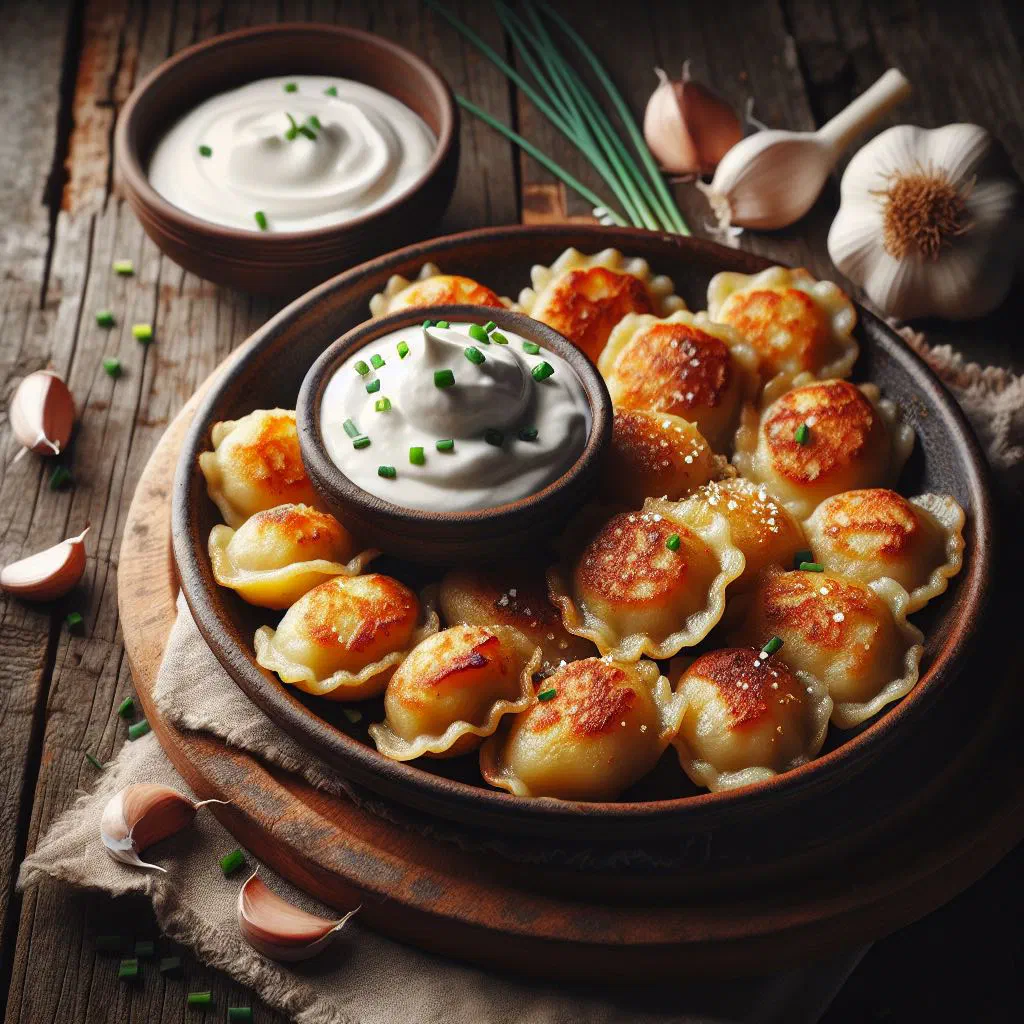
To present Dödölle elegantly, arrange them on a large, shallow platter. Garnish the dumplings with freshly chopped herbs such as parsley or chives. Set small bowls of soured cream and perhaps some crisp fried onions on the table so everyone can help themselves. A colourful side of steamed vegetables makes the plate more appealing to both the eye and the palate.
A bit of history
Dödölle have their roots in the hearty cooking of continental Europe and have been cherished in Hungary for centuries. Originally a simple, filling meal for farmers and labourers, they remain hugely popular today. They reflect the tradition of Hungarian home cooking and stand as a fine example of the modest but deeply flavourful Hungarian cuisine. Every batch brings a small piece of Hungarian history to the table, much like a bowl of Tejfölös Gulyás.
More recipe ideas
Summary: Dödölle with Soured Cream
Dödölle are a down-to-earth and thoroughly satisfying dish that embodies the flavours of Hungary. With just a few ingredients and a straightforward method, they bring the warmth of Hungarian cooking straight onto the plate. Served as a main course or as a side, these dumplings are versatile and universally liked. Let this speciality tempt you and enjoy a taste of Hungary in your own home.