National Dish Hungary: Libamájpástétom (Recipe)
In this article
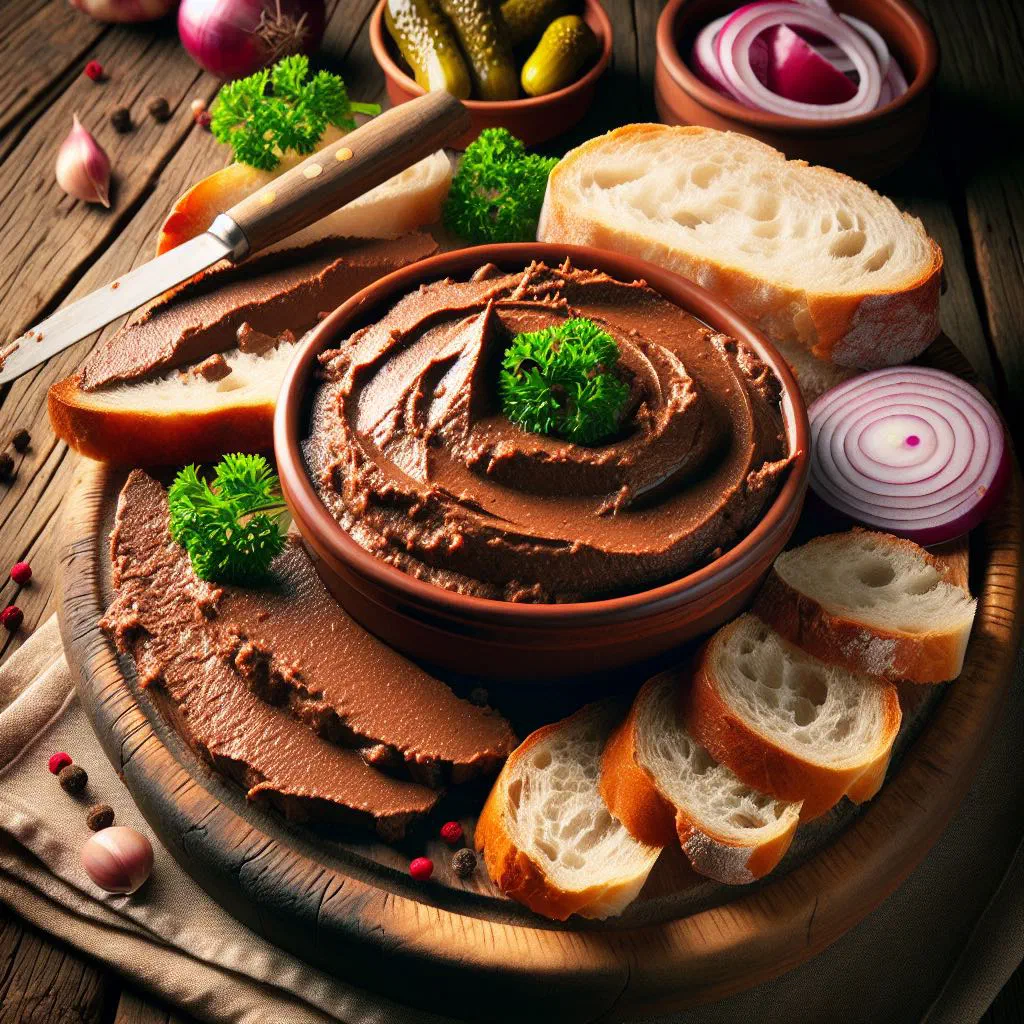
Meet Libamájpástétom, Hungary’s silky goose liver pâté and one of the country’s proudest delicacies. Spread thickly onto warm, crusty bread, it delivers a velvety texture and a deep, buttery richness that few starters can match. It is the sort of dish Hungarians bring out for celebrations and long, unhurried gatherings, and with a handful of good ingredients you can recreate it at home.
About Libamájpástétom
Libamájpástétom is a Hungarian delicacy that is as much a piece of cultural heritage as it is a treat for the palate. This exquisite goose liver pâté is defined by its tender, almost mousse-like texture and its intensely rich flavour. Most often served as a starter or spread over freshly baked bread, it brings the aromas of Hungary straight to your table. Even a small spoonful sets off a genuine firework of flavour, which is why it remains an absolute must for every food lover.
Ingredients (serves 1–2)
- 200 g goose liver
- 50 g butter
- 1 small onion
- 1–2 tablespoons cognac or brandy
- Salt and pepper to taste
- Fresh baguette, to serve
Shopping for the ingredients
To make a perfect Libamájpástétom, choose ingredients that are fresh and of the very best quality. Visit a local market or a good delicatessen for the goose liver, as it is often only stocked by specialist food shops. Make sure the butter is equally fresh, since it carries and rounds out the flavour of the pâté. The quality of the baguette matters just as much, because it forms the foundation of the whole experience.
Preparing the dish
Before you begin cooking, it pays to have everything neatly prepared. Chop the onion finely so its flavour distributes evenly through the paste rather than sitting in noticeable pieces. Let the goose liver come up to room temperature, which makes it more tender and far easier to work with. These small steps are decisive for the quality of the finished pâté and go a long way towards a delicious result.
Step-by-step instructions
- Heat 25 g of the butter in a pan and fry the finely chopped onion until translucent.
- Add the goose liver and sear it briefly until golden brown outside but still pink in the middle.
- Pour in the cognac and carefully flambé the mixture to burn off the alcohol.
- Transfer everything to a food processor, add the remaining butter along with salt and pepper, and blend to a smooth paste.
- Pour the paste into a suitable dish and chill in the fridge for at least two hours until firm.
Gluten-free / lactose-free version
To serve Libamájpástétom gluten-free, simply offer gluten-free bread or crackers alongside it instead of baguette. Swapping regular butter for plant-based margarine or lactose-free butter makes the dish suitable for anyone who is lactose intolerant. Neither adjustment takes anything away from the full, rounded flavour of the pâté, so everyone at the table can enjoy it.
Tips for vegans and vegetarians
Vegans and vegetarians can take inspiration from Libamájpástétom without using any meat at all. A blend of cashew nuts and mushrooms produces a creamy, savoury alternative with a surprisingly similar mouthfeel. Lean on herbs and spices to build a flavour that comes close to the original. It is an excellent way to enjoy the aromas of Hungarian cuisine in a fully plant-based form.
More tips and tricks
One useful tip is to pay close attention to how the ingredients behave together. Do not let the butter get too hot, or it will separate and spoil the smoothness of the paste during blending. You can also add extra depth by working in herbs such as thyme or rosemary. Small adjustments like these can improve the eating experience considerably.
Adapting the recipe to your taste
The beauty of making Libamájpástétom is how easily it bends to personal preference. Use a different spirit, whisky or port wine in place of cognac, to steer the flavour in a new direction. You can also play with the consistency by adding more or less butter, depending on whether you prefer a firmer terrine or a creamier spread. That flexibility lets you shape the dish exactly to your own liking, much as cooks do with a hearty Goulash.
Ingredient substitutions
If goose liver is hard to find or you would rather not use it, there are alternatives worth trying. Some cooks reach for chicken liver, which offers a similarly rich and creamy texture at a gentler price. For a plant-based version, soya yoghurt or tofu can be used to achieve a comparable consistency. Substitutions like these make it easier to fit the dish around different dietary needs.
Drink pairing ideas
The right drink completes the Libamájpástétom experience. A light white wine such as a Chardonnay or a Hungarian Tokaji harmonises beautifully with the richness of the pâté. For special occasions, champagne or sparkling wine is a fine choice, as the lively bubbles cut cleanly through the creamy texture. Experiment with different combinations until you find the pairing that suits your own palate.
Serving and presentation ideas
Presentation can lift this dish enormously. Serve the pâté in small, elegant dishes and garnish it with fresh herbs or a spoonful of fig jam for a splash of colour. Neatly arranged slices of toast or crackers around the bowl create an inviting picture, and a basket of Pogácsa with Cheese alongside turns it into a proper spread. Remember that we eat with our eyes first, and a thoughtful arrangement improves the whole meal.
A bit of history
Libamájpástétom has a long history rooted deep in Hungarian tradition. The delicacy has been prized since the Middle Ages and remains a symbol of Hungarian hospitality to this day. In many Hungarian families, making this pâté is bound up with festive occasions and celebrations, in the same spirit as the Körözött that so often appears beside it. The craft of working with goose liver is passed down from generation to generation and remains an essential part of the national identity.
More recipe ideas
Summary: Libamájpástétom
In short, Libamájpástétom is not merely a dish but an experience that conveys the true taste of Hungary. With its tender texture and generous aromas, it is an absolute must for food lovers and curious home cooks alike. The preparation takes a little care, but with the right tips and tricks it is entirely achievable in a home kitchen. Let this culinary highlight tempt you and enjoy a genuine piece of Hungarian culture.