National Dish Hungary: Vargabéles (Recipe)
In this article
Discover Vargabéles, one of Hungary’s most beloved sweet bakes. Wafer-thin layers of pastry wrap around a generous filling of ground poppy seeds, toasted nuts or softly spiced apple, and the whole thing emerges from the oven golden and fragrant. It is the kind of pudding that belongs equally on a festive table and beside an afternoon coffee. Bring a little Hungarian warmth and hospitality straight to your own kitchen.
About Vargabéles
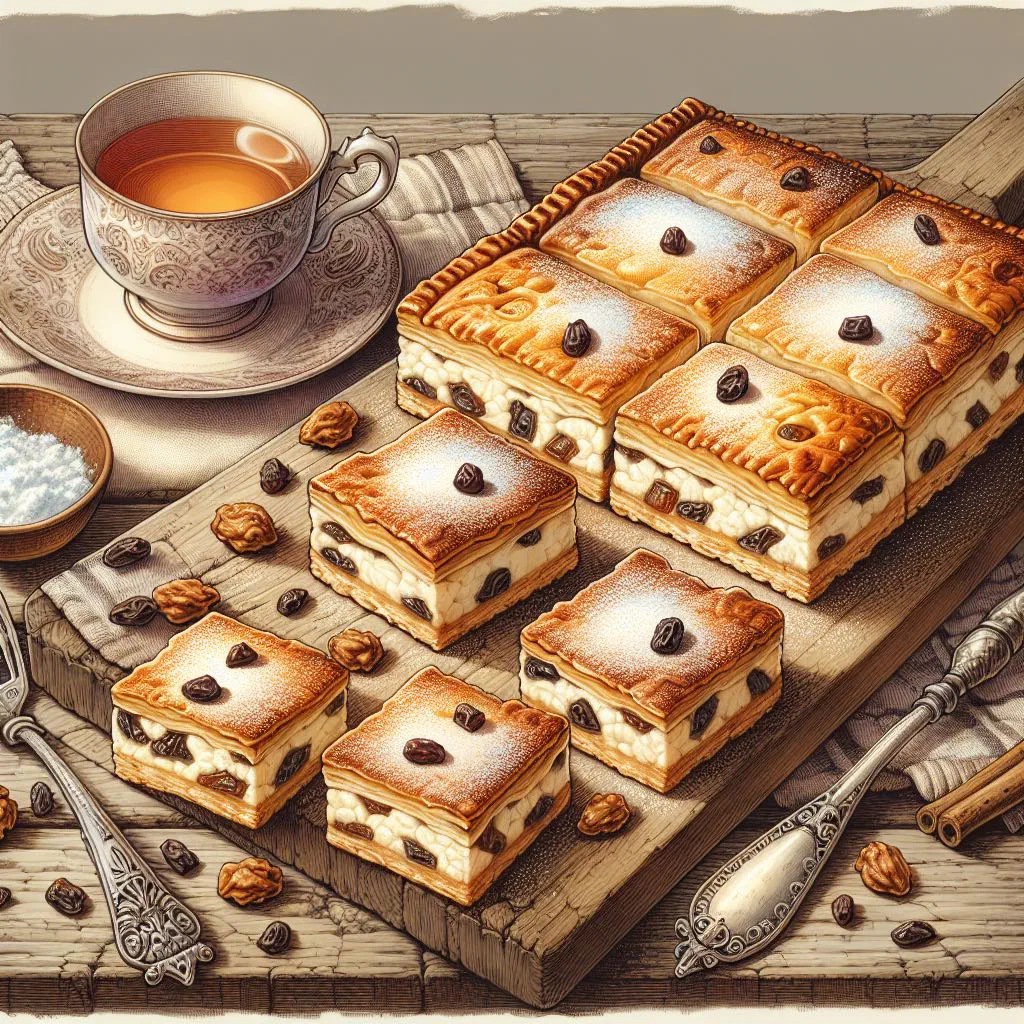
Vargabéles is no ordinary strudel. It is a marriage of tradition and flavour. This much-loved speciality of Hungarian baking is built from fine sheets of pastry that give a whole range of sweet fillings a stage on which to shine. From aromatic poppy seeds through crunchy walnuts to sweet, mellow apples, vargabéles brings all these flavours together under one golden crust. Served as a dessert or simply as a snack between meals, it puts Hungarian joie de vivre directly on the table.
Ingredients (serves 1–2)
- 250 g plain flour
- 125 ml water
- 60 ml oil
- 300 g ground poppy seeds or nuts (or apples)
- 100 g sugar
- 1 egg
- Dessert wine sabayon or icing sugar, for dusting
Shopping for the ingredients
When shopping for the ingredients for vargabéles, it pays to choose good-quality produce. With basics such as flour and sugar in particular, quality makes a real difference to the finished flavour. Head to a local market or a health food shop for fresh nuts or poppy seeds, which will give your pudding a special character. It is also worth considering unsweetened apple purée or dried fruit as a filling, which adds a lovely fruity note to the bake.
Preparing the dish
Preparing vargabéles begins with the pastry. The dough should be soft and supple so that it rolls out easily and thinly. Good strudel pastry needs a little rest, so leave it for around 30 minutes after kneading. While it relaxes, you can get on with the filling, depending on which flavour you have chosen. Poppy seeds or nuts should be finely ground so the filling stays smooth rather than gritty.
Step-by-step instructions
- Combine the flour, water and oil in a bowl and knead thoroughly to a smooth dough.
- Leave the dough to rest for about 30 minutes.
- Roll the dough out thinly and lay it on a floured tea towel.
- Spread your chosen filling evenly over the pastry.
- Roll the pastry up carefully and seal the ends well.
- Bake in a preheated oven at 180 °C for around 30–40 minutes.
- Before serving, dust with icing sugar or serve with dessert wine sabayon.
Gluten-free / lactose-free version
For anyone with an intolerance, vargabéles adapts readily. A gluten-free version is easy to achieve by using a gluten-free flour blend suited to pastry work. In place of traditional dairy products, lactose-free alternatives work well, especially in the fillings. There are also plant-based butter alternatives that behave beautifully when you are rolling out the dough.
Tips for vegans and vegetarians
Vegans can adjust vargabéles with very little effort by swapping animal products for plant-based ones. Instead of egg, for example, apple purée or a mixture of water and chia seeds will provide the binding you need. The filling can be tailored just as freely: agave syrup stands in nicely for honey. The delicious character of the bake is fully preserved, entirely without animal ingredients, much like a vegan take on Almás Pite.
More tips and tricks
A few tips and tricks make vargabéles even simpler to master. Take care to roll the pastry out evenly so that it bakes to a uniform golden colour. Use baking parchment to stop the strudel sticking to the tray and to lift it off cleanly afterwards. Another useful trick is to prepare the filling in advance so the flavours have time to mingle and deepen. That way the strudel tastes fresh and thoroughly aromatic from the first slice.
Adapting the recipe to your taste
Vargabéles is remarkably accommodating. Depending on your own preferences you can experiment with all sorts of fillings, chocolate chips, cinnamon and sugar mixtures, or even puréed berries for a fruity lift. If you fancy something more savoury, ingredients such as spinach or cheese can be worked into the filling instead. This flexibility is what makes the dish suitable for any occasion and any palate.
Ingredient substitutions
If some of the ingredients for vargabéles are not to hand, alternatives are easy to find. Spelt or rice flour, for instance, can replace wheat flour and give the pastry a slightly different character. For the filling, ground almonds or other nuts work well if poppy seeds are not your favourite, the same nutty richness that carries a Makós Guba. Many of the sugars can also be swapped for natural sweeteners such as stevia or honey.
Drink pairing ideas
A slice of vargabéles is best enjoyed with a well-chosen drink alongside. How about a cup of strong Hungarian coffee, which sets off the sweetness of the pudding beautifully? A fresh herbal tea is another good match, its gentle aromas harmonising with the sugar and nuts. A glass of white wine makes a more unusual choice, particularly when there is company around the table.
Serving and presentation ideas
The presentation of vargabéles can be lifted with a few small touches. Serve the strudel on a large, handsome platter and garnish it with fresh berries or mint leaves. A light dusting of icing sugar over the top makes all the difference to its appearance. A scattering of edible flowers is another lovely finish, bringing colour and freshness to the plate. Try the same approach with Somlói Galuska.
A bit of history
The history of vargabéles is closely bound up with Hungarian culture. Originally part of rural home cooking, it was handed down from one generation to the next. Traditionally the strudel appeared at special occasions and celebrations. Today it is firmly established as a favourite speciality, equally at home in restaurants and in domestic kitchens. The sheer variety of fillings reflects both the regional differences and the inventiveness of Hungarian cuisine.
More recipe ideas
Summary: Vargabéles
Vargabéles is a captivating bake that wins people over with its unique combination of flavour and texture. With the right technique and a careful choice of ingredients, anyone can recreate this Hungarian strudel at home. It will be the highlight of the table. Let it inspire you and enjoy a genuine slice of Hungarian culture.