National Dish Iceland: Fiskikaka (Recipe)
In this article
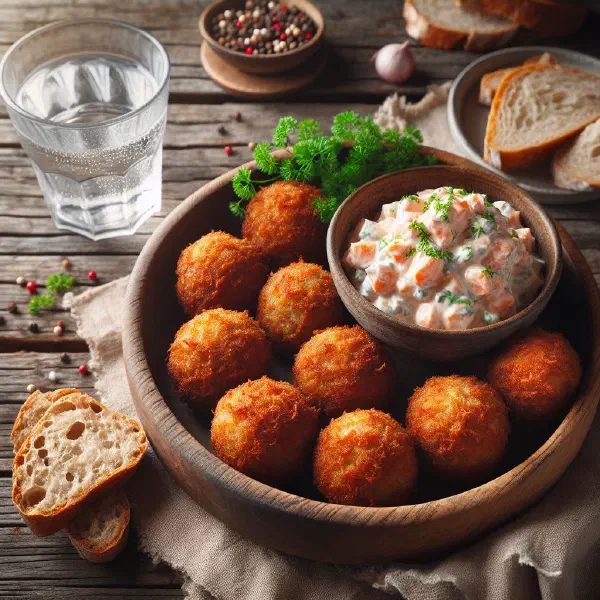
Meet Fiskikaka, the golden little fish cakes that have fed Icelandic households for generations. Made from nothing more than fresh white fish, onion, cream and a scattering of dill, they turn a humble catch into something genuinely special. Crisp at the edges, light and fluffy inside, they carry the clean, salt-air flavour of the North Atlantic straight to your kitchen table, and they are far easier to make than their reputation suggests.
About Fiskikaka
Fiskikaka is a traditional Icelandic speciality built around fresh fish, and in recent years it has quietly won admirers well beyond the island itself. It counts as both an everyday staple and a genuine delicacy, and it is a fine example of just how varied Nordic cooking can be. The combination of aromatic herbs and a light, fluffy texture makes it a highlight on any table, whether served as a starter or as the centrepiece of a family supper.
Ingredients (serves 1–2)
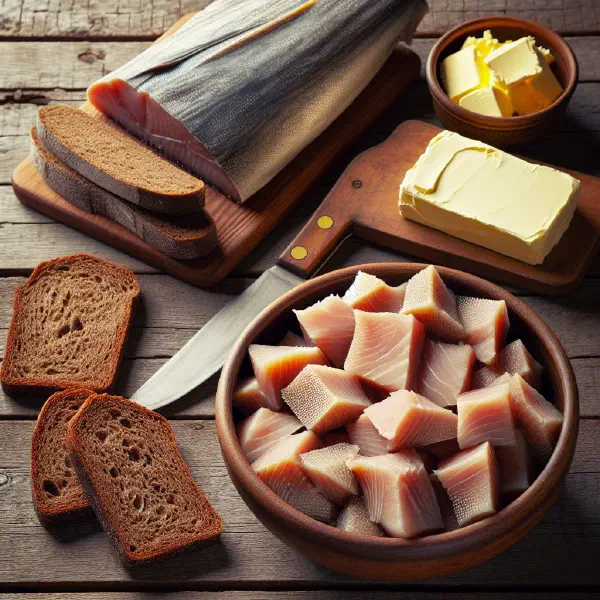
- 300 g fresh fish (cod or halibut, for example)
- 1 small onion, finely chopped
- 2 eggs
- 100 ml cream
- 50 g breadcrumbs
- 1 teaspoon dill, fresh or dried
- Salt and pepper to taste
- Butter, for frying
Shopping for the ingredients
For fiskikaka it really matters that you choose fresh fish. Look for fillets with a smooth, firm texture that smell clean and of the sea rather than fishy. The remaining ingredients, onions, eggs and herbs, are easy to find in any well-stocked supermarket or fresh produce market. If organic quality matters to you, seek out regional suppliers or a good health food shop, where line-caught fish of the sort used in Saltfiskur is often available too.
Preparing the dish
Getting fiskikaka ready is refreshingly straightforward. Begin by cutting the fish into small pieces and setting them aside. The onion can be used raw or lightly softened in a pan first; each approach brings a slightly different character to the finished cakes, with the softened version tasting noticeably sweeter. It pays to have everything measured out and within reach before you start, as the cooking itself takes only minutes.
Step-by-step instructions
- Combine the fish in a bowl with the chopped onion and the eggs.
- Add the cream and breadcrumbs and mix thoroughly until you have a smooth, even mixture.
- Stir in the dill and season with salt and pepper, then mix again.
- Heat a pan with butter and drop in small portions of the fish mixture.
- Fry the little cakes for around 3–4 minutes on each side until golden brown.
- Drain the finished fiskikaka briefly on kitchen paper and serve piping hot.
Gluten-free / lactose-free version
If you need to avoid gluten or lactose, adapting fiskikaka is simple. Replace the breadcrumbs with gluten-free breadcrumbs or finely ground oats, and use lactose-free cream in place of the ordinary sort. These swaps make no meaningful difference to the flavour, so nothing is lost. When choosing your fish, keep an eye on certifications as well, which is the surest way to guarantee quality.
Tips for vegans and vegetarians
There is a plant-based version of fiskikaka for vegan and vegetarian cooks. Swap the fish for vegetables such as courgette or aubergine, which season well and can be handled in exactly the same way. Chickpeas or tofu are excellent additions for texture and protein, giving the cakes enough body to hold together in the pan. Experiment with different herbs and spices to tune the flavour to your liking.
More tips and tricks
A few small habits will improve your fiskikaka considerably. Letting the mixture rest before frying gives it time to firm up and results in a much better consistency. The choice of pan matters too: a good non-stick pan stops the cakes catching and breaking as you turn them. It is worth trying different fats for frying, butter for richness, a neutral oil for a cleaner finish, to see which you prefer.
Adapting the recipe to your taste
Fiskikaka takes happily to personal touches. Fold in extra vegetables such as spinach or grated carrot to boost the nutritional value and open up new flavours. The seasoning can vary just as freely; a pinch of curry powder or sweet paprika sends the cakes in an entirely different direction. Made this way, every batch becomes a small experiment worth repeating.
Ingredient substitutions
If you find yourself short of an ingredient for fiskikaka, there is nearly always a workable alternative. Plant-based milk stands in perfectly well for cream and still gives a creamy result. Frozen vegetables do the job when fresh ones are not to hand, much as they would in a warming bowl of Fiskisupa.
Drink pairing ideas
Several drinks round out a plate of fiskikaka nicely. A light, dry white wine such as Sauvignon Blanc sits beautifully alongside the mild flavour of the fish. For something alcohol-free, sparkling water with a squeeze of lemon is wonderfully refreshing and cuts through the butter. Icelandic beer is an excellent choice too, and keeps the meal firmly in the spirit of the tradition.
Serving and presentation ideas
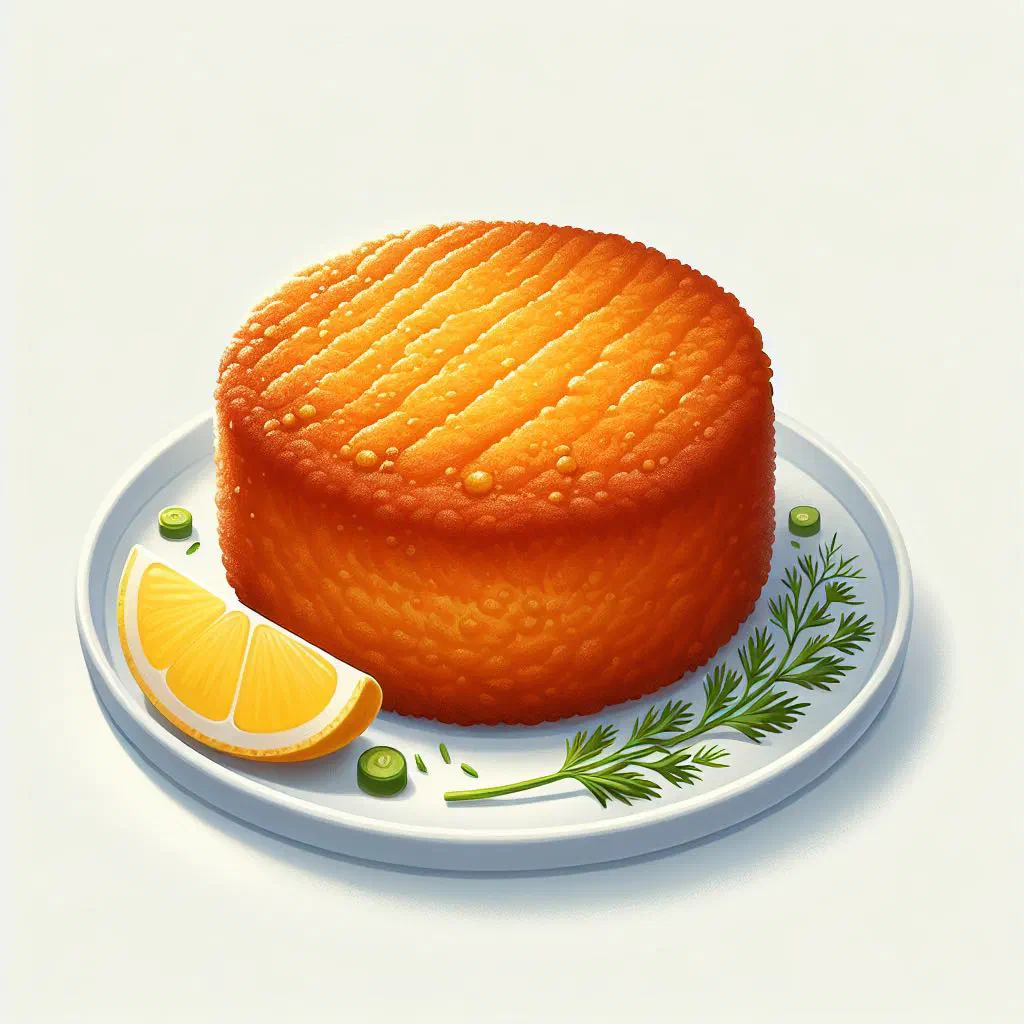
Presentation makes a real difference to how fiskikaka is received. Serve the cakes on a handsome plate, garnished with fresh herbs and a wedge of lemon. Add a light salad or a cool yoghurt sauce on the side to bring in extra texture and contrast, the same generous approach that suits Plokkfiskur. A thoughtful arrangement appeals to the eye as much as to the palate.
A bit of history
The roots of fiskikaka run deep in Icelandic culture, where fish has always sat at the centre of the diet. Fish was traditionally prepared in many forms and combined with whatever herbs grew locally, since imported seasonings were scarce for most of the island’s history. Making fish cakes is therefore a piece of culinary heritage and a celebration of Icelandic seafood, and it sits comfortably alongside the rest of Icelandic cuisine. Today fiskikaka appears on restaurant menus across the country, drawing locals and visitors alike.
More recipe ideas
Summary: Fiskikaka
All told, fiskikaka is a genuinely easy dish that brings the flavours of Iceland into your home. It is widely loved and endlessly versatile, working equally well as a starter or a main course. With a little preparation and properly fresh ingredients, you can turn out something that tastes as good as it looks. Do not miss the chance to enjoy this Nordic delicacy for yourself.