National Dish Iceland: Graflax (Recipe)
In this article
Discover Graflax, Iceland’s celebrated way with salmon. Fresh fillet is buried in a simple cure of salt, sugar and generous handfuls of dill, then left to rest until it turns silky and translucent. The result is a delicate, refreshing delicacy that slices beautifully and feels instantly festive. No cooking, no fuss. Just patience and very good fish.
About Graflax
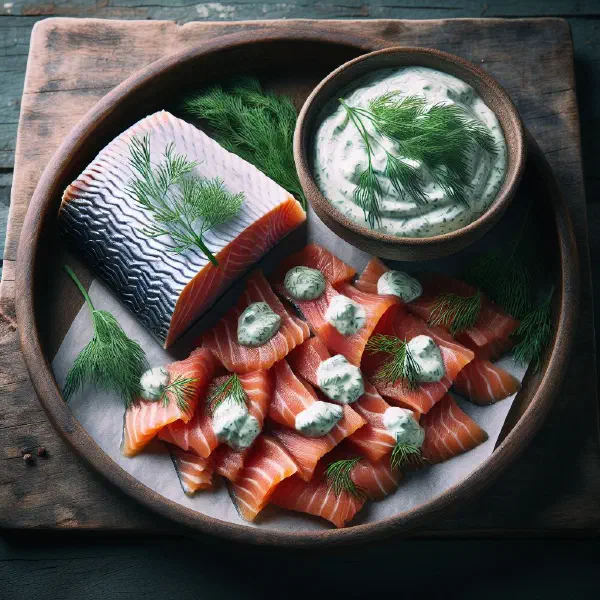
Graflax is a traditional Icelandic dish best described as a kind of cured salmon. It is made from fresh fillet steeped in an aromatic cure of salt, sugar and dill. Graflax has a tender texture and a refreshing flavour that makes it a perfect centrepiece for a celebration. It is a treat for the palate and a part of Iceland’s rich food culture, which reflects a deep love of fresh, natural ingredients.
Ingredients (serves 1–2)
- 300 g fresh salmon
- 50 g coarse salt
- 50 g sugar
- 1 bunch fresh dill
- Zest of 1 lemon
- Cling film
Shopping for the ingredients
If you want to make graflax, it is essential to choose fresh salmon of the highest quality. Look for fish with a vivid colour and a clean, pleasant smell. A well-stocked supermarket or a good fishmonger will usually also carry the coarse salt and sugar you need. Fresh dill and lemons should be easy to find in the fruit and vegetable aisle.
Preparing the dish
Preparing graflax is straightforward, but it does call for some advance planning. Start the cure in good time so the flavour has a chance to develop properly. As a rule, the salmon should rest in the fridge for at least 24 hours. This allows the aromatics to penetrate the fillet and gives you a far more intense taste.
Step-by-step instructions
- Rinse the salmon well and pat it dry on a clean surface.
- In a bowl, combine the salt, sugar and lemon zest.
- Lay a sheet of cling film on the work surface and spread a layer of the salt and sugar mixture in the middle.
- Place the salmon skin-side down on the mixture, then scatter the remaining cure evenly over the fish.
- Roughly chop the fresh dill and spread it across the salmon.
- Wrap the salmon tightly in the cling film and refrigerate for at least 24 hours.
- After curing, unwrap the salmon, rinse it thoroughly and slice it thinly.
Gluten-free / lactose-free version
Graflax is naturally gluten-free and lactose-free, which makes it ideal for anyone with those intolerances. It contains no gluten-bearing ingredients and no dairy at all. The combination of salmon and the curing mixture makes for a healthy, flavourful option that suits a wide range of dietary needs, much like the equally simple Hardfiskur. Enjoy it without a second thought.
Tips for vegans and vegetarians
For vegans and vegetarians, graflax is difficult to reproduce, since salmon is the whole point of the dish. An interesting alternative is marinated and cured aubergine or courgette, prepared in much the same way. Bury the vegetables in the salt and sugar mixture and finish them with dill. It makes a delicious plant-based version that borrows both the flavours and the concept of graflax.
More tips and tricks
To get the very best from your graflax, add a splash of whisky or a little aniseed to the cure for extra depth. Using sea salt instead of coarse rock salt gives a subtler texture and a milder taste. Store the finished graflax in an airtight container to keep it fresh for longer. If you are entertaining, serve it with dark Rugbraud and a mustard sauce for an authentically Icelandic spread.
Adapting the recipe to your taste
The graflax recipe is easily tailored to personal preference. Experiment with different herbs such as rosemary or parsley to give the dish a new character. You can also raise or lower the amount of sugar to adjust the sweetness to your liking. Bear in mind that even a small change will shift the final flavour, so do not be afraid to get creative.
Ingredient substitutions
If you have no fresh dill to hand, dried dill or other herbs such as basil will do the job. For a slightly different flavour direction, try honey or agave syrup in place of the sugar. These alternatives lend graflax an interesting sweetness and complement the salmon in their own way, the same thinking that shapes a dish like Reyktur Lax. Remember that every ingredient changes the overall picture.
Drink pairing ideas
Graflax goes beautifully with a wide range of drinks. A cold, crisp beer or a light white wine such as Sauvignon Blanc complements the flavours perfectly. If you prefer something alcohol-free, try mint-infused water or a fruity mocktail with citrus notes. The right drink rounds off the graflax experience and brings out the individual flavours.
Serving and presentation ideas
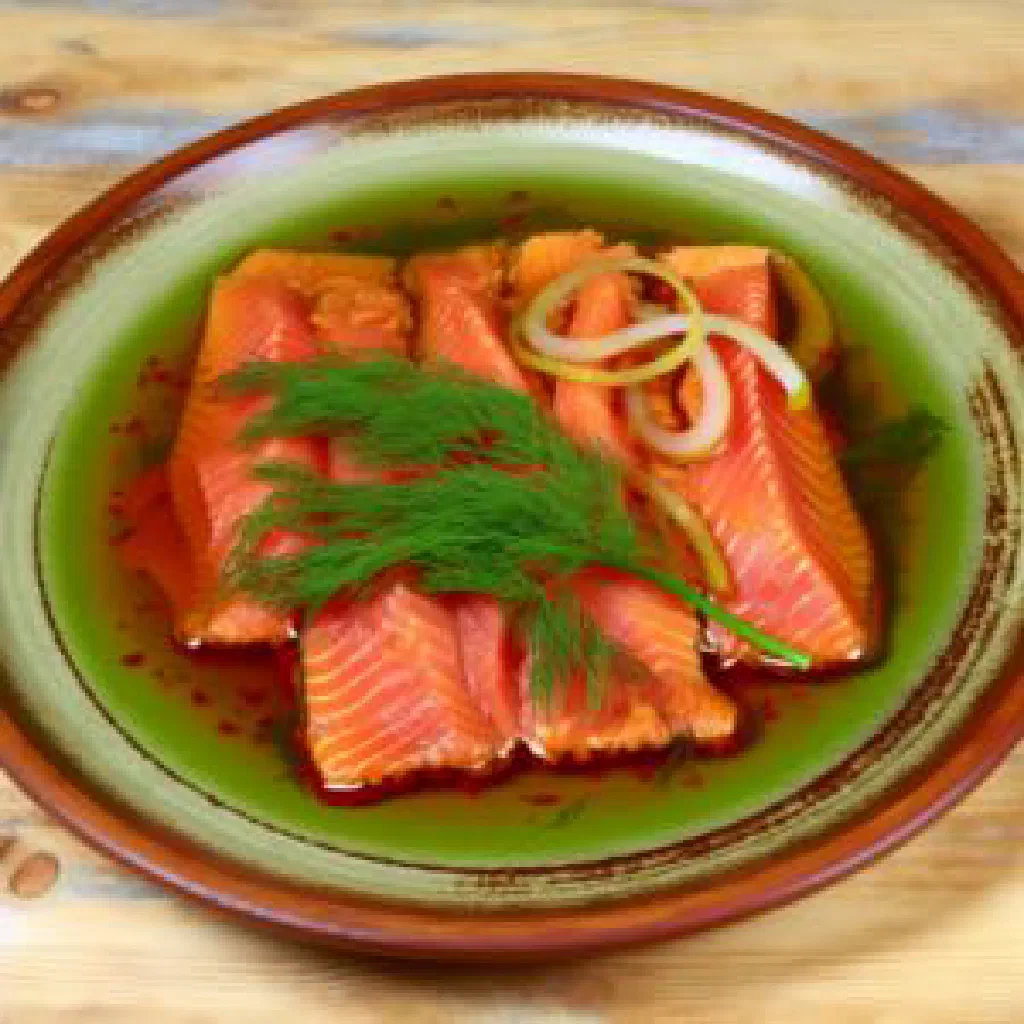
Presentation can add a great deal to the pleasure of graflax. Serve the salmon on an attractive plate, garnished with fresh dill and lemon slices. Set out a few small bowls of mustard sauce or a light vinaigrette alongside. A handsome serving platter in wood or ceramic underlines the natural character of the dish. Visual details heighten the experience and lift the flavours.
A bit of history
Graflax has a long history in Icelandic cooking, reaching back to the Viking age. The tradition of curing fish grew out of the need to preserve food in a harsh climate. Icelandic fishermen used salt and sugar to keep salmon edible, and over time this practical method turned into a prized dish that remains popular today. Graflax is delicious and a symbol of the islanders’ bond with the sea, a thread that runs through all of Icelandic cuisine.
More recipe ideas
Summary: Graflax
In short, graflax is an exceptional and deeply flavourful dish that plays an important role in Icelandic cooking. With its simple preparation and its savoury, herbaceous aromas, it is an asset to any festive menu. Graflax brings a touch of traditional Icelandic flair to the table. Give your next cooking adventure an exquisite edge with graflax and let its wonderful taste win you over.