National Dish Iceland: Kleinur (Recipe)

In this article
Discover Kleinur, the twisted fried pastries that turn up on Icelandic coffee tables from Reykjavík to the remotest farmhouse. Soft, faintly sweet and gently scented with cardamom, they are cut into diamonds, given a single clever twist and fried until golden. Nothing about them is fussy, which is exactly the point: this is everyday baking, made to be shared with a pot of strong coffee and a bit of conversation.
About Kleinur
Kleinur are a classic Icelandic fried pastry, served above all with coffee and whenever family come to visit. Their signature is the shape: the dough is cut into diamonds, slit through the middle and one corner pulled back through, which creates the characteristic twist. Depending on the household, spices such as cardamom or a whisper of cinnamon find their way in, but the underlying principle never changes, a soft, enriched dough that is deep-fried rather than baked. Despite the country’s reputation for cured lamb and fish, this is proof that Icelandic cuisine has a sweet side too.
Ingredients (serves 1–2)
- 250 g plain flour
- 40–60 g sugar
- 1 tsp baking powder
- 1 pinch of salt
- 1 tsp ground cardamom (optional, but typical)
- 1 egg
- 120 ml milk
- 80–120 g skyr (or natural yoghurt)
- 30–50 g soft butter (or a neutral oil in the dough)
- Frying oil, e.g. rapeseed oil
- Optional, for dusting: icing sugar or cinnamon sugar
Shopping for the ingredients
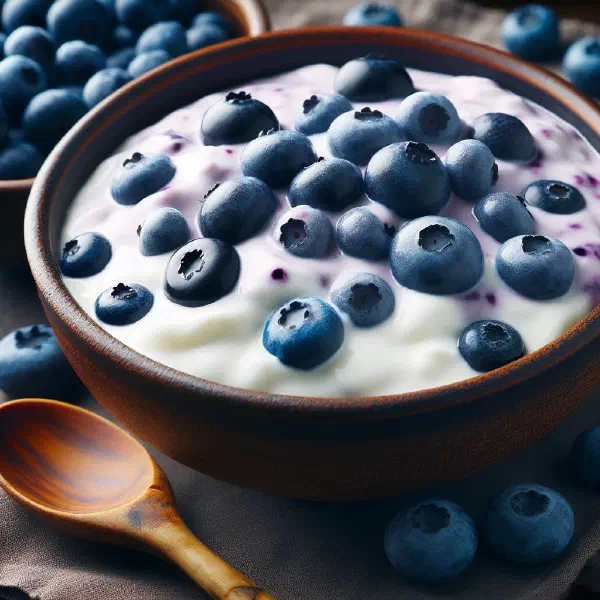
Everything on the list is available in an ordinary supermarket. Skyr is now widely stocked; if you cannot find it, natural yoghurt works perfectly well as a substitute, though skyr gives the dough a slightly firmer, moister character, the same thick cultured dairy that stars in a bowl of Skyr with Blueberries. For a neutral flavour when frying, rapeseed oil is an excellent choice.
Preparing the dish
Mix the flour, baking powder, sugar, salt and the optional cardamom together in a bowl. Have the egg, milk, skyr and butter ready to hand. Only heat the frying oil once the dough has been shaped, so that nothing sits around waiting for too long and the pastries go straight from board to pan.
Step-by-step instructions
- Combine the dry ingredients: flour, baking powder, sugar, salt and cardamom if using.
- Add the egg, milk, skyr and soft butter, then knead to a smooth, soft dough. If it sticks, work in a little more flour.
- Cover the dough and let it rest for 15–30 minutes, which makes rolling out much easier.
- Roll out on a lightly floured surface to a thickness of about 6–8 mm.
- Cut into diamonds of roughly 6–8 cm. Slit each one through the centre and pull one tip through the slit to form the classic kleinur twist.
- Heat the oil to about 170–180 °C and fry the kleinur in batches for 1–2 minutes per side until golden brown — no longer, or they turn dry.
- Drain on kitchen paper and dust with icing sugar or cinnamon sugar to taste.
Gluten-free / lactose-free version
A gluten-free flour blend for cakes and pastries works well here, with a little extra binding agent depending on the mix you use. For a lactose-free batch, reach for lactose-free milk, lactose-free skyr or yoghurt and a dairy-free butter alternative. The texture shifts a touch in both cases, but the method and the result remain reassuringly the same.
Tips for vegans and vegetarians
The recipe is vegetarian as it stands. To make it vegan, use plant-based milk, a plant-based skyr or yoghurt and an egg replacer such as 1 tablespoon ground linseed soaked in 3 tablespoons water for ten minutes. The kleinur come out a little less cake-like, yet every bit as good with a hot drink.
More tips and tricks
Oil temperature is the deciding factor: too cool and the pastries drink up fat, too hot and they darken outside while staying raw within. Do not roll the dough too thickly, or the centres struggle to cook through. And a pinch of cardamom is, for many Icelanders, the aroma that makes the whole thing taste properly of home.
Adapting the recipe to your taste
You can dial the sweetness up or down as you please, or add lemon zest for a brighter note. Traditionalists stay loyal to cardamom; if you prefer something closer to Central European carnival pastries, lean on cinnamon and cinnamon sugar instead. Either way the dough is forgiving enough to take the change in its stride.
Ingredient substitutions
No skyr? Use natural yoghurt, or soured cream for a richer batch. No butter? A neutral oil in the dough works fine, though the crumb turns out a little different. For frying, any heat-stable oil such as sunflower oil does the job. Much like the flexible dough behind Klenaetur, small swaps rarely spoil the outcome.
Drink pairing ideas
The classic partner is coffee, strong and black, or a good black tea. Hot chocolate is a fine match too, especially if you have dusted the kleinur with cinnamon sugar. In winter, a mug of cocoa and a plate of these is about as Icelandic as an afternoon gets.
Serving and presentation ideas
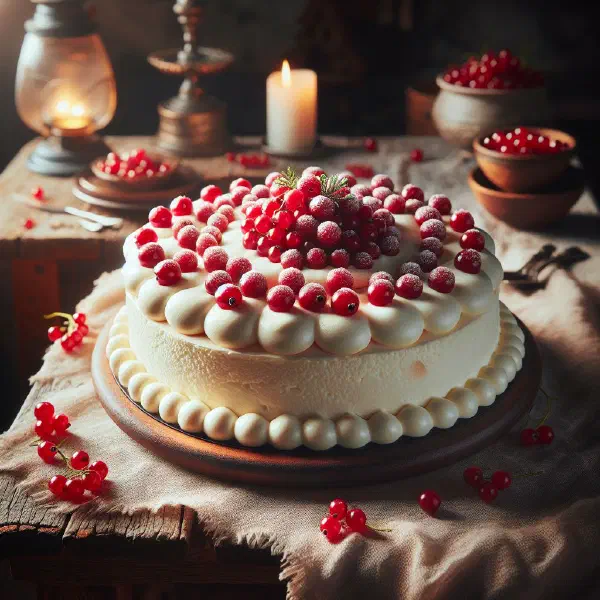
Pile them on a platter and dust lightly with icing sugar. Set out a small bowl of cinnamon sugar or a berry compote alongside, much as you would with Berjablanda með Rjóma. For photographs, three to five pastries stacked at a slight angle look the most appetising.
A bit of history
Kleinur, sometimes called kleina in the singular, are one of Iceland’s most widespread coffee pastries and a standard recipe in countless family kitchens. The shape and the frying method recall other European festival pastries, from carnival fritters to doughnut variants, yet the twisted profile is unmistakably Icelandic. They belong to the same homely baking tradition as Pönnukökur and Rúgbrauð.
More recipe ideas
Summary: Kleinur
Kleinur are not a lamb dish at all but an Icelandic fried pastry, doughnut-like in spirit, built from a soft dough of flour, milk, skyr and sugar, twisted into its distinctive shape and fried to a deep gold. Crisp outside, tender within, and best eaten slightly warm with coffee in hand. Make a batch once and you will understand why they never seem to last long in an Icelandic kitchen.