National Dish Iceland: Rúgbrauð með Lax (Recipe)
In this article
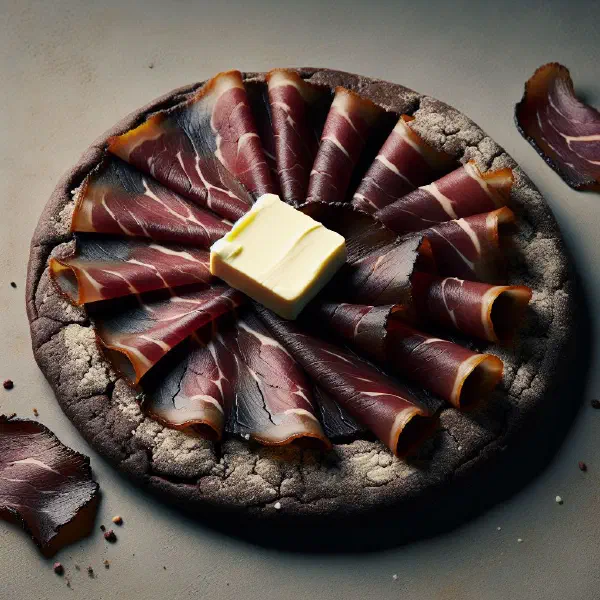
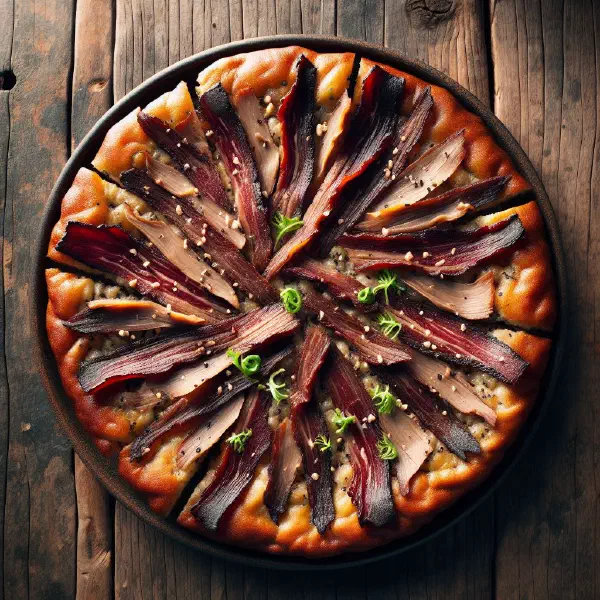
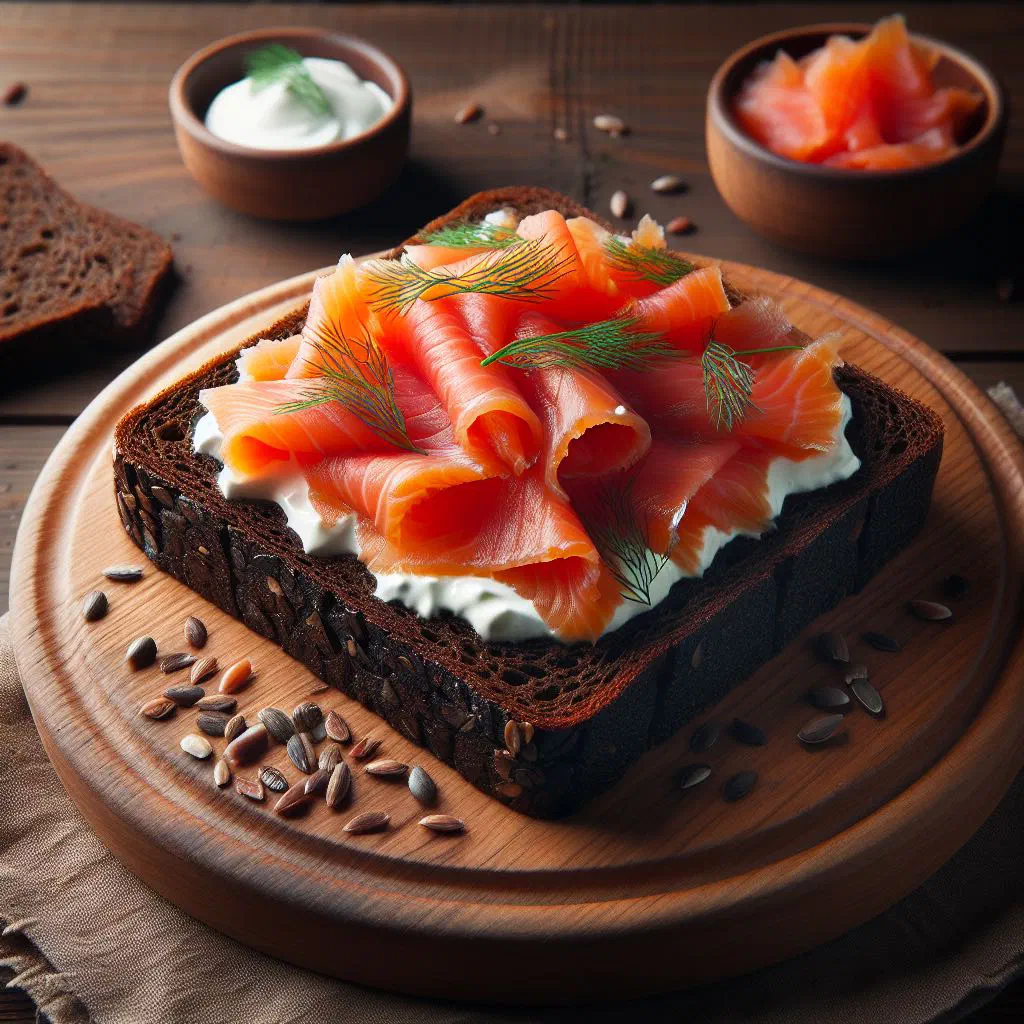
Few dishes capture the character of Iceland quite like Rúgbrauð með Lax, dense, faintly sweet rye bread crowned with silky salmon. The bread is slow-baked until it turns almost cake-like, while the fish brings the clean, briny freshness of the North Atlantic. Together they make a simple plate that tastes of volcanic earth and cold, clear water, and it is far easier to recreate at home than its dramatic backstory might suggest.
About Rúgbrauð með Lax
The traditional Icelandic national dish Rúgbrauð með Lax is a genuine taste experience that brings the natural beauty of Iceland into every bite. This hearty rye bread owes its distinctive character to a slow, natural fermentation that gives it an unusual texture and a real depth of flavour. It is most often served with fresh salmon, which makes the dish delicious and rich in protein and omega-3 fatty acids. If you are after a new culinary experience, this is one well worth preparing yourself.
Ingredients (serves 1–2)
- 200 g rye flour
- 100 g plain wheat flour
- 1 tsp salt
- 300 ml water
- 100 g freshly smoked salmon
- Fresh dill, to garnish
- Butter or an alternative spread
Shopping for the ingredients
To gather the ingredients for Rúgbrauð með Lax, start with a well-stocked supermarket or a health-food shop. Rye flour and wheat flour are usually found in the baking aisle. Fresh salmon is generally available at the fish counter, or from a fishmonger near you. Choose fresh, good-quality produce wherever possible, with so few components, the flavour of each one really shows. The same principle applies to a classic Graflax, where the fish is the whole point.
Preparing the dish
Preparing Rúgbrauð með Lax calls for a little patience, since the bread needs time to ferment properly. Begin by assembling and weighing all the ingredients so the ratios are right. Soak the rye flour in water for an hour to encourage the fermentation to get going. These preparatory steps matter. They are what maximise both the quality and the flavour of the finished loaf.
Step-by-step instructions
- Combine the rye flour, wheat flour and salt in a large bowl.
- Add the water and knead the dough until smooth.
- Cover the bowl with a cloth and leave the dough to rest in a warm place for around 12 hours.
- Once rested, shape the dough into a loaf and place it in a greased loaf tin.
- Bake in the oven at 150°C for about 2 hours.
- Leave the loaf to cool on a wire rack before slicing and serving with the salmon.
Gluten-free / lactose-free version
For a gluten-free take on Rúgbrauð með Lax, replace the rye and wheat flour with a good gluten-free flour blend. Check that the remaining ingredients, including the salmon and any seasonings, are gluten-free too. The swap may take a test bake or two to perfect, but the result can be every bit as good. If you are lactose intolerant, leave out the dairy altogether and reach for a plant-based spread instead.
Tips for vegans and vegetarians
There are plenty of ways for vegans and vegetarians to enjoy Rúgbrauð með Lax. In place of fresh salmon, use smoked tofu or avocado as your protein element. Both bring an interesting flavour of their own and improve the nutritional balance of the plate. Finish with fresh vegetable spreads or hummus for a hearty, satisfying meal that still keeps the spirit of the original intact.
More tips and tricks
A few tricks help you get the best from this bread. A dash of honey or maple syrup lends a sweeter note, while extra seeds such as sunflower seeds add a pleasing texture. Scattering sesame or poppy seeds over the top before baking gives the crust a handsome finish and a little more flavour, much the same care that goes into festive Laufabrauð.
Adapting the recipe to your taste
The recipe adapts easily to personal preference. If you like a thicker crust, extend the baking time by a few minutes. For a softer crumb, increase the water slightly. The quantity of salmon can vary too, depending on how generous you want the finished plate to be. The one thing to keep an eye on is the balance between flavour and texture, the bread should stay moist without turning heavy.
Ingredient substitutions
If certain ingredients prove hard to find, there are plenty of alternatives. Spelt flour stands in well for the rye or wheat flour, giving a comparable texture. Instead of fresh salmon, try smoked salmon or other seafood for a different note entirely. Substitutions like these open up new flavours and turn a single recipe into a whole family of variations.
Drink pairing ideas
Several drinks suit Rúgbrauð með Lax beautifully. A well-chilled Icelandic beer or a crisp cider complements the flavours nicely. For something alcohol-free, sparkling mineral water with lemon or a home-made herbal tea works well. These pairings enrich the meal and keep the flavours in pleasant balance rather than competing with the fish.
Serving and presentation ideas
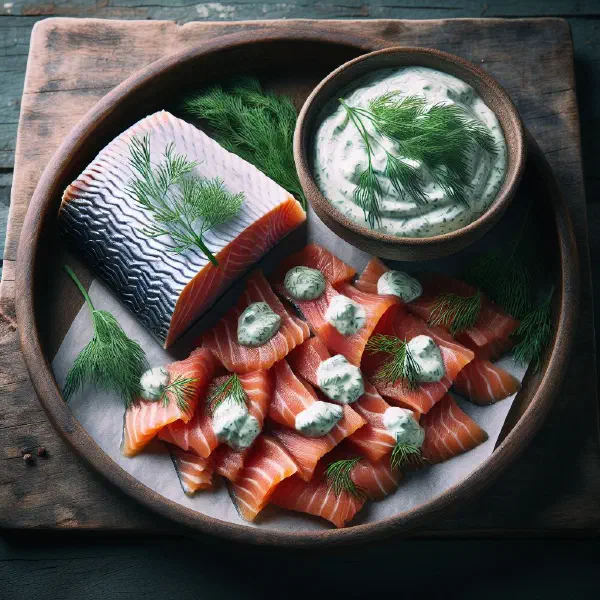
Presentation can lift the whole experience. Serve the bread on a rustic wooden board alongside fresh dill and lemon slices for a lovely colour contrast. Drape the salmon artfully over the slices, and do not forget a spoonful of your favourite sauce or spread. With very little effort the dish becomes as good to look at as it is to eat.
A bit of history
Rúgbrauð has a long tradition in Icelandic cooking and was originally baked by the Vikings. The bread was a staple food, prepared using a distinctive method that involved burying the dough in the geothermally heated ground. That technique gave the loaf its unmistakable texture and flavour, qualities still prized today. Paired with fresh salmon, the tradition lives on in modern Icelandic cuisine and remains a favourite with locals and visitors alike.
More recipe ideas
Summary: Rúgbrauð með Lax
In short, Rúgbrauð með Lax is a delicious and nourishing dish that reflects the flavours of the Icelandic landscape. The combination of hearty rye bread and fresh salmon makes it an indispensable part of the country’s food culture. Thanks to the many possible adaptations and substitutions, people with particular dietary needs can enjoy it just as much. Give it a try and let this culinary tradition inspire you.