National Dish Iceland: Rúgbrauð (Recipe)
In this article
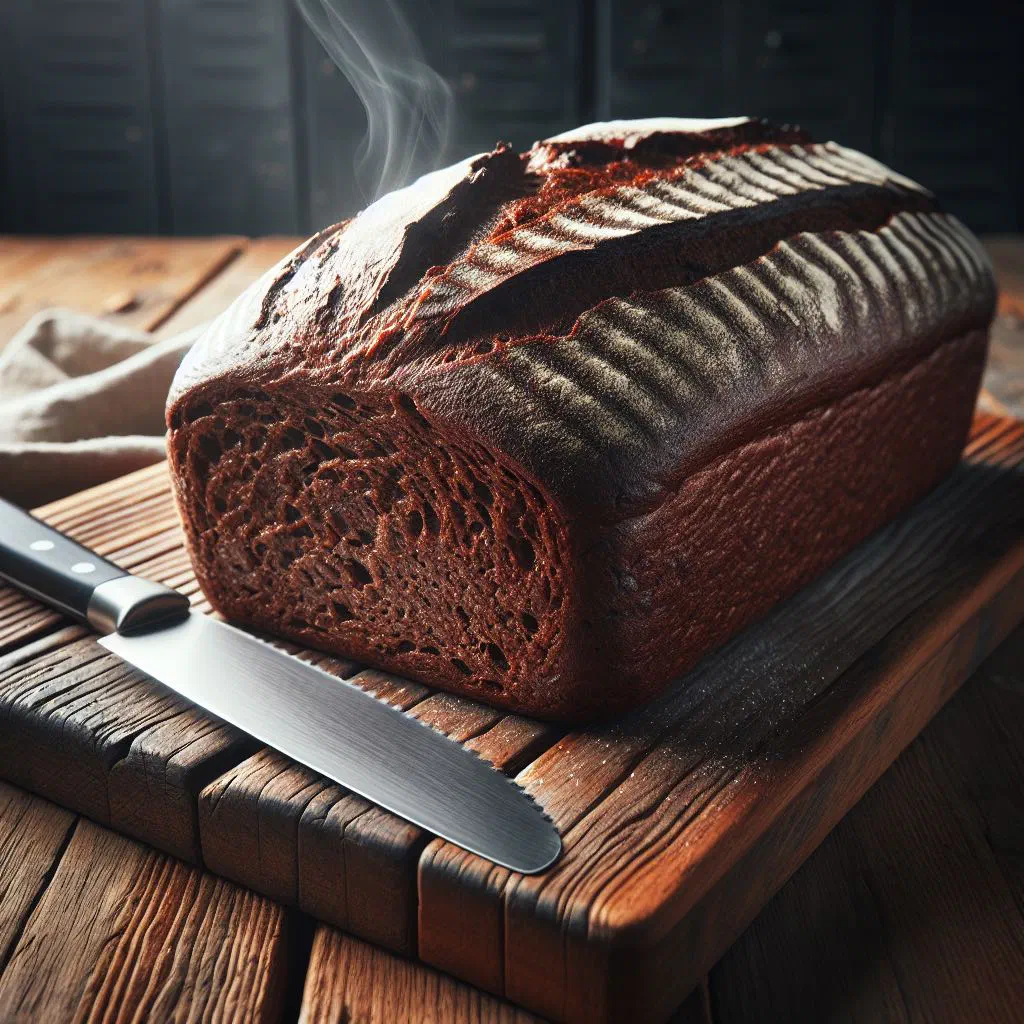
Meet Rúgbrauð, Iceland’s famous dark rye bread, dense, faintly sweet and wonderfully moist. Traditionally buried in the ground near a hot spring and left to bake slowly in the geothermal heat, it has fed Icelandic households for centuries. Serve it thickly sliced with cold butter, smoked fish or a bowl of soup, and you have one of the most quietly satisfying breads in northern Europe.
About Rúgbrauð
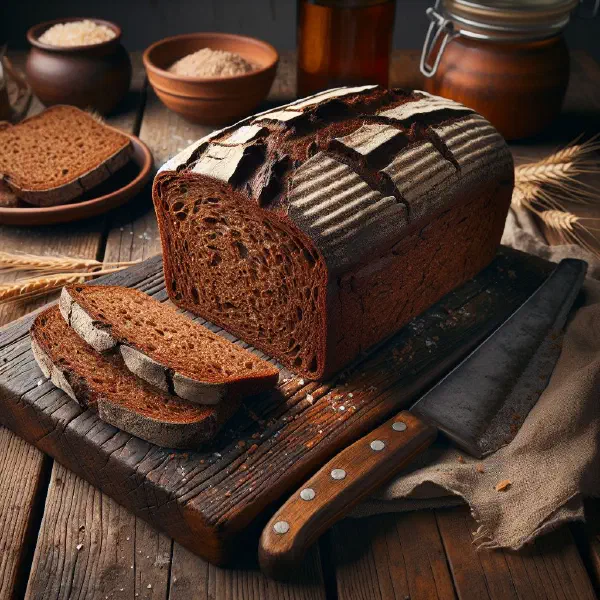
Rúgbrauð is a traditional Icelandic rye bread that wins people over with its dense, moist crumb and its gently sweet flavour. Icelanders have valued this loaf for centuries, and it remains a fixed part of countless meals. The most distinctive method of preparation is baking it underground, which lends the bread a character all of its own. Rúgbrauð is often served alongside classic Icelandic fish dishes, or simply spread with butter, a genuine treat.
Ingredients (serves 1–2)
- 400 g rye flour
- 200 g plain wheat flour
- 1 teaspoon salt
- 2 tablespoons sugar
- 500 ml water
- 1 sachet dried yeast
- 1 teaspoon caraway seeds (optional)
Shopping for the ingredients
The ingredients for rúgbrauð are available in most supermarkets and health food shops. Do look for good-quality rye and wheat flour, as this is decisive for the texture of the loaf. Dried yeast and caraway are easy to find too, and they give the bread its typical flavour. Choosing organic products will improve the quality of the finished loaf still further.
Preparing the dish
Before you start, lay out and weigh all your ingredients. This makes the process much smoother and ensures nothing is forgotten. Remember to warm the water gently so that the yeast is properly activated. Prepare a baking tin as well, ideally a cast-iron one, since it holds the heat beautifully.
Step-by-step instructions
- Combine the rye flour, wheat flour, salt, sugar and caraway in a bowl.
- Add the warm water, sprinkle in the dried yeast and mix thoroughly.
- Transfer the dough to the prepared tin and cover it.
- Leave the dough to rise in a warm place for about 30 minutes.
- Preheat the oven to 180°C.
- Place the tin in the hot oven and bake for around 1½ hours.
- Turn the bread out of the tin and leave it to cool on a wire rack.
Gluten-free / lactose-free version
To make rúgbrauð gluten-free, replace the rye and wheat flour with a gluten-free blend, such as a mix of rice flour and potato starch. It is equally important to use gluten-free yeast and to check that every other ingredient is free from gluten. The loaf is naturally lactose-free, but if you add anything containing dairy, simply reach for plant-based alternatives such as soya milk.
Tips for vegans and vegetarians
Rúgbrauð is naturally vegan and contains no animal products at all. If you fancy extra flavour or a variation, unsweetened nut milk or plant oils will enrich the dough nicely. Experiment with spices such as cumin or paprika to give the bread an interesting twist. Serving it with plant-based spreads or dips makes it even more versatile, much like the lighter Flatbraud Med Smjoeri.
More tips and tricks
For a perfect loaf, keep an eye on the temperature and humidity in your oven, as both shape the way the bread bakes. Placing a dish of water in the oven creates the moisture the crumb needs. Let the bread cool completely after baking so the flavours can settle and develop. With a little butter or a spread of your choice, rúgbrauð becomes the perfect snack or side.
Adapting the recipe to your taste
The basic recipe is easy to tailor to your own preferences. Try adding different seeds and grains such as sunflower seeds or linseed for a new texture and extra flavour. For a sweeter version, work honey or maple syrup into the dough. Dried fruit such as raisins or dates will add intriguing notes as well.
Ingredient substitutions
If you have no rye flour to hand, spelt flour or a blend of other wholemeal flours will do the job. Instead of sugar you can use agave syrup or another sweetener to bring out the flavour you want. And if you would like to change the consistency, a spoonful of yoghurt makes a lighter, airier loaf, the same trick that softens a batch of Skonsur.
Drink pairing ideas
Rúgbrauð goes particularly well with Icelandic drinks, whether that is a local beer or a cup of strong Icelandic coffee. Sparkling water with a squeeze of lemon is a refreshing partner that underlines the flavours of the bread. A glass of dry red wine also harmonises nicely with its hearty notes. Experiment a little to find your ideal combination.
Serving and presentation ideas
To present rúgbrauð attractively, cut it into thick slices and lay them out on a rustic wooden board. Garnish with fresh herbs or edible flowers for a striking look. Arrange a selection of spreads and sides alongside, Reyktur Lax, avocado or vegetables all work beautifully. A thoughtful presentation will win over your guests and make the whole experience better still.
A bit of history
Rúgbrauð has a long tradition in Icelandic cooking and was born of the need for nourishing food that would keep. The technique of baking the loaf underground comes from islanders who harnessed geothermal heat as a natural oven. That method gives the bread its unique taste and is proof of Icelandic ingenuity. Today the loaf is a symbol of Icelandic cuisine and culture, served at festivals and family gatherings alike.
More recipe ideas
Summary: Rúgbrauð
Rúgbrauð is more than a loaf of bread. It is a slice of Icelandic history. The combination of nourishing ingredients and that remarkable method of baking makes it a truly singular culinary experience. With cheese or simply with butter, rúgbrauð is a real pleasure. Give the recipe a go and let these deep, earthy flavours inspire you.