National Dish Iceland: Saltfiskur (Recipe)
In this article
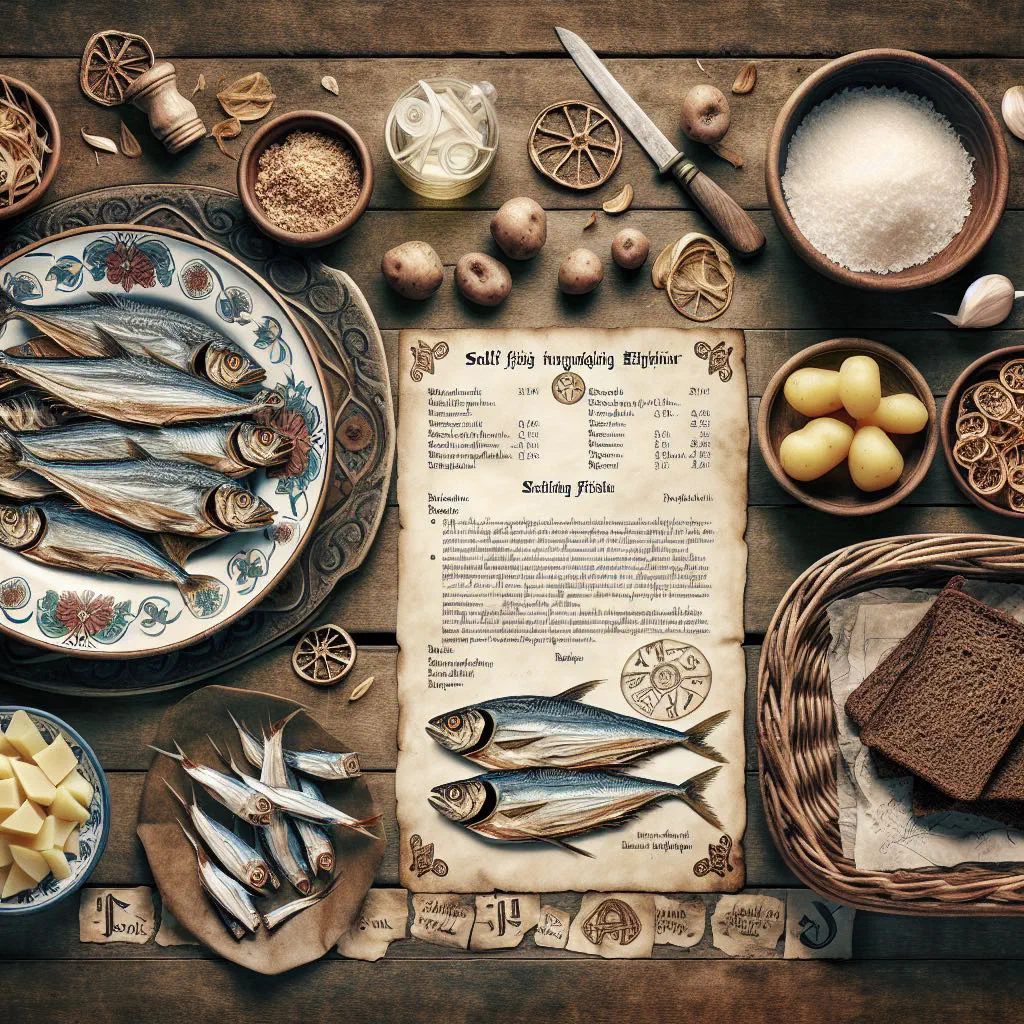
Discover Saltfiskur, Iceland’s time-honoured salt cod, a dish born of wind, salt and the North Atlantic. Centuries before refrigeration, Icelanders preserved their catch by drying and salting it, and what began as a matter of survival has become a genuine delicacy. Soaked, gently simmered and served with buttery potatoes and softened onions, it delivers a clean, savoury depth of flavour that no fresh fish quite matches. Bring a piece of Iceland to your own table.
About Saltfiskur
Saltfiskur is not simply a dish; it is part of Iceland’s identity. It consists of dried and salted fish, revered in the Icelandic kitchen for centuries. This delicacy reflects the country’s maritime traditions and the careful use of every resource, shaped by a harsh climate and a remote position in the North Atlantic. Preparing and sharing saltfiskur brings people together and creates a deeper connection to Iceland’s nature and history.
Ingredients (serves 1–2)
- 200 g saltfiskur (dried and salted fish)
- 500 ml water
- 2 medium potatoes
- 1 onion
- 2 tablespoons olive oil
- Salt and pepper to taste
- Fresh herbs, to garnish
Shopping for the ingredients
For the authentic flavour of saltfiskur, source your ingredients from a well-stocked supermarket, a fishmonger or a Scandinavian or Mediterranean deli, where salt cod is often sold year-round. Choose good-quality fish, as its condition decides the character of the finished dish. Alongside the main ingredient you will need fresh vegetables and seasonings to round out the taste. Fresh herbs matter especially here, lending the plate a bright, aromatic note.
Preparing the dish
Getting saltfiskur ready is straightforward and takes only a few steps. First, soak the dried fish in water for at least 24 hours to draw out the excess salt and soften it again, changing the water two or three times gives the best result. While it soaks, you can prepare the accompaniments, such as the potatoes and onions. Soaking makes the fish tender and allows the flavours released during cooking to come through more clearly. Do not forget to have your fresh herbs ready for garnishing.
Step-by-step instructions
- Drain the soaked saltfiskur and simmer it in a pan of fresh water for about 20–30 minutes.
- Meanwhile, peel and dice the potatoes and boil them in a separate pan until soft.
- Sweat the onions in a frying pan with the olive oil until translucent.
- Once the fish is cooked through, lift it out carefully and let it drain.
- Flake the fish into pieces and serve with the potatoes and onions.
- Season with salt and pepper, garnish with fresh herbs and enjoy.
Gluten-free / lactose-free version
Saltfiskur is naturally gluten-free and lactose-free. The main ingredient, dried fish, contains neither, and the accompaniments, potatoes and onions, are free of both as well. It is still worth checking that your olive oil and seasoning blends carry no hidden gluten-containing additives. The same holds true for a simple bowl of Fiskisupa made with a clear broth.
Tips for vegans and vegetarians
Although saltfiskur is a traditional fish dish, vegans and vegetarians can still find a delicious alternative. Replace the fish with plant-based proteins such as tofu or tempeh, which take on surrounding flavours readily. Marinated in a mixture of soy sauce and seasonings, these substitutes offer a comparable umami depth. Adaptations like these keep the dish interesting and widen its appeal across different diets.
More tips and tricks
For the best result, make sure the saltfiskur is properly soaked so it reaches the tenderness you want. You can also deepen the aroma by adding further spices, such as paprika or cumin, during cooking. Experiment with the simmering time to cook the fish exactly to your liking. A scattering of toasted almonds makes an excellent extra garnish, adding a welcome crunch.
Adapting the recipe to your taste
Everyone has their own preferences when it comes to cooking. You can pair saltfiskur with different sides, such as rice or steamed vegetables, to vary the dish. The seasoning is equally flexible: dill or parsley both work beautifully, depending on what you enjoy. Served alongside a slice of dark Rugbraud, it becomes a fuller meal. Saltfiskur remains adaptable and shapes itself to individual tastes.
Ingredient substitutions
If you cannot find every ingredient, there are good alternatives to consider. Instead of saltfiskur you could use hardfiskur, the wind-dried fish popular across Iceland and beyond, see Hardfiskur for the classic treatment. For the sides, sweet potatoes in place of ordinary potatoes lend the plate a gentler sweetness. Variations like these let you be creative and reinterpret the recipe on your own terms.
Drink pairing ideas
The right drink can lift the saltfiskur experience considerably. A cold beer suits this fish dish extremely well and complements its salty depth. Alternatively, a light white wine such as Sauvignon Blanc underlines the maritime freshness of the plate. For something alcohol-free, sparkling water with a squeeze of citrus makes a refreshing partner.
Serving and presentation ideas
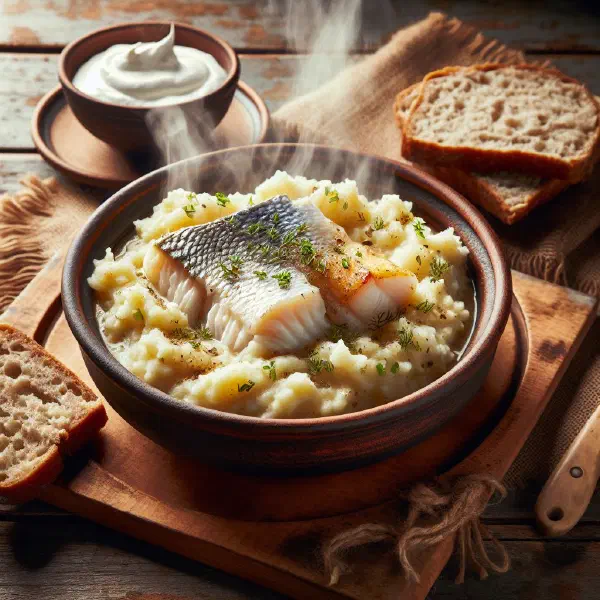
Presentation plays a real part in serving any dish. Bring saltfiskur to the table in an attractive bowl and garnish it generously with fresh herbs for an appetising look. Arranging the sides alongside rather than on top creates a pleasing harmony of colours. Special serving plates or rustic wooden boards give the meal an extra touch of character.
A bit of history
Saltfiskur has a long and fascinating history reaching back to the Viking age. In Iceland, preserving fish by drying and salting was a necessity, securing food reserves through the cold winter months. This traditional method was passed down over generations and has remained a fixture of Icelandic food culture. Today the dish is a symbol not only of survival but of the culinary identity celebrated throughout Icelandic cuisine.
More recipe ideas
Summary: Saltfiskur
Saltfiskur is a hearty, traditional dish that gathers the flavour and culture of Iceland into a single plate. With just a handful of ingredients and a simple method, you can put a piece of Icelandic history on your table. It offers everyone the chance to discover new flavours and textures. Enjoy this remarkable dish and let the fascination of the Icelandic kitchen carry you away.