National Dish India: Appam (Recipe)
In this article
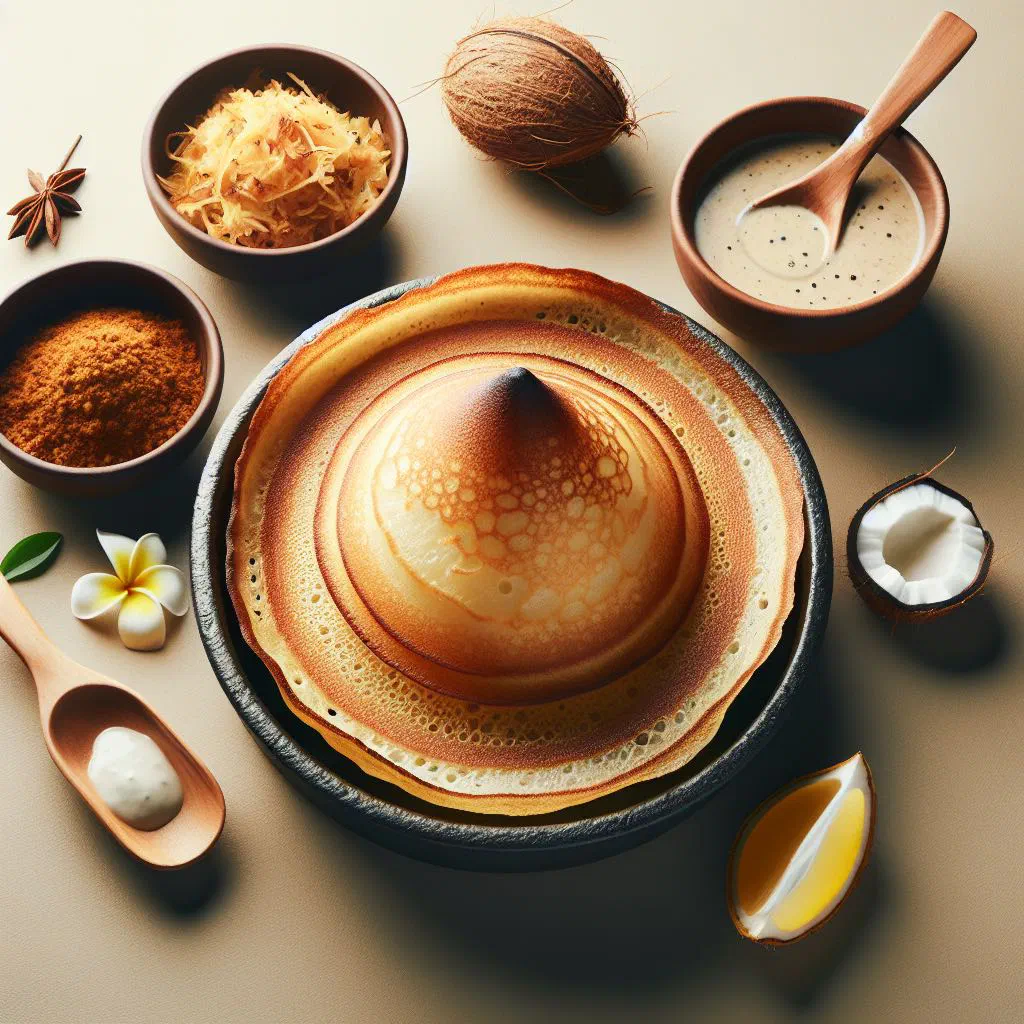
Meet Appam, the soft, lacy rice pancake that is the pride of Kerala’s kitchens. With crisp, golden edges giving way to a wonderfully fluffy centre, these gently fermented rice cakes are as comforting as they are versatile. Serve them alongside a spiced curry or fill them with something sweet, either way, their delicate flavour shines. They take a little patience to get right, but the reward is a bowlful of South Indian sunshine you can make in your own kitchen.
About Appam
Appam is a traditional Indian dish that is especially beloved in the region of Kerala. These fermented rice cakes are prized for their soft, airy texture, and they are often served with spiced curries or sweet fillings. Known for their distinctive taste, they are a true staple of Indian cuisine. The preparation is straightforward enough, but it does call for a little patience to achieve just the right fermentation.
Ingredients (serves 1–2)
- 1 cup rice flour
- 1/4 cup coconut milk
- 1/2 teaspoon sugar
- 1/4 teaspoon salt
- 1/2 teaspoon dried yeast or 1 teaspoon fresh yeast
- Warm water
Shopping for the ingredients
When sourcing the ingredients for appam, it is worth choosing good-quality produce. Rice flour can be found in most Asian or Indian grocery shops. The coconut milk should be fresh and unsweetened to bring out the best flavour. Yeast comes in several forms; fresh yeast gives a finer fermentation, while dried yeast is the more convenient option.
Preparing the dish
Preparing appam takes a little planning, mainly because of the fermentation process. Mix the rice flour with the yeast, sugar and salt. Then stir in the coconut milk and warm water to form a smooth, velvety batter. Leave the batter to rest in a warm spot for at least 8 hours, ideally overnight, to reach the right consistency and develop its characteristic flavour.
Step-by-step instructions
- Stir the fermented batter well, adding a splash of water if it has become too thick.
- Heat a non-stick pan or appam mould and lightly grease it.
- Pour a ladleful of batter into the centre of the hot pan and gently swirl the pan to form a thin rim.
- Cover with the lid and cook the appam over medium heat for about 2–3 minutes, until the edges are lightly golden and the centre stays soft and fluffy.
- Carefully lift out the finished appam and continue with the next one.
Gluten-free / lactose-free version
For a gluten-free and lactose-free version of appam, you can swap the rice flour for maize or buckwheat flour. These flours behave a little differently but can give a similar result. Coconut milk is naturally lactose-free, so this recipe adapts with ease. Just be sure that all your other ingredients are gluten-free too, so the finished dish is genuinely suitable for anyone with a gluten intolerance.
Tips for vegans and vegetarians
Appam is naturally a vegan dish, as it contains no animal products. If you opt for fresh yeast, simply check that it is vegan-friendly. For a little extra depth of flavour, you can use coconut sugar in place of ordinary sugar. Served with a variety of plant-based sides, appam makes for a delicious and nourishing meal, much like the spread you would build around a Pesarattu Dosa.
More tips and tricks
To get the very best results when making appam, a few handy tips and tricks go a long way. Always use fresh ingredients, as they noticeably improve the flavour. Make sure the water you use for fermentation is not too hot, as excessive heat can kill the yeast. Just before serving, brush a little coconut oil over the surface of the appam to lend it an even more delicious aroma.
Adapting the recipe to your taste
The appam recipe is easy to adapt to different tastes and preferences. Add spices such as cardamom or cinnamon, for instance, for a sweet note. For a more savoury version, fold finely chopped vegetables into the batter to add extra nutrients and flavour. Experiment with different fillings or accompaniments to create your own personal favourite.
Ingredient substitutions
If you happen to be short of certain ingredients, there are several alternatives to try. Rice flour can be replaced with teff flour or even ordinary wheat flour, though the latter does away with the gluten-free quality. Coconut milk can be swapped for almond milk for a different burst of flavour, in which case keep an eye on the sweetness. These substitutions open up new tastes and combinations, much as you would experiment when making a Dosa-style batter at home.
Drink pairing ideas
A range of drinks pairs well with appam and rounds off the experience. Fresh coconut water or a homemade ginger tea make excellent companions. A fruity masala chai is also a perfect match for the dish’s gentle aromas.
Serving and presentation ideas
Presentation plays an important part in enjoying appam. Serve them on a handsome flat plate alongside a colourful side of vegetables or a hearty curry, such as a Kerala Fish Curry. A few fresh coriander leaves make a lovely garnish, adding colour and freshness. Aim for harmonious colours on the plate to create an inviting, appetising look.
A bit of history
Appam has a fascinating history rooted deep in the cultural traditions of India. The dish is believed to come from the region of Kerala, where it is a firmly established part of the local cuisine. Historically, both the making and the eating of appam were closely tied to festive occasions. Extended families would often gather to enjoy this delicious dish, and it remains cherished as a keeper of heritage and tradition, much like a celebratory plate of Thalassery Biryani.
More recipe ideas
Summary: Appam
All in all, appam is a versatile and flavourful dish that is simple to make and perfect for all kinds of occasions. Let Indian cuisine inspire you and bring a little of Kerala into your own kitchen.