National Dish India: Basundi (Recipe)
In this article
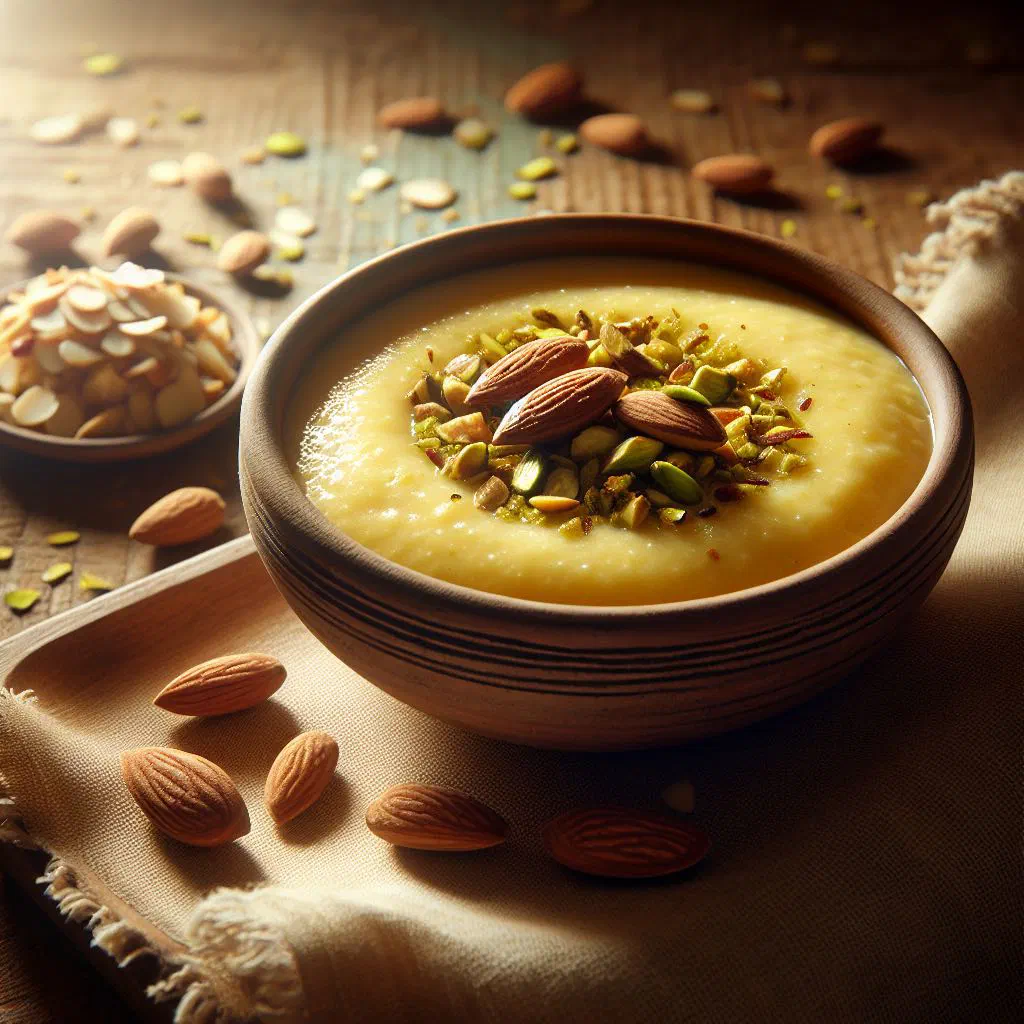
Treat yourself to Basundi, a luxuriously creamy milk dessert from western India. Made by patiently reducing whole milk until it turns thick and golden, it is gently perfumed with cardamom and saffron and finished with a scattering of crunchy nuts. Served warm on a cool evening or chilled on a hot day, this is the kind of sweet that rounds off an Indian feast in true style, simple ingredients transformed into something genuinely special.
About Basundi
Basundi is a traditional Indian dessert that is especially beloved in the states of Maharashtra and Gujarat. This creamy milk dessert is made by slowly reducing whole milk down to a thick, sweet consistency. Enriched with aromatic spices such as cardamom and saffron, it delivers an exceptional taste experience. Basundi can be served either warm or cold, making it the perfect finish to any Indian celebration meal, much like the festive sweets of Indian cuisine enjoyed across the country.
Ingredients (serves 1–2)
- 500 ml whole milk
- 100 g sugar
- 1/4 teaspoon ground cardamom
- 1–2 strands saffron
- 2 tablespoons chopped almonds
- 2 tablespoons chopped cashew nuts
Shopping for the ingredients
For the best results, it is well worth choosing high-quality ingredients. When buying whole milk, make sure it is fresh and, if possible, opt for milk from grass-fed cattle. The sugar should be fine and unrefined so that it dissolves smoothly. The spices, particularly cardamom and saffron, are crucial to an authentic flavour, and fresh spices release a far more intense aroma. Most of these are easy to find in a supermarket or Asian grocery, and saffron can also be ordered online.
Preparing the dish
Preparing Basundi is straightforward and takes only a few simple steps. Begin by roughly chopping the almonds and cashew nuts so they stand out nicely when you serve the dessert. Soaking the saffron in a little warm water or milk helps to draw out its colour and aroma. Make sure you have all your ingredients ready before you start, a little organisation makes the cooking process far easier.
Step-by-step instructions
- Pour the whole milk into a heavy-based pan and heat it over a medium heat.
- Slowly bring the milk to a gentle simmer, then lower the heat to prevent it from boiling over.
- Stir the milk regularly to stop it catching and burning on the bottom.
- After about 30–40 minutes, once the milk has reduced by half, add the sugar, cardamom and the soaked saffron.
- Cook the mixture for a further 5–10 minutes, until it reaches the consistency you want.
- Pour the finished basundi into a bowl and garnish with the chopped nuts.
Gluten-free / lactose-free version
Basundi is naturally gluten-free, as it is made almost entirely from milk. For a lactose-free version, simply use lactose-free milk, which gives the same creamy effect. This adaptation makes the dish accessible to anyone with a lactose intolerance without sacrificing the traditional flavour. The recipe stays exactly the same, so you can carry on enjoying delicious basundi just as it should be, a comforting milk sweet in the same family as Chanar Payesh.
Tips for vegans and vegetarians
For vegans, basundi is easily adapted by using plant-based milk such as almond, soya or coconut milk. These alternatives bring their own flavours and qualities to the dessert and can make it even more interesting. Be sure to use unsweetened plant milk so that you can adjust the sweetness yourself. By switching to plant-based ingredients, the recipe stays fully vegan while remaining every bit as tasty.
More tips and tricks
To achieve the perfect consistency, the key is patience, reduce the milk slowly and stir regularly to prevent it from catching. If you like a deeper, toasted flavour, lightly roast the nuts before scattering them over the top. Experiment with different spices to add your own signature touch, perhaps a pinch of cinnamon or a little clove powder for extra warmth and depth.
Adapting the recipe to your taste
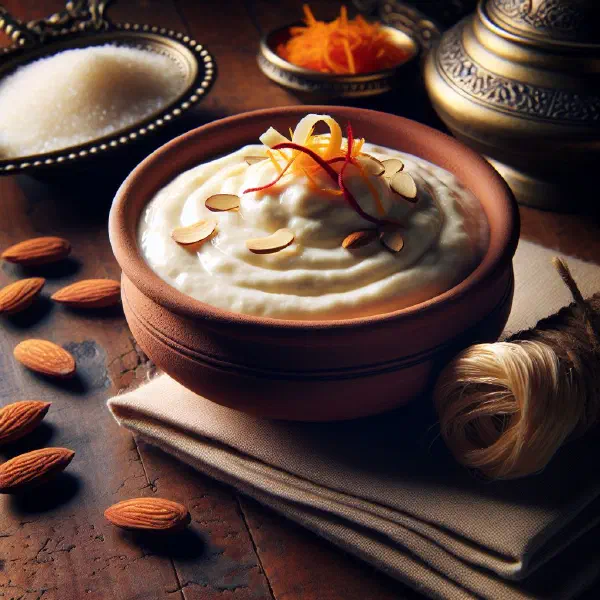
The great thing about basundi is how versatile it is and how easily it can be tailored to personal taste. You can adjust the amount of sugar to suit yourself, or even use alternative sweeteners such as agave syrup or coconut sugar. To make it extra moreish, fold in some fruit such as mango or banana. Feel free to vary the nuts and spices as well, the possibilities are almost endless. Fans of fruity Indian sweets might also enjoy a creamy Shrikhand.
Ingredient substitutions
If you do not have chopped nuts to hand, dried fruit or chocolate chips make a lovely alternative. You can also replace the sugar with other sweeteners that dissolve well and provide the sweet flavour you are after. Try using local or seasonal ingredients to create a unique twist or to suit the time of year. Play with textures too, roughly chopped pistachios in place of almonds, for instance, work beautifully.
Drink pairing ideas
Basundi pairs wonderfully with a range of drinks. A cup of masala chai is a perfect match for the dessert’s sweet aromas and offers a lovely contrast. A chilled mango lassi also makes a refreshing companion, especially on warm days. If you fancy something tangier, a glass of spiced lemonade balances the richness of basundi beautifully.
Serving and presentation ideas
Presentation plays a big part in elevating the basundi experience. Serve the dessert in small, decorative bowls or glasses for an elegant look. A scattering of herbs or edible flowers as a garnish can enhance both the flavour and the appearance wonderfully. Remember to garnish just before serving to keep the nuts and any fruit fresh and crisp.
A bit of history
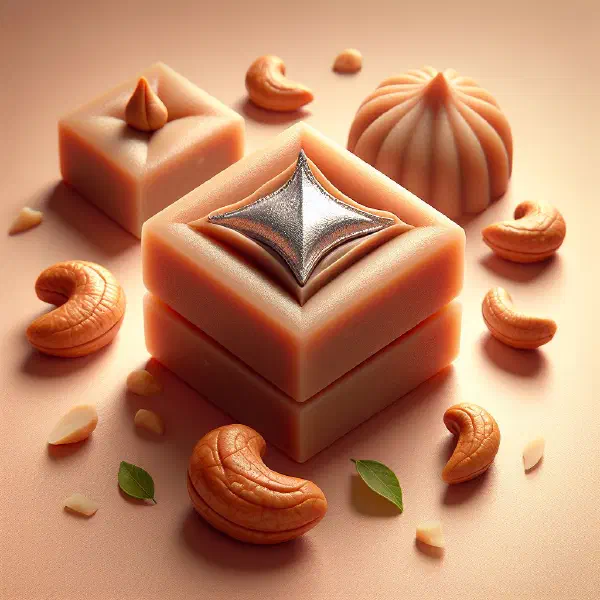
Basundi has its roots in India’s rich culinary tradition and is part of countless celebrations. It is often prepared for special occasions such as weddings, festivals and religious gatherings. The origins of this style of dessert are closely tied to the history of Indian dairy products. Over the centuries, basundi has evolved and given rise to a wealth of regional variations that reflect the wonderful diversity of Indian cooking, from the syrupy Rasgulla of Bengal to the fudgy Kaju Katli.
More recipe ideas
Summary: Basundi
Basundi is a delicious Indian milk dessert that offers a special experience thanks to its creamy texture and distinctive spices. With simple ingredients and an uncomplicated recipe, you can easily recreate this traditional treat at home. Its many possibilities for adaptation make it a perfect choice for all kinds of tastes and preferences. Enjoy basundi either warm or cold to savour the authentic flavour of India.