National Dish India: Biryani (Recipe)

In this article
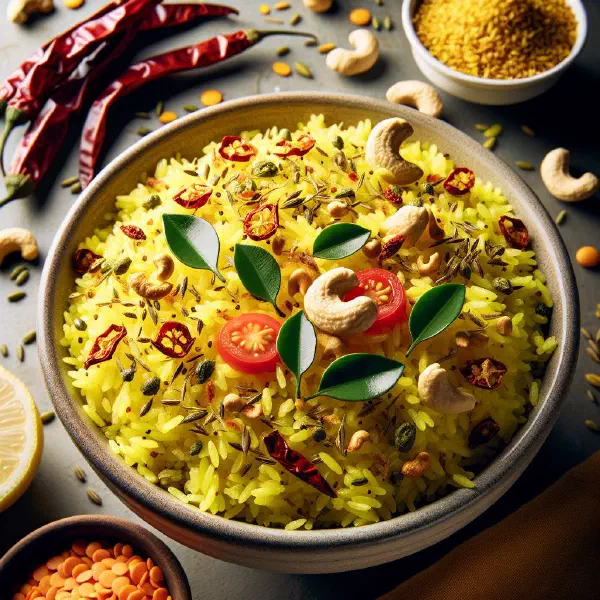
Discover Biryani, one of India’s most celebrated dishes and a favourite enjoyed the world over. This hearty rice dish layers fragrant basmati rice with a fragrant blend of spices, herbs and tender aromatics. Warm with the scent of garam masala, cumin and coriander, it works beautifully as a stand-alone meal yet also welcomes a spread of sides such as raita, salad and chutney. Bring the festive flavours of an Indian kitchen straight to your own table.
About Biryani
Biryani is a traditional Indian dish loved across the globe for its bold, layered flavour. At its heart is fluffy basmati rice cooked together with a generous mix of spices and aromatic ingredients. It can be served on its own as a complete meal, but it shines just as brightly alongside a variety of sides such as raita, salad and chutney. One of the most popular dishes in all of India, it is an absolute must for anyone who loves Indian cooking, hearty, fragrant and endlessly satisfying.
Ingredients (serves 1–2)
- 1 cup basmati rice
- 2 tablespoons ghee or oil
- 2 small onions, finely chopped
- 3–4 garlic cloves, finely chopped
- 1 tablespoon ginger, finely chopped
- 2 small tomatoes, finely chopped
- 1 tablespoon garam masala, 1 teaspoon ground cumin, 1 teaspoon ground coriander, 1 teaspoon turmeric, 1 teaspoon chilli powder
- Salt to taste
- 2 tablespoons fresh coriander, chopped
- 1 tablespoon lemon juice
- 1 teaspoon spice blend (such as biryani masala or a ready-made Indian blend of your choice, available from Asian grocers or online)
Shopping for the ingredients
The ingredients for biryani are easy to find in most supermarkets. If certain spices prove tricky to track down, you can simply order them online. Try to choose spices that are as fresh as possible, since their aroma and flavour fade over time. Where you can, it is also worth reaching for organically grown produce, fresher, more fragrant ingredients make a real difference to the finished dish.
Preparing the dish
Before you start cooking the biryani, it pays to get everything prepped and ready. Finely chop the onions, garlic, ginger and tomatoes and set them aside. Combine the spices in a separate bowl so they are ready to go in at the right moment. Wash, dry and chop the fresh coriander, then rinse the basmati rice thoroughly and leave it to drain.
Step-by-step instructions
- Heat the ghee or oil in a pan and add the onions. Fry them until golden brown.
- Add the garlic, ginger and tomatoes and cook until the tomatoes have softened.
- Stir in the spices and salt, mixing everything well.
- Add the basmati rice and stir thoroughly to coat the grains.
- Stir in the fresh coriander and the lemon juice.
- Add the biryani spice blend and mix well.
- Pour in just enough water to barely cover the rice and bring to the boil.
- Once the water comes to the boil, reduce the heat to medium-low and let everything simmer for 15–20 minutes, until the rice is tender.
- Turn off the hob and let the biryani rest for a further 10 minutes before serving.
Gluten-free / lactose-free version
Biryani is naturally gluten-free, as it is built around rice rather than wheat, making it a great choice for anyone with a gluten intolerance. To keep it lactose-free, simply swap the ghee for a plant-based oil or dairy-free margarine. Double-check that any ready-made spice blend you use is free from hidden additives, and every guest can enjoy this dish with complete confidence.
Tips for vegans and vegetarians
Biryani is a popular vegetarian dish, and it adapts easily into a fully vegan version too. Simply replace the ghee or oil with vegan butter, and choose a spice blend free from any animal-derived ingredients. Fresh vegetables and herbs are the key to a bright, authentic flavour, so reach for seasonal produce wherever possible. With a few simple swaps, this classic suits every kind of plant-based diet.
More tips and tricks
To get the very best from your biryani, let the rice steam gently over low heat so each grain stays separate and fluffy. Resting the dish off the heat for ten minutes lets the flavours settle and deepen. A squeeze of lemon juice just before serving lifts the aroma and adds a fresh, bright note. For a richer result, scatter a few extra fried onions over the top, much as you would when finishing a comforting bowl of Zarda Pulao.
Adapting the recipe to your taste
Biryani is wonderfully versatile and easy to make your own. Add fresh chillies for more heat, or hold back on the chilli powder for a milder, more aromatic finish. Fold in seasonal vegetables, paneer or pulses to suit the occasion, and adjust the spice blend until it sits exactly to your liking. This way you can create a biryani that fits your own taste perfectly.
Ingredient substitutions
If certain ingredients are not to hand, there are plenty of creative alternatives. Ghee can be replaced with oil or vegan butter without losing the dish’s richness, and a ready-made biryani masala stands in neatly for the individual spices. Long-grain rice can take the place of basmati at a pinch, though basmati’s fragrance is hard to beat. Swaps like these, much like the flexible approach behind a hearty Rajma, help you adapt the recipe to what is in season or to your own preferences.
Drink pairing ideas
Biryani tastes best alongside a refreshing, alcohol-free drink. A cooling lassi is a classic match that tempers the warmth of the spices, while lemonade, iced tea, fruit juices and coconut water all make light, refreshing partners. For something more traditional, a fragrant cup of masala chai rounds off the meal beautifully and echoes the dish’s aromatic spices.
Serving and presentation ideas
Presentation can lift the whole biryani experience. Serve the rice in a large, attractive dish and garnish generously with fresh coriander and golden fried onions. Small bowls of raita, fresh salad and chutney alongside add colour, contrast and extra flavour. Arranging everything on a single platter creates a generous, inviting spread that captures the festive spirit of the dish. Perfect served with warm breads such as a Gobi Paratha.
A bit of history
Biryani is a traditional dish with Persian roots, brought to the Indian subcontinent centuries ago and woven ever since into the fabric of Indian festive cooking. Over time, distinct regional styles emerged, each with its own blend of spices and techniques, from the layered grandeur of Thalassery Biryani to lighter vegetable versions. Today it is one of the proudest expressions of Indian cuisine, a dish reserved for celebrations and shared with family and friends.
More recipe ideas
Summary: Biryani
Biryani is a traditional Indian dish built from fragrant basmati rice, vegetables, spices and herbs. It pairs perfectly with raita, salad and chutney, and is just as welcome as a vegetarian or vegan main as it is at a festive feast. Refreshing, alcohol-free drinks such as lassi or masala chai make ideal companions. Biryani brings the rich flavour and culture of India to your table, give it a try, and let this classic win you over.