National Dish India: Bisi Bele Bath (Recipe)
In this article
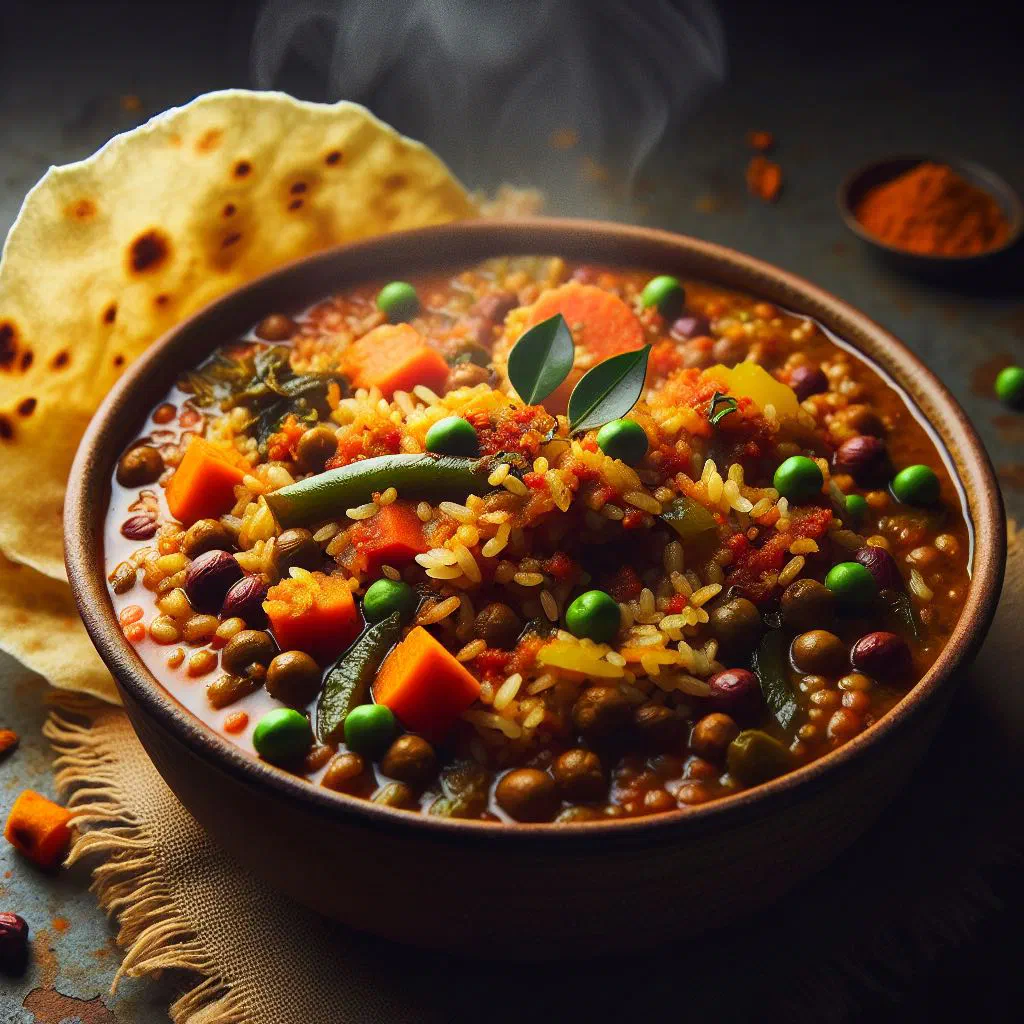
Say hello to Bisi Bele Bath, a wonderfully comforting rice-and-lentil dish from the south of India. Warm, savoury and packed with vegetables, it brings together fluffy rice, creamy toor dal and a fragrant house spice blend in one nourishing bowl. This Karnataka classic delivers deep, satisfying flavour every single time.
About Bisi Bele Bath
Bisi Bele Bath is a traditional rice dish from southern India that is as nourishing as it is delicious. It pairs aromatic rice with a generous helping of fresh vegetables and a special dal mixture, turning it into a complete, balanced meal in its own right. The real depth of flavour comes from a carefully judged blend of spices that play off one another beautifully. Served as a speedy lunch or as a celebratory dinner, Bisi Bele Bath never fails to win people over with its distinctive taste.
Ingredients (serves 1–2)
- 1 cup rice (ideally suited to bisi bele bath)
- 1/2 cup toor dal (split yellow pigeon peas)
- 1 cup mixed vegetables (e.g. carrots, peas, beans)
- 1 onion, diced
- 2 tsp bisi bele bath powder
- 2 tbsp ghee or vegetable oil
- 1 tsp mustard seeds
- 2–3 dried chillies
- Salt to taste
- Fresh coriander, to garnish
Shopping for the ingredients
To make an authentic bisi bele bath, it is worth sourcing your ingredients from a specialist Indian grocer or a well-stocked supermarket. The bisi bele bath powder in particular is often sold ready-made as a special spice blend, and it is what gives the dish its unmistakable character. Alternatively, online shops that specialise in Asian groceries are a reliable place to track down items such as toor dal or mustard seeds. Choosing seasonal vegetables boosts the nutritional value and lifts the overall flavour of the finished dish.
Preparing the dish
Before you start cooking bisi bele bath, it pays to get everything prepped so the process runs smoothly from start to finish. Rinse the rice and the toor dal thoroughly to wash away excess starch. The vegetables should be washed and cut into even pieces so they cook at the same rate. It also helps to have your spices measured out and ready, since they need to go in quickly to achieve the best possible flavour.
Step-by-step instructions
- Cook the toor dal in a pan with 3 cups of water until it is soft and has a porridge-like consistency.
- In a separate pan, heat the ghee or oil. Add the mustard seeds and dried chillies and wait until they begin to splutter.
- Add the diced onion and fry until golden brown.
- Stir in the prepared vegetables and the bisi bele bath powder, mix well and sauté for a few minutes.
- Add the cooked rice and dal to the vegetable mixture, combine everything thoroughly and season with salt.
- Add a little water if needed and let the whole dish simmer for a few minutes until everything is well combined and heated through.
- Garnish with fresh coriander and serve hot.
Gluten-free / lactose-free version
One of the great things about bisi bele bath is that it is naturally gluten-free and lactose-free. Simply swap the ghee for a plant-based oil to make it suitable for anyone with a dairy allergy. Do double-check that all the spices and ingredients you use are free from hidden gluten-containing products. With these few simple adjustments, every guest at the table can enjoy this delicious dish without a second thought.
Tips for vegans and vegetarians
For vegans, the key swap is to replace the ghee with a plant-based fat such as coconut or rapeseed oil. Beyond that, the dish is made entirely from plant ingredients, which makes it ideal for vegetarians too. To boost the nutritional content, you can fold in extra lentils or beans. Bisi bele bath is a brilliant base for creative variations, so feel free to adapt the recipe entirely to your own tastes, much like a hearty bowl of Ven Pongal.
More tips and tricks
There are plenty of ways to fine-tune your bisi bele bath. You might experiment with different vegetables depending on what is in season or what you have to hand. Adding nuts or dried fruit can enrich the dish further and introduce a new layer of flavour. It is also worth playing with the spices: if you like things hot, throw in some fresh green chillies or increase the amount of bisi bele bath powder. Using freshly ground spices will lift the taste and aroma considerably.
Adapting the recipe to your taste
Bisi bele bath is wonderfully versatile and easy to tailor to personal preference. Depending on what you enjoy, you can vary the amount of vegetables or adjust the spices to suit your palate. If you prefer a milder result, reduce the bisi bele bath powder and add more vegetables instead, while a little extra coriander brings welcome freshness and colour. Ultimately, the secret to a perfect bisi bele bath is finding the balance of flavours that you and your guests love best.
Ingredient substitutions
If some ingredients are not available, there are plenty of alternatives you can use without compromising the flavour of the dish. In place of toor dal, you can reach for other lentils such as masoor dal or chana dal, the same pulses that take centre stage in a comforting bowl of Masoor Dal. When it comes to the vegetables, the sky is the limit: broccoli, cauliflower or courgette all make tasty options. The spice blend can be adjusted too, with a simple curry powder or garam masala standing in nicely.
Drink pairing ideas
A range of drinks pairs beautifully with bisi bele bath and complements the dish’s bold flavours. A refreshing mango lassi or a sharp mint tea can be perfect for rounding off the warmth of the spices. If you prefer something simpler, plain water or an unsweetened tamarind juice helps to balance the fiery edge of the seasoning. Either way, these drinks offer both refreshment and the ideal accompaniment to every bowl of bisi bele bath.
Serving and presentation ideas
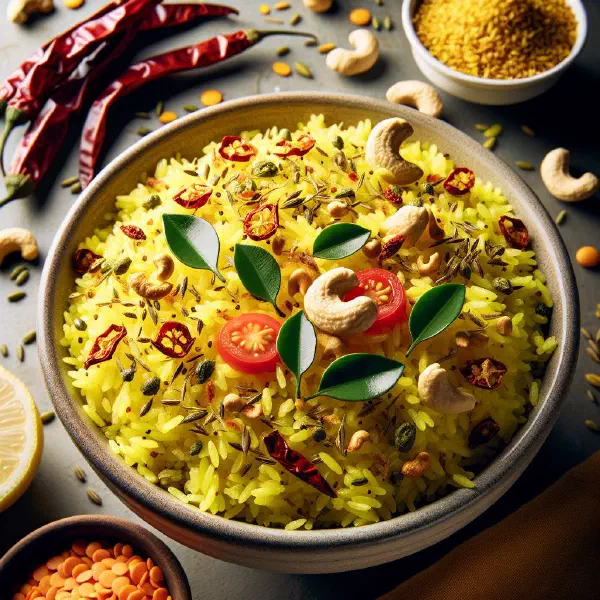
The presentation of bisi bele bath can be lifted considerably with a few simple touches. Serve the dish in traditional Indian bowls or on a colourful plate for an inviting look. A scattering of fresh coriander and perhaps a few cashews or almonds makes the dish more appealing to the eye. A squeeze of lemon juice just before serving brightens both the aroma and the appearance, turning a humble bowl into something of a feast.
A bit of history
Bisi bele bath has a history and hails from the state of Karnataka in India. The dish is part of the traditional South Indian kitchen and has been prepared for centuries. Originally prized by farmers as a nourishing meal during the harvest season, bisi bele bath has grown into a much-loved dish served at festivals and special occasions. This culinary gem brings joy through its taste and the cultural traditions of Indian cuisine to the table.
More recipe ideas
Summary: Bisi Bele Bath
In short, Bisi Bele Bath is a hearty, nourishing dish that brings together the best flavours of South Indian cooking. With its blend of rice, dal and fresh vegetables, it offers a delicious taste and plenty of nutritional benefits. Bisi bele bath is a dish that can enrich any kitchen. Give it a go and bring a little piece of India to your table.