National Dish India: Egg Curry (Recipe)
In this article
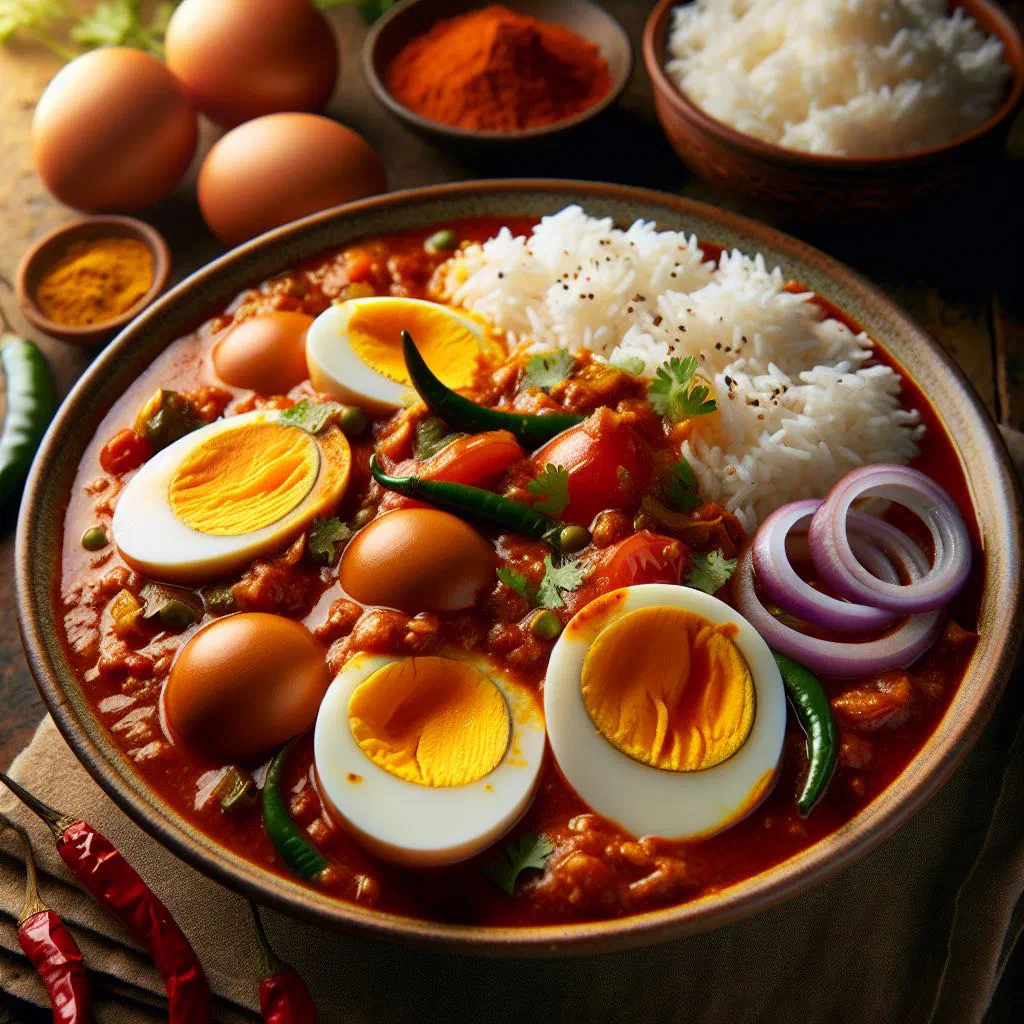
Discover the wonderful Egg Curry, a comforting Indian classic that brings the warmth of the subcontinent straight to your table. Tender hard-boiled eggs are set into a creamy tomato-and-onion sauce, gently spiced with cumin, garam masala and turmeric. Served with fluffy basmati rice or warm naan, it is a dish that appeals to young and old alike, and a lovely first step into the rich world of Indian home cooking.
About Egg Curry
Egg Curry is a much-loved Indian dish, prized for its hearty flavours and its smooth, creamy texture. It pairs hard-boiled eggs with a delicate tomato-and-onion sauce that is rounded out with a generous mix of spices. The dish is perfect for sharing a meal with friends and family, bringing the authentic aromas of Indian cooking to the table. The marriage of egg and a rich, fragrant sauce makes it an ideal introduction for anyone trying Indian food for the very first time.
Ingredients (serves 1–2)
- 4 hard-boiled eggs
- 2 medium onions, finely chopped
- 2 ripe tomatoes, puréed
- 2–3 tablespoons coconut oil or ghee
- 1 teaspoon cumin seeds
- 1 teaspoon garam masala
- 1 teaspoon turmeric
- 1 teaspoon chilli powder (optional)
- Salt to taste
- Fresh coriander, to garnish
Shopping for the ingredients
To make Egg Curry you will need a handful of ingredients that are often available in Indian grocers or well-stocked supermarkets. Pay particular attention to the freshness of your spices, as they have a decisive influence on the flavour of the finished dish. Choose your tomatoes ripe and fresh, too, to get the very best from the sauce. If you have a little time to spare, seek out locally produced eggs, which offer an especially good flavour. The same care over fresh produce pays dividends in a Masoor Dal.
Preparing the dish
Preparing Egg Curry is simple and straightforward. First, boil the eggs until hard, which usually takes around 10–12 minutes. While the eggs cook, you can get on with chopping the onions and puréeing the tomatoes. It helps to have all your ingredients ready before you start cooking, so the whole process runs smoothly from start to finish.
Step-by-step instructions
- Heat the oil in a pan and add the cumin seeds, frying until they begin to crackle.
- Add the chopped onions and sauté until golden brown.
- Stir in the puréed tomato and all the spices (garam masala, turmeric, chilli powder and salt), mixing well.
- Halve the hard-boiled eggs and lower them gently into the sauce. Simmer for a few minutes so the eggs soak up the flavour.
- Garnish with fresh coriander and serve immediately.
Gluten-free / lactose-free version
Egg Curry is naturally gluten-free and lactose-free, since its main ingredients are simply eggs and vegetables. Just take care to use a suitable fat such as coconut oil or ghee, both of which are free from gluten. Altogether this makes the dish an excellent choice for anyone with particular dietary needs. It can be enjoyed without a second thought, much like a wholesome bowl of Rajma.
Tips for vegans and vegetarians
For vegans, a version of Egg Curry can be made by swapping the eggs for tofu. Tofu absorbs the flavours of the sauce beautifully and provides a good source of protein. You could also use a plant-based “egg” made from various vegetable ingredients. The dish is just as suitable for vegetarians, since even in its classic egg form it offers a nourishing and satisfying option.
More tips and tricks
For the best results when cooking Egg Curry, make sure your spices are fresh. Take care to brown the onions well, drawing out a gentle sweetness. It is also worth garnishing the dish with fresh coriander or a sprinkle of nigella seeds for an extra layer of flavour. For a hotter version, simply add a few fresh chillies to the sauce.
Adapting the recipe to your taste
Egg Curry is wonderfully easy to tailor to personal preference. You can vary the quantity of spices to make the dish milder or hotter to suit your palate. The amount of tomato can be adjusted too, for a thicker or thinner sauce. Be creative and experiment with extra additions such as spinach or peppers, much the way the rich gravy of a Paneer Butter Masala can be made your own.
Ingredient substitutions
If you do not have a particular ingredient to hand, there are plenty of alternatives. In place of ghee you can use olive oil, while fresh tomatoes can be swapped for tomato concentrate or passata when time is short. For the garnish, different fresh herbs or even crispy fried onions work nicely to add extra aroma.
Drink pairing ideas
A range of drinks pairs beautifully with a delicious Egg Curry. A refreshing mango lassi is a popular choice, offering a sweet counterpoint to the spice of the dish. Simple water with lemon slices, or a light, bitter craft beer, also work well. For those who like something a little more refined, a spicy red wine can make an intriguing match.
Serving and presentation ideas
For an appealing presentation, serve your Egg Curry in an attractive bowl and garnish generously with fresh coriander. Round it out with warm naan breads or fragrant basmati rice. A few lime wedges are a lovely addition too, letting guests squeeze a little over the curry as they please.
A bit of history
Egg Curry has a long history in Indian cooking and is prepared in countless regional variations. Eggs are an important source of protein in the Indian diet, and their pairing with spices makes them especially tasty. Historically, the dish grew out of the creative use of local ingredients and spices available across India’s different regions. This variety reflects the history and cultural influences of India, all of which come alive in its cuisine, explore more in our guide to Indian cuisine.
More recipe ideas
Summary: Egg Curry
All in all, Egg Curry is a delicious and easy-to-make recipe that captures the variety and aromas of Indian cooking. With its creamy tomato sauce and hearty eggs, it is a wonderful choice for any shared meal. Thanks to its many adaptations, it can be matched to individual tastes, maximising the pleasure of both making and eating it. Give this dish a try and discover the magic of Indian cuisine in your own home.