National Dish India: Hyderabadi Haleem (Recipe)

In this article
Meet Hyderabadi Haleem, a deeply comforting classic from the heart of India. This slow-cooked dish brings together tender meat, hearty pulses and a fragrant medley of spices into a rich, satisfying stew. Traditionally enjoyed during Ramadan and at festive gatherings, it rewards a little patience with layers of warming flavour. Set aside an afternoon, let the pot do its work, and treat your table to something truly special.
About Hyderabadi Haleem
Hyderabadi Haleem is a hearty and traditional dish that traces its origins to the Indian city of Hyderabad. It is distinguished by its satisfying texture and its rich, layered flavours, which come from a careful combination of tender meat, pulses and an array of spices. Haleem is often served during Ramadan and is counted among the most cherished festive dishes in Indian cuisine.
Ingredients (serves 1–2)
- 200 g wheat or barley
- 300 g tender meat (lamb or chicken)
- 100 g red lentils
- 1 large onion, finely chopped
- 1 tsp garlic and ginger paste
- 2–3 green chillies, chopped
- 1 tsp cumin
- 1 tsp garam masala
- Salt to taste
- Fresh coriander, to garnish
- Oil or ghee for frying
Shopping for the ingredients
The first step towards making Hyderabadi Haleem is shopping for the ingredients. Many of the items you need, such as the pulses and spices, can be found in larger supermarkets or in specialist Indian grocery shops. Be sure to choose fresh meat, as this has a real impact on the flavour of the finished dish. It can also be worth buying the spices in larger quantities, since they are used so often in Indian cooking and keep well for a long time.
Preparing the dish
Before you start cooking Hyderabadi Haleem, there are a few preparations worth getting out of the way. First, the pulses and the wheat need to be soaked overnight to soften them. This shortens the cooking time and gives the finished dish a better texture. You should also cut the meat into small pieces and finely chop the onions. These steps are key to even cooking and to drawing out the full flavour of the dish.
Step-by-step instructions
- Heat a little oil or ghee in a large pot and fry the onions until golden brown.
- Add the garlic and ginger paste along with the green chillies and fry briefly.
- Add the meat to the pot and brown it lightly.
- Stir in the soaked pulses, the wheat, the cumin and the salt, mixing everything together well.
- Pour in enough water to cover all the ingredients and bring to the boil.
- Reduce the heat and let everything simmer for at least 2 to 3 hours, until soft and creamy.
- Finally, add the garam masala and fresh coriander, stir well and leave on the hob for a further 10 minutes.
Gluten-free / lactose-free version
For a gluten-free version of Hyderabadi Haleem, you can replace the wheat with gluten-free alternatives such as quinoa or gluten-free oats. Make sure that all the other ingredients, especially the spices, are gluten-free too. Using ghee also helps keep the dish lactose-free while still bringing a wonderfully aromatic flavour. These adjustments make haleem a dish that suits a wide range of dietary needs.
Tips for vegans and vegetarians
Hyderabadi Haleem also lends itself beautifully to a vegan or vegetarian version. Instead of meat, you can use a combination of different vegetables or firm soya protein to achieve a similar texture. Swap the stock for vegetable stock and make sure that every ingredient is plant-based. With a good variety of vegetables and spices, you can create a dish that is just as aromatic and satisfying.
More tips and tricks
To get the most out of Hyderabadi Haleem, there are a few tips and tricks worth keeping in mind. Make the dish in advance and let it rest overnight so the flavours have time to develop. Served the next day, it can taste even better. It is also important to stir the haleem regularly as it cooks, to prevent it from catching and to keep the texture smooth and even.
Adapting the recipe to your taste
Hyderabadi Haleem is wonderfully adaptable and easy to tailor to individual tastes. Add more spices to make it spicier, or experiment with different cuts of meat to discover new flavour combinations. You can also adjust the ratio of pulses to water to achieve exactly the consistency you want.
Ingredient substitutions
If some of the ingredients for Hyderabadi Haleem are hard to find, there are plenty of alternatives. The meat called for can be replaced with fish (try a fragrant Fish Curry for inspiration) or other protein-rich foods, for example. Yellow lentils can be used in place of red lentils, and they cook a little more quickly. Remember that many of the spices are interchangeable too, so you can try out different blends to create new flavours.
Drink pairing ideas
To round off the experience of Hyderabadi Haleem, a few drink suggestions come in handy. A refreshing mint lemonade or a yoghurt drink can wonderfully temper the heat of the dish and complement its flavours. Aromatic teas or Indian lassis make perfect partners for haleem too, adding to the culinary tradition of the meal. Experiment with different drinks to find the best match for your taste.
Serving and presentation ideas
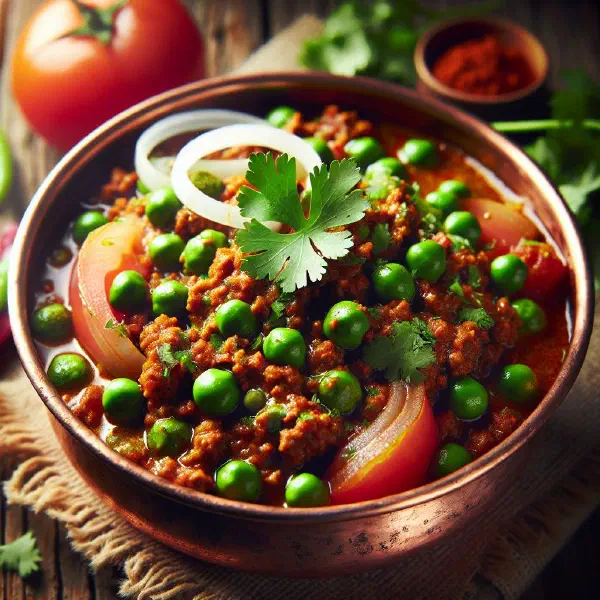
The presentation of Hyderabadi Haleem can make all the difference when it comes to whetting your guests’ appetite. Serve the dish in attractive bowls and garnish it with fresh coriander and a scattering of onions. A small dish of lemon wedges can be offered alongside, giving guests the chance to season their portion to their own taste. A thoughtful presentation like this makes the meal all the more festive and inviting.
A bit of history
Hyderabadi Haleem has a fascinating history that stretches back centuries. The dish is thought to have grown popular during the era of the Mughals in India and to have been influenced by Afghan cuisine. Originally, haleem was developed as a nourishing meal for soldiers on long journeys who needed a good source of energy. Over time the recipe evolved, and today it is a firm fixture of Indian festive feasts, especially during Ramadan, alongside celebratory dishes such as Vegetable Biryani.
More recipe ideas
- Thalassery Biryani – another much-loved layered rice dish, fragrant with spices.
- Rajma – a hearty kidney bean curry served with fluffy rice or breads.
- Jackfruit Curry – a rich, plant-based curry that goes beautifully with rice.
Summary: Hyderabadi Haleem
Hyderabadi Haleem is a hearty and traditional dish, treasured during Ramadan and at festive occasions. The combination of tender meat, pulses and spices creates a unique taste experience enjoyed in every region of India. With its many possibilities for adaptation and its helpful tips, anyone can discover the delicious world of haleem in their own kitchen. Let this dish enchant you and turn your next meal into a memorable experience.