National Dish India: Khandvi (Recipe)
In this article
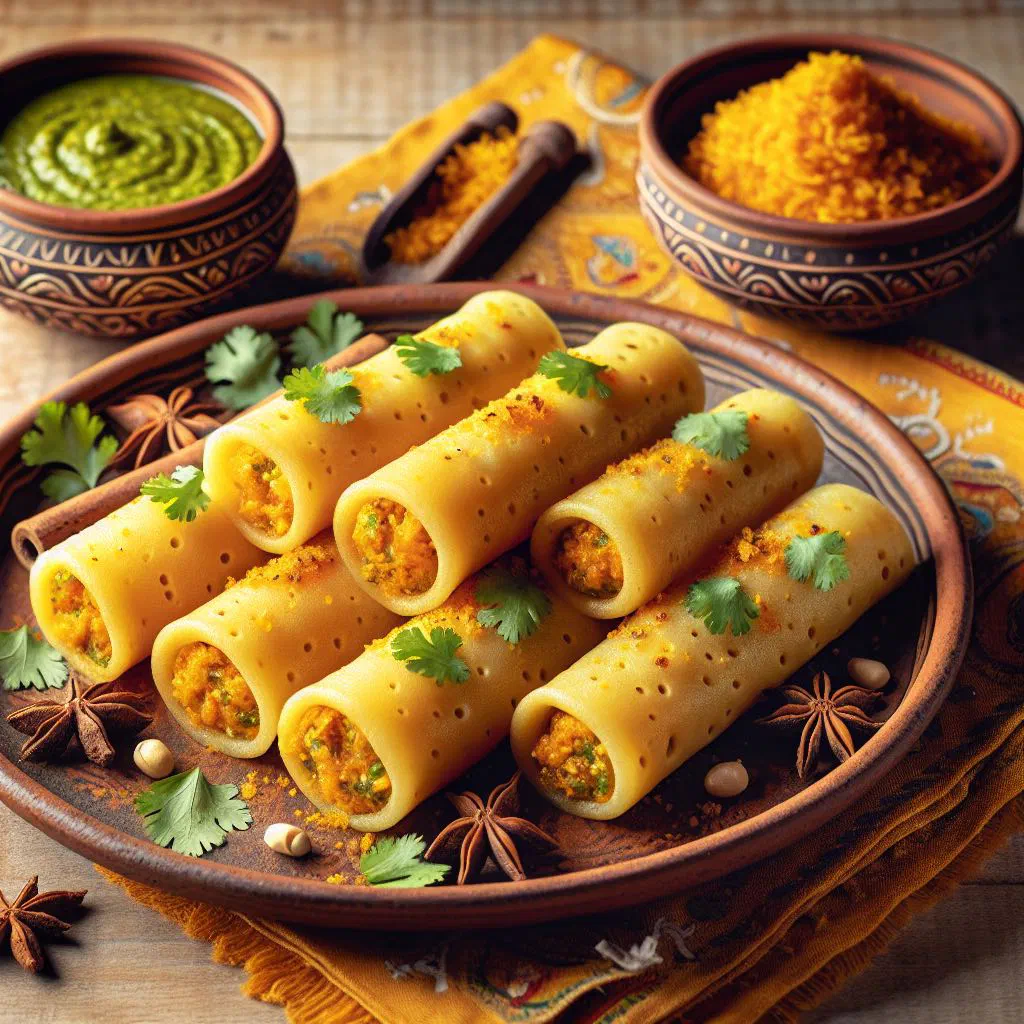
Discover Khandvi, a much-loved Indian speciality made from gram flour. These delicate, gently spiced little rolls have a wonderfully soft texture and a flavour all their own. Topped with an aromatic coriander-coconut sauce and a scattering of crunchy peanuts, they make a light, protein-rich snack or starter. Bring a true highlight of Indian cooking to your own table.
About Khandvi
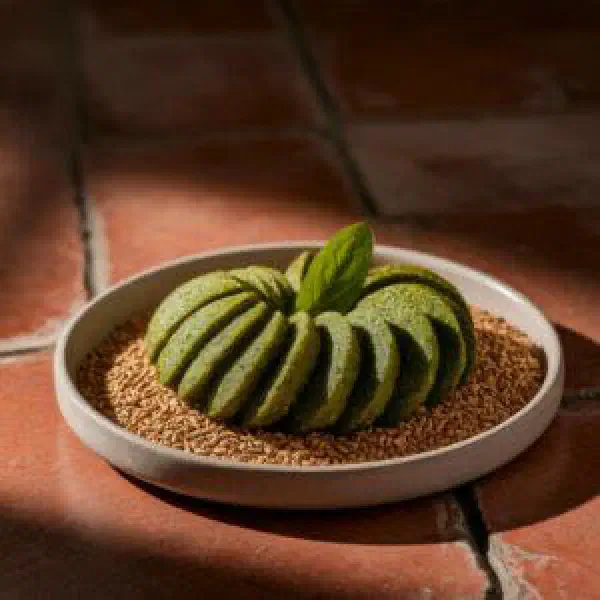
Khandvi is a traditional Indian speciality that is especially popular in the Gujarat region. These delicate, gently spiced rolls are made from gram flour and win you over with their soft texture and distinctive flavour. They are usually served as a snack or starter and are delicious and wholesome, being rich in protein and other nutrients. The combination of an aromatic coriander-coconut sauce and a crunchy garnish makes khandvi an absolute highlight of Indian cuisine. If you enjoy the herby, gram-flour character of these rolls, you may also like Kothimbir Vadi, another savoury coriander snack.
Ingredients (serves 1–2)
- 1 cup gram (chickpea) flour
- 2 cups water
- 1 teaspoon turmeric
- 1/2 teaspoon salt
- 1 teaspoon mustard seeds
- 2–3 tablespoons peanuts (roasted and roughly chopped)
- Fresh coriander, to garnish
- For the sauce: 1/2 cup desiccated coconut and 1/2 cup coriander
Shopping for the ingredients
When shopping for the ingredients for khandvi, it is worth paying attention to the quality of what you buy. You will find gram flour in most Asian grocery shops or in a health-food store. Be sure to choose fresh coriander, as it has a big influence on the aroma. Good-quality peanuts can also be bought ready-roasted to cut down on the preparation time.
Preparing the dish
Preparing khandvi is straightforward, but it does call for a little care. First, mix the gram flour, water, turmeric and salt together thoroughly to avoid any lumps. This mixture is then cooked over a medium heat, stirring constantly, until it reaches a smooth consistency. After that, spread the mixture out evenly over a smooth surface and leave it to cool, so that the rolls are easy to shape.
Step-by-step instructions
- Mix the gram flour thoroughly with the water, turmeric and salt.
- Cook the mixture over a medium heat, stirring constantly, until it thickens.
- Spread the mixture out evenly over a flat surface (a baking tray, for example) and leave it to cool.
- Once cooled, cut the set sheets into small strips.
- Carefully roll up the strips and arrange them on a plate.
- For the garnish, fry the mustard seeds in oil and scatter them over the khandvi.
- Spoon the coriander-coconut sauce on top and garnish with peanuts and fresh coriander.
Gluten-free / lactose-free version
Khandvi is easily made gluten-free, since gram flour contains no gluten. For a lactose-free version, just make sure the coriander-coconut sauce is prepared without any dairy. Using coconut and fresh herbs brings flavour and a healthy alternative. This makes the dish ideal for anyone with food intolerances.
Tips for vegans and vegetarians
Khandvi is an ideal choice for vegans and vegetarians, as every ingredient is plant-based and shows off the variety of Indian cuisine. For more meat-free legume cooking, the comforting Masoor Dal makes a lovely companion dish. You can adapt the filling to your liking by adding extra vegetables or different spices. Take care to use vegan peanuts that have been processed without animal products. This keeps the dish tasty and full of nutrients.
More tips and tricks
A little trick for an especially flavourful khandvi is to enrich the mixture with fresh herbs such as dill or mint before spreading it out. You can also cover the set sheets lightly with a damp cloth after cooling to keep them moist while you roll them up. Experiment with the spices to hit your own personal taste. Depending on how hot you like it, you can also add a little chilli powder.
Adapting the recipe to your taste
Khandvi can be adapted in all sorts of ways. Add spinach or carrots, for instance, for an extra nutritional boost. The spices can be varied entirely to your taste, too; be bold and experiment with more turmeric or other Indian spices. The dish can equally be served as a vegetarian main course by offering a larger portion or rounding it out with a side dish.
Ingredient substitutions
If gram flour is not available, you can also use red lentil flour, which gives a similar consistency. If you do not like peanuts, roasted sunflower seeds make an excellent alternative; for a similar nutty crunch you might try the cashew-based sweet Kaju Katli. Be sure these ingredients are unsalted too, so the dish does not become over-seasoned. You can likewise swap the coriander-coconut sauce for a tomato sauce to create a completely new flavour.
Drink pairing ideas
Refreshing drinks go particularly well with khandvi. A mild, gently spiced mango lassi complements the flavours of the dish beautifully. A freshly pressed lemon-mint tea or sparkling water with a squeeze of lime will please the palate too. For a little more fizz, an Indian beer or a fruity sangria is a fine choice.
Serving and presentation ideas
The presentation of khandvi can be brightened up by using colourful plates and fresh herbs. Arranging it on a handsome wooden board with a selection of different dips makes the dish even more appealing. Use small bowls for the sauces to give the meal a festive touch. The colours and textures make the food delicious and a feast for the eyes.
A bit of history
Khandvi has its roots in Indian cuisine and is known for its refined methods of preparation. In the Gujarat region in particular, this dish is served on festive occasions, much like the regional snack Thalipeeth. It is an example of the art of cooking that is passed down from generation to generation and reflects the whole cultural understanding of Indian cuisine. The preparation calls for skill and experience, which makes khandvi one of the most prized dishes in Indian households.
More recipe ideas
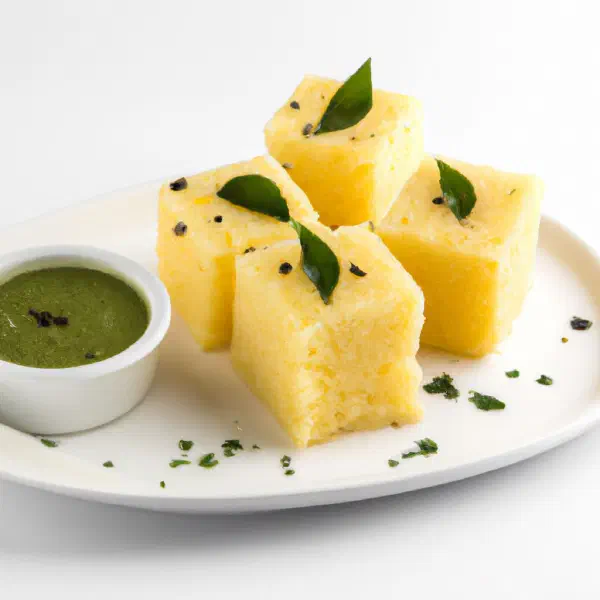
- Dhokla – a fluffy, steamed snack made from gram flour
- Pakoras – vegetables deep-fried in gram flour batter
- Bhel Puri – a crunchy snack with puffed rice and vegetables
- Paneer Tikka – spiced, grilled cheese with fresh herbs
- Chole Bhature – a hearty dish of chickpeas with fluffy breads
- Sundal – a light, protein-rich legume snack with coconut
- Pav Bhaji – a spiced vegetable mash served with soft bread rolls
- Paneer Butter Masala – a rich, creamy curry of grilled cheese
Summary: Khandvi
Khandvi is a delicious Indian snack that wins you over with its flavour and with its lightness. With easy-to-source ingredients and a fuss-free method, it is a dish that appeals to cooks and food lovers alike. Whether as a starter or as something to share at a celebration, khandvi is a truly enjoyable experience that represents the variety of Indian cuisine. Surprise your guests with this tasty snack and let yourself be charmed by its delicious flavours.