National Dish India: Korma (Recipe)
In this article
Say hello to Korma, one of the great jewels of India’s royal kitchens. This dish is all about a rich, velvety sauce built from yogurt, ground almonds and a fragrant medley of warming spices that wrap themselves around tender meat or vegetables. Gentle rather than fiery, korma is the kind of comforting, aromatic curry that feels equally at home at a celebration table or a cosy evening in. Bring a taste of Mughlai grandeur straight to your own kitchen.
About Korma
Korma is a traditional Indian dish celebrated for its rich and creamy sauce. It has its origins in Mughlai cuisine and stands out thanks to the pairing of tender meat or vegetables with a wide array of spices. The key ingredients, yogurt, ground almonds and aromatic seasonings, come together for a beautifully harmonious flavour. Making korma is more than a cooking task; it is a cultural experience that reflects the variety and depth of Indian cooking, and it has more than earned its place among the classics of Indian cuisine.
Ingredients (serves 1–2)
- 250 g chicken breast or vegetables of your choice
- 1 onion, finely chopped
- 150 g yogurt
- 50 g ground almonds
- 2 garlic cloves, crushed
- 1 teaspoon grated ginger
- 1 teaspoon garam masala
- 1 teaspoon cumin
- Salt and pepper to taste
- 2 tablespoons oil or ghee
- Fresh coriander leaves, to garnish
Shopping for the ingredients
Many of the ingredients you need for korma are easy to find in Asian grocery shops or well-stocked supermarkets. Try to choose fresh spices, as they have a big impact on the flavour of the finished dish. In particular, the garam masala is best freshly ground so that its aromatic notes really shine. When it comes to the meat or vegetables, look for good-quality produce to make the dish even more delicious.
Preparing the dish
Preparing korma begins with cutting the meat or vegetables into even pieces so they cook through uniformly. Once that is done, slice the onion into fine rings and crush the garlic and ginger. This base will strongly shape the flavour of the dish, so handle it with care. Have the yogurt and ground almonds ready to hand too, so they can be added easily later on.
Step-by-step instructions
- Heat the oil or ghee in a deep pan and add the chopped onions. Fry until golden brown.
- Add the garlic and ginger and cook for about 1 minute.
- Add the meat or vegetables and brown lightly.
- Reduce the heat and stir in the yogurt slowly, stirring constantly to prevent it from curdling.
- Stir in the ground almonds along with the spices — cumin and garam masala — and let everything simmer for about 20 minutes.
- Season the korma with salt and pepper and leave it on a low heat for a further 5 minutes.
- Garnish with fresh coriander leaves and serve.
Gluten-free / lactose-free version
To make korma gluten-free, make sure that all the spices and ingredients you use are free from gluten. This applies especially to the yogurt. There are plenty of lactose-free alternatives you can reach for. The dish can also be made very easily with coconut milk or another plant-based milk in place of yogurt, making it suitable for anyone who is lactose intolerant. The consistency may vary slightly, but the result will be every bit as tasty.
Tips for vegans and vegetarians
For a vegan version of korma, you can replace the meat entirely with a good-quality plant-based protein such as tofu or seitan. Instead of yogurt, use plant-based alternatives like soy or coconut yogurt, which offer a similar creaminess. Take care to keep your spice blend free of any animal products. These swaps preserve the dish’s signature flavour while giving vegans and vegetarians a delicious and nourishing option, much like a hearty Paneer Butter Masala.
More tips and tricks
To deepen the flavour of your korma, let the finished dish rest for a few minutes so the aromas can develop fully. Feel free to experiment with different spices to find the balance that suits your palate. Adding dried fruit such as raisins or apricots can lend an interesting touch of sweetness, too. Fresh herbs like coriander or mint make a lovely extra garnish and bring a brighter, fresher note to the plate.
Adapting the recipe to your taste
Korma is a wonderfully versatile dish that is easy to tailor to personal preference. You can adjust the quantities of the spices to taste, or even fold in extra ingredients such as vegetables or fruit. A common example is adding carrots or peas, which give the dish more colour and texture. Feel free to let your creativity loose in the kitchen and create your very own version of korma.
Ingredient substitutions
If certain ingredients are unavailable, there are plenty of alternatives. If you do not have almonds, ground cashews or even sunflower seeds make a good choice. In place of yogurt, you could use a plant-based cream or coconut milk to achieve the creaminess you are after, the same silky richness that defines a Prawn Malai Curry. Choosing the right substitutes can help you adapt the dish to local preferences or availability while keeping that delicious aroma intact.
Drink pairing ideas
Korma pairs beautifully with a range of drinks that round off its gently spiced flavour. A chilled Indian beer such as Kingfisher, or a light white wine, would both be a lovely choice. For those who prefer something non-alcoholic, a refreshing mint water or a cooling lassi makes an excellent companion. These drinks harmonise perfectly with the warmth and aromas of korma, turning the meal into a memorable occasion.
Serving and presentation ideas
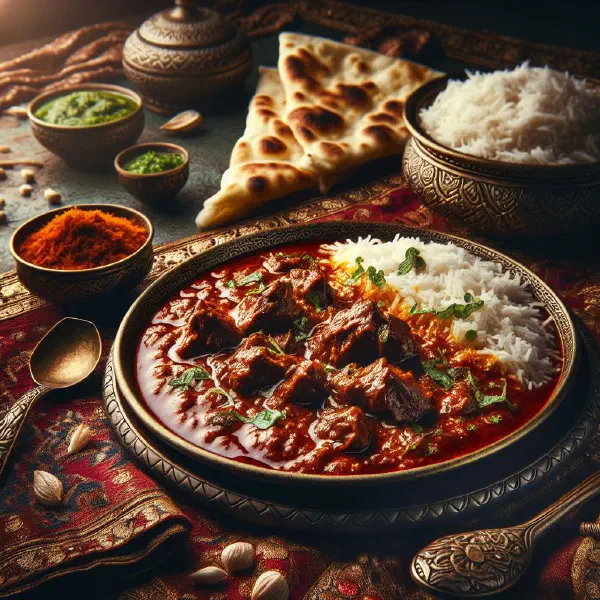
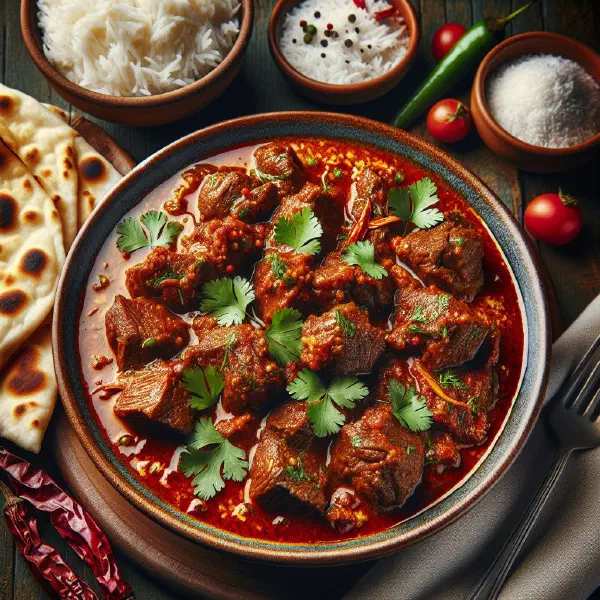
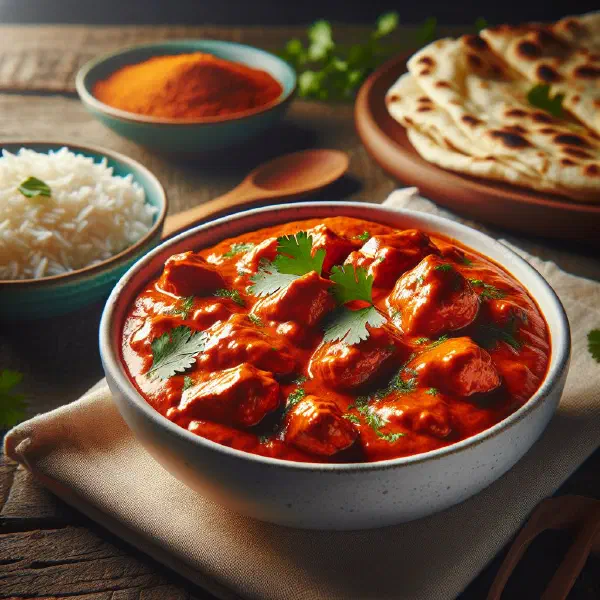
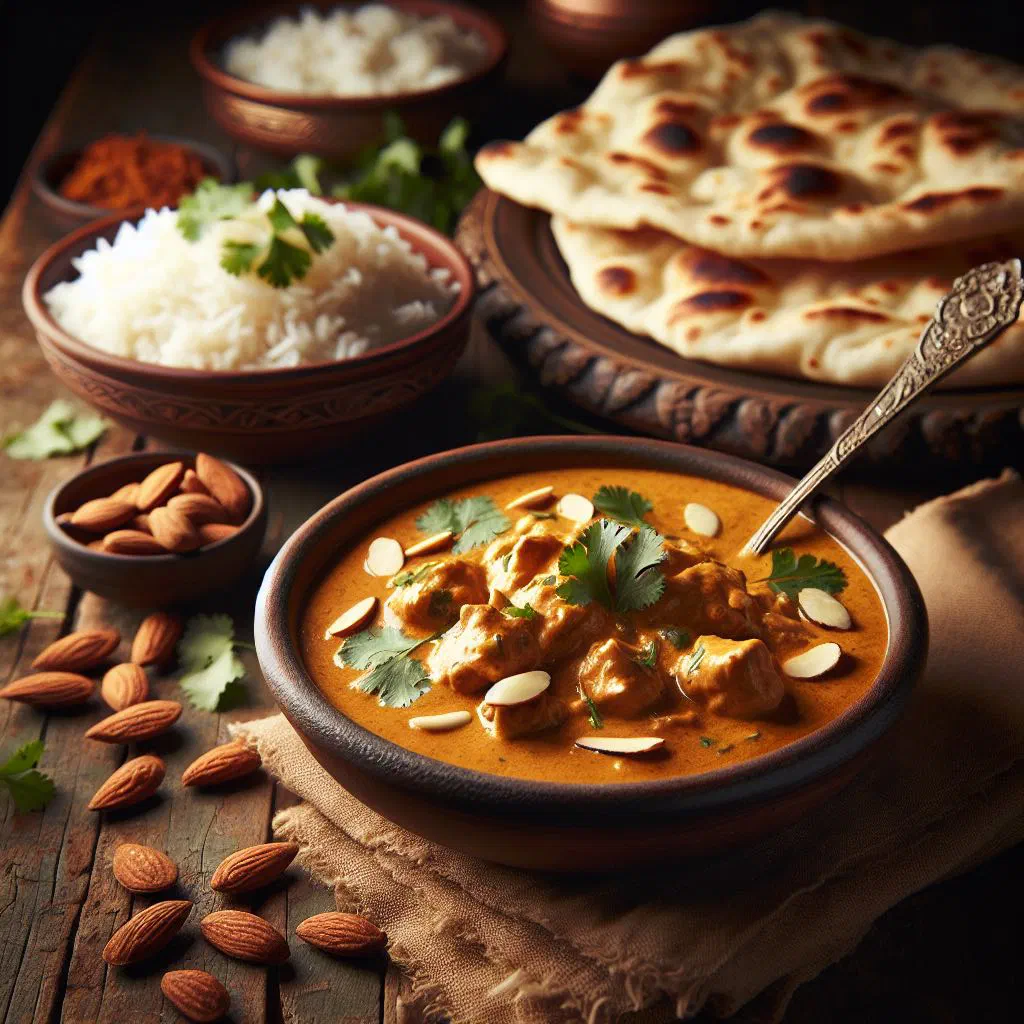
Presentation matters. It appeals to the senses before the first mouthful is even taken. Serve your korma in a beautiful bowl, garnished with fresh coriander leaves and a squeeze of lime for extra freshness. A scattering of almonds over the top adds an attractive finishing touch. Sides such as warm naan or fragrant basmati rice can be served in separate, eye-catching dishes to complete the whole spread, as can a fresh Tamatar Chutney.
A bit of history
Korma has its origins in India’s Mughlai cuisine, renowned for its refined and elaborate recipes. Historically it was prepared in royal kitchens, where the cooking often called for special ingredients and spices and took a good deal of time. The word korma means “to braise” in Persian, a nod to the way the dish is cooked. Today korma is a much-loved fixture in Indian restaurants and is enjoyed by people all over the world.
More recipe ideas
Summary: Korma
Korma is a culinary highlight of Indian cooking that enchants every palate with its creamy sauce and tender ingredients. The dish is easy to adapt to personal taste and offers endless possibilities for different flavours. Whether for a festive dinner or simply a comforting meal, korma is an ideal way to explore the variety and aromas of India. Experiment with the ingredients and savour the wonderful taste experience that korma has to offer.